

Secrets Of Vermont’s Victory Bog Plant Communities
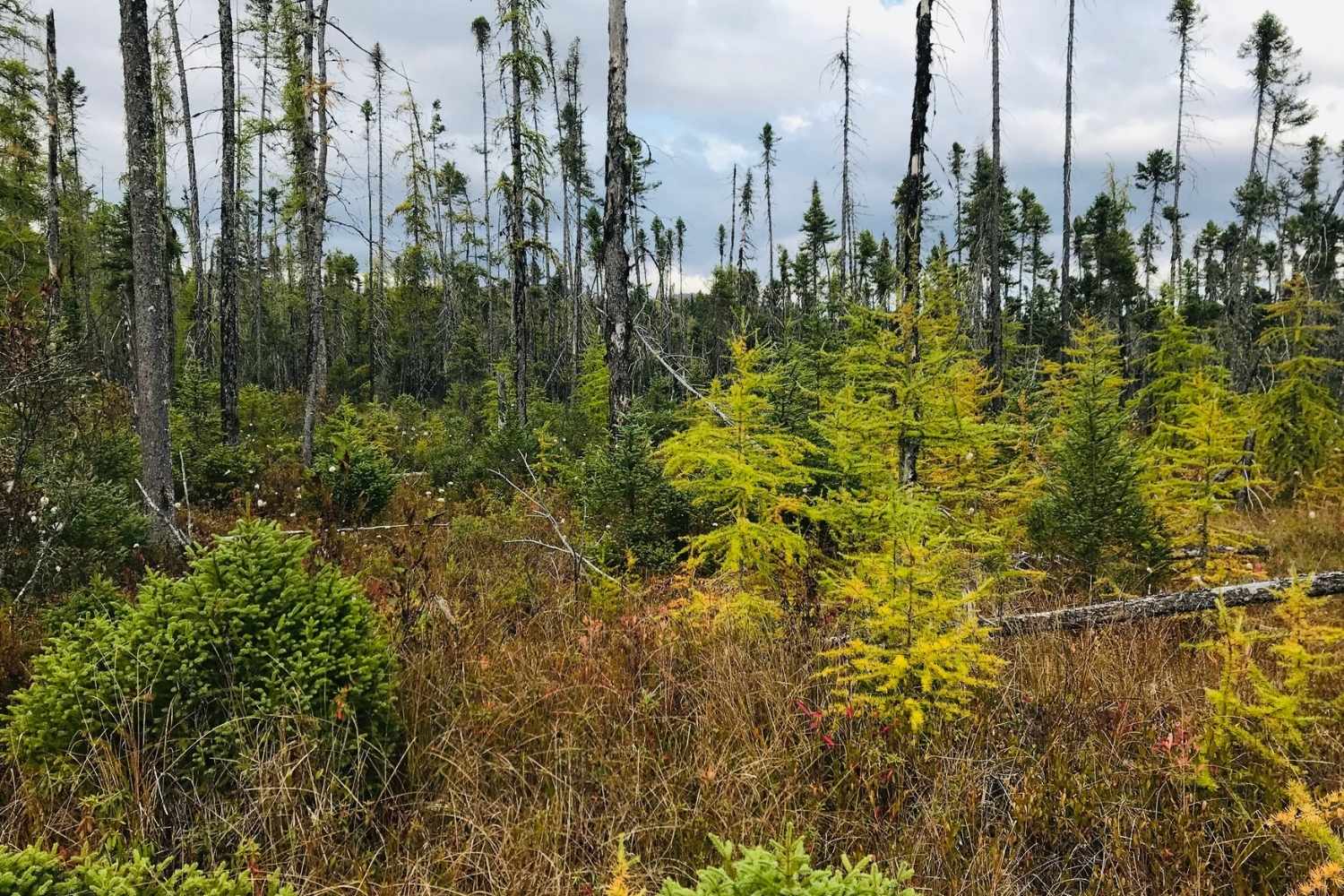
Have you ever wondered what makes Vermont's Victory Bog plant communities so special? This unique ecosystem, located in the Northeast Kingdom, is a hidden gem for nature lovers. Victory Bog is home to a variety of plants that thrive in its wet, acidic environment. From the vibrant pitcher plants to the delicate sundews, these species have adapted to survive in challenging conditions. Exploring Victory Bog offers a chance to see these fascinating plants up close and learn about their role in the ecosystem. Whether you're a botany enthusiast or just love the outdoors, Victory Bog is a must-visit destination.
Secrets of Vermont's Victory Bog Plant Communities
Victory Bog in Vermont is a hidden gem for nature enthusiasts. This unique ecosystem is home to a variety of plant communities that thrive in its wet, acidic environment. Let's uncover some of the most fascinating plant species you can find in this bog.
Carnivorous Plants
Victory Bog is a haven for carnivorous plants. These plants have adapted to the nutrient-poor soil by developing unique ways to capture and digest insects.
- Pitcher Plants: These plants have modified leaves that form a deep cavity filled with digestive enzymes. Insects are lured in by nectar and trapped inside.
- Sundews: Tiny tentacles on their leaves secrete a sticky substance that traps insects. Once caught, the leaf slowly curls around the prey to digest it.
- Bladderworts: Aquatic carnivorous plants that use small bladder-like traps to capture tiny aquatic organisms.
Sphagnum Moss
Sphagnum moss plays a crucial role in the bog's ecosystem. It creates the acidic conditions that many bog plants need to survive.
- Sphagnum Moss: This moss can hold large amounts of water, making the bog spongy and wet. It also releases acids that help maintain the bog's unique environment.
Bog Shrubs
Several shrub species thrive in the acidic, waterlogged conditions of Victory Bog. These shrubs provide shelter and food for various wildlife.
- Leatherleaf: This evergreen shrub has leathery leaves and small white flowers. It forms dense thickets that are perfect for nesting birds.
- Bog Rosemary: Despite its name, this plant is not related to culinary rosemary. It has narrow, blue-green leaves and delicate pink flowers.
- Labrador Tea: Known for its aromatic leaves, this shrub has been used traditionally to make herbal tea. Its white flowers bloom in clusters.
Orchids and Wildflowers
Victory Bog is also home to a variety of orchids and wildflowers that add splashes of color to the landscape.
- Grass Pink Orchid: This striking orchid has bright pink flowers that bloom in late spring. It grows in the wettest parts of the bog.
- Rose Pogonia: Another beautiful orchid, it has pale pink flowers with a fringed lip. It blooms in early summer.
- Bog Laurel: This wildflower has vibrant pink flowers that bloom in clusters. It thrives in the acidic soil of the bog.
Ferns and Sedges
Ferns and sedges are common in Victory Bog, adding to the diversity of plant life.
- Royal Fern: This large fern has broad, feathery fronds. It prefers the wet, shaded areas of the bog.
- Tussock Sedge: Forming dense clumps, this sedge provides important habitat for small animals and insects.
- Cinnamon Fern: Named for its cinnamon-colored spore-bearing fronds, this fern adds a unique texture to the bog landscape.
Victory Bog's plant communities are a testament to the adaptability and diversity of nature. Each species plays a vital role in maintaining the delicate balance of this unique ecosystem.
Vermont's Victory Bog: A Natural Wonder
Victory Bog in Vermont is a treasure for nature lovers. Its unique plant communities, like the pitcher plants and sundews, offer a glimpse into a rare ecosystem. Walking through the bog, you can see how these plants have adapted to their environment. The sphagnum moss creates a soft, spongy carpet underfoot, while the black spruce and tamarack trees add to the landscape's beauty.
Visiting Victory Bog isn't just about seeing plants; it's about experiencing a living, breathing ecosystem. The bog's plants play a crucial role in maintaining the area's biodiversity. They provide habitats for various insects, birds, and other wildlife.
Next time you're in Vermont, take a trip to Victory Bog. You'll leave with a deeper appreciation for nature's wonders and the delicate balance that keeps these unique plant communities thriving.
