

Secrets Of Vermont’s Stone-Built Root Cellars
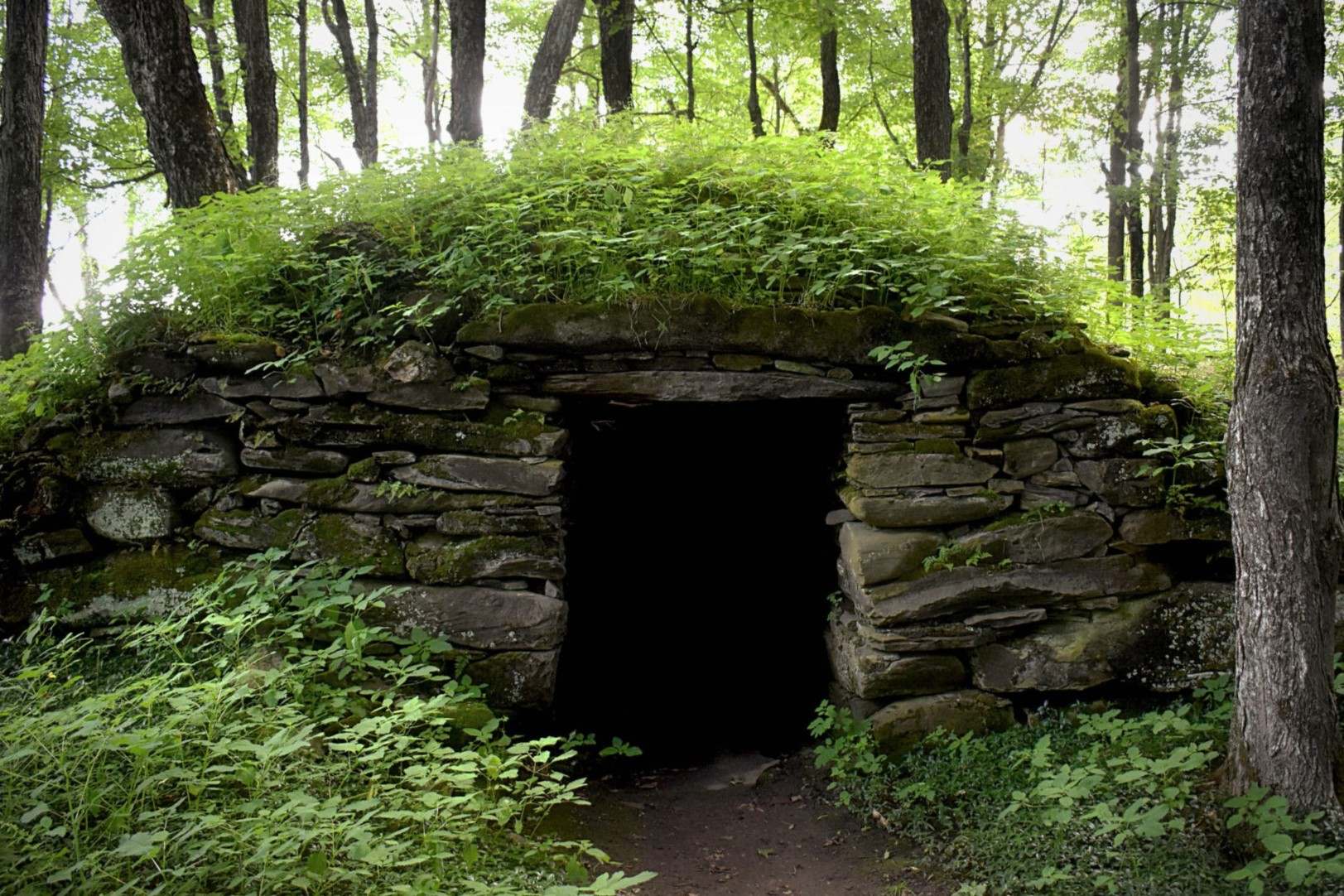
Have you ever wondered about the secrets hidden in Vermont's stone-built root cellars? These fascinating structures have been part of New England's landscape for centuries. Built by early settlers, they were essential for preserving food through harsh winters. Root cellars are cool, dark, and humid, making them perfect for storing vegetables, fruits, and even dairy products. Many of these cellars still stand today, a testament to the ingenuity and resourcefulness of those who built them. Exploring these historical gems offers a glimpse into the past and a deeper appreciation for traditional methods of food preservation. Let's uncover the charm and history of Vermont's stone-built root cellars.
Secrets of Vermont's Stone-Built Root Cellars
Vermont's stone-built root cellars are hidden gems. These underground structures, used for storing vegetables and other perishables, tell stories of a time when refrigeration didn't exist. Let's uncover some of these fascinating places.
1. Shelburne Farms
Shelburne Farms, a historic estate on the shores of Lake Champlain, boasts a beautifully preserved root cellar. Built in the late 19th century, this cellar showcases the ingenuity of early Vermonters. The thick stone walls and cool, damp environment make it perfect for storing root vegetables.
2. Billings Farm & Museum
Located in Woodstock, Billings Farm & Museum offers a glimpse into Vermont's agricultural past. The root cellar here is a testament to the farm's self-sufficiency. Visitors can see how farmers stored their harvests to last through harsh winters.
3. The Old Stone House Museum
In Brownington, the Old Stone House Museum features a well-preserved root cellar. This 19th-century structure highlights the importance of food preservation in rural communities. The museum offers tours that explain how these cellars were essential for survival.
4. Rokeby Museum
Rokeby Museum in Ferrisburgh is known for its role in the Underground Railroad, but it also has a fascinating root cellar. This stone-built cellar was crucial for the farm's operations, keeping produce fresh and edible for months.
5. Justin Smith Morrill Homestead
The Justin Smith Morrill Homestead in Strafford is another excellent example. This National Historic Landmark includes a root cellar that demonstrates 19th-century food storage techniques. The cellar's design reflects the practical needs of the time.
6. Hubbardton Battlefield State Historic Site
Hubbardton Battlefield, the site of a Revolutionary War battle, also features a historic root cellar. This stone structure, built by early settlers, offers insight into the daily lives of those who lived through the war. The cellar's construction showcases the resourcefulness of Vermont's early inhabitants.
7. The Henry Sheldon Museum
Middlebury's Henry Sheldon Museum houses a root cellar that dates back to the early 1800s. This cellar is part of the museum's efforts to preserve and interpret Vermont's history. Visitors can learn about the techniques used to keep food fresh before modern refrigeration.
8. The Vermont Granite Museum
In Barre, the Vermont Granite Museum includes a root cellar that highlights the connection between the state's granite industry and its agricultural heritage. This unique cellar, built from locally quarried stone, is a testament to the versatility of granite in everyday life.
9. The Scott Farm
The Scott Farm in Dummerston is famous for its heirloom apples, but it also has a historic root cellar. This stone-built structure has been used for generations to store apples and other produce. The farm offers tours that explain the importance of root cellars in maintaining food supplies.
10. The Old Round Church
Richmond's Old Round Church, a unique 16-sided structure, also features a root cellar. This early 19th-century building served as a community gathering place, and the cellar was essential for storing food for events. The church's design and construction reflect the ingenuity of its builders.
Timeless Charm of Vermont's Root Cellars
Vermont's stone-built root cellars offer a glimpse into the past. These structures, crafted with care, have stood the test of time. They showcase the ingenuity of early settlers who needed to store food through harsh winters. Exploring these cellars, you can feel the history and appreciate the craftsmanship. Each cellar tells a story of survival and resourcefulness. Whether you're a history buff or just curious, visiting these cellars is a unique experience. They remind us of simpler times when people relied on their skills and the land. Next time you're in Vermont, take a moment to seek out these hidden gems. You'll gain a deeper appreciation for the state's rich heritage and the people who built it. Vermont's root cellars are more than just storage spaces; they are a testament to human resilience and creativity.
