

Secrets Of Bobcat Territories In Vermont’s Green Mountain National Forest
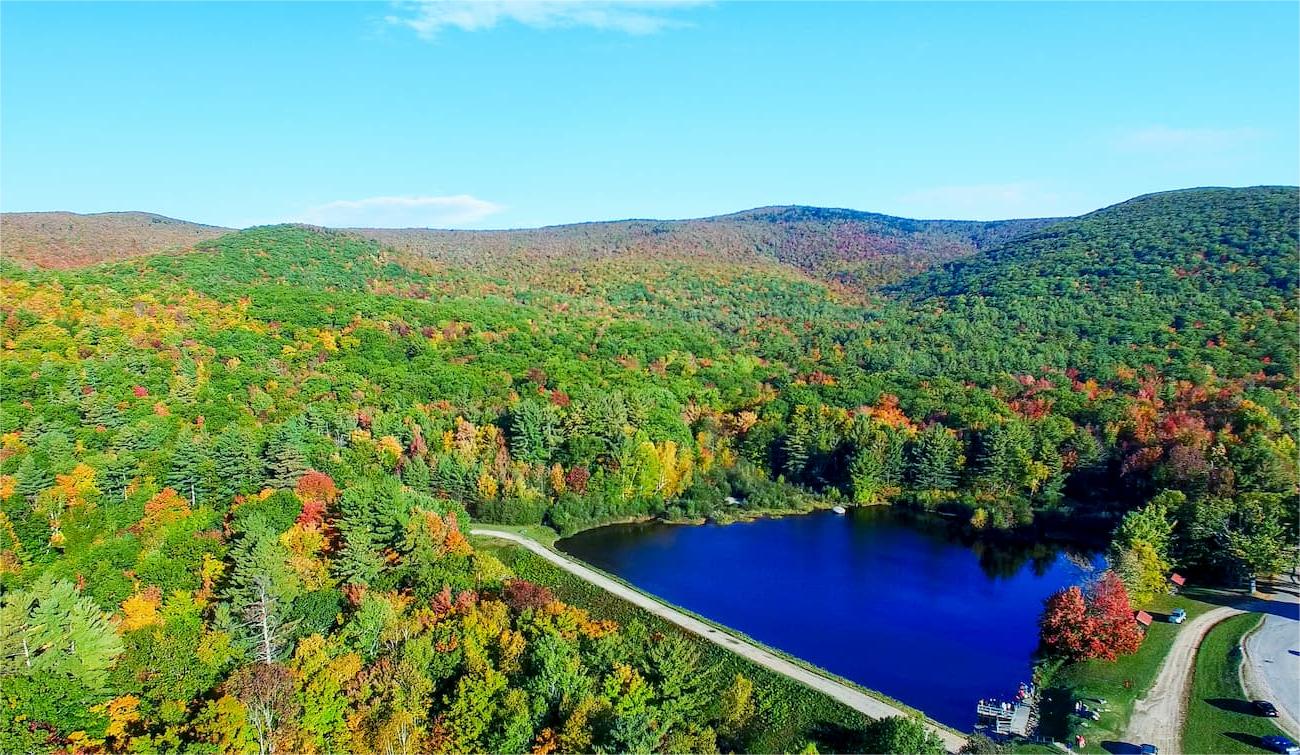
Have you ever wondered where bobcats roam in Vermont's Green Mountain National Forest? These elusive creatures are masters of stealth, making their territories hard to pinpoint. Bobcats prefer areas with dense vegetation, rocky outcrops, and plenty of prey like rabbits and rodents. They mark their territories with scent markings and scratches on trees. If you’re lucky, you might spot one during dawn or dusk when they are most active. Understanding their habitat helps in preserving these majestic animals and ensuring they thrive in their natural environment. Ready to learn more about these fascinating felines? Let's dive into their world!
Secrets of Bobcat Territories in Vermont's Green Mountain National Forest
Bobcats, elusive and mysterious, roam the dense forests of Vermont's Green Mountain National Forest. These solitary creatures have carved out territories in some of the most picturesque and remote areas. Let's uncover the secrets of their habitats.
1. Breadloaf Wilderness
Breadloaf Wilderness, with its rugged terrain and dense forests, provides an ideal habitat for bobcats. This area offers plenty of cover and prey, making it a prime spot for these stealthy hunters.
- Dense Forests: Thick woods offer perfect hiding spots.
- Abundant Prey: Small mammals and birds are plentiful.
- Rugged Terrain: Rocky outcrops provide vantage points.
2. Lye Brook Wilderness
Lye Brook Wilderness, known for its waterfalls and wetlands, is another favorite haunt of bobcats. The mix of water sources and dense vegetation creates a rich environment for these predators.
- Waterfalls and Streams: Freshwater sources attract prey.
- Wetlands: Marshy areas support diverse wildlife.
- Thick Vegetation: Provides excellent cover for stalking prey.
3. Big Branch Wilderness
Big Branch Wilderness, with its mix of hardwood and conifer forests, offers a varied landscape for bobcats. The diversity of plant life supports a wide range of prey species.
- Mixed Forests: Variety of trees supports different prey.
- Remote Location: Less human disturbance.
- Rocky Outcrops: Ideal for denning and hunting.
4. Peru Peak Wilderness
Peru Peak Wilderness, with its high elevations and dense spruce-fir forests, is a challenging but rewarding territory for bobcats. The cooler climate and rugged terrain make it a unique habitat.
- High Elevations: Cooler temperatures and unique flora.
- Spruce-Fir Forests: Dense cover for hunting.
- Rugged Terrain: Offers seclusion and hunting advantages.
5. Glastenbury Wilderness
Glastenbury Wilderness, one of the largest and most remote areas in the Green Mountain National Forest, is a prime bobcat territory. Its vast, unspoiled landscape provides ample space for these solitary animals.
- Vast Wilderness: Large, undisturbed area.
- Diverse Habitats: From wetlands to high peaks.
- Seclusion: Minimal human activity.
6. Joseph Battell Wilderness
Joseph Battell Wilderness, with its old-growth forests and clear streams, offers a pristine environment for bobcats. The rich biodiversity supports a healthy population of prey animals.
- Old-Growth Forests: Mature trees provide excellent cover.
- Clear Streams: Freshwater sources attract prey.
- Rich Biodiversity: Supports a variety of prey species.
7. Mount Tabor
Mount Tabor, with its mix of hardwood forests and open meadows, provides a varied landscape for bobcats. The combination of dense woods and open spaces creates a dynamic hunting ground.
- Hardwood Forests: Dense cover for stalking.
- Open Meadows: Hunting grounds for small mammals.
- Varied Landscape: Supports diverse prey species.
8. Stratton Mountain
Stratton Mountain, known for its ski resort, also has wild, less-traveled areas where bobcats thrive. The mix of recreational areas and untouched wilderness offers a unique habitat.
- Recreational Areas: Less human activity in off-seasons.
- Untouched Wilderness: Secluded spots for denning.
- Diverse Terrain: From slopes to dense forests.
9. White Rocks National Recreation Area
White Rocks National Recreation Area, with its striking cliffs and dense forests, provides a dramatic backdrop for bobcat territories. The rocky terrain and thick woods offer excellent hunting and denning opportunities.
- Striking Cliffs: Vantage points for spotting prey.
- Dense Forests: Ideal for stalking and hiding.
- Rocky Terrain: Perfect for dens and hunting.
Understanding Bobcat Territories
Bobcat territories in Vermont's Green Mountain National Forest offer a fascinating glimpse into the lives of these elusive creatures. These wild cats thrive in the forest's diverse habitats, from dense woodlands to rocky outcrops. Their territories are marked by scent markings and scratch marks, helping them communicate with other bobcats and establish their own space.
Hiking through the Green Mountain National Forest, you might spot signs of bobcat activity if you know what to look for. Keep an eye out for tracks, scat, and those distinctive scratch marks on trees. Remember, bobcats are shy and prefer to avoid humans, so sightings are rare but rewarding.
Exploring these territories not only enriches your understanding of bobcats but also deepens your appreciation for Vermont's natural beauty. So, lace up your hiking boots, grab your binoculars, and venture into the forest to uncover the secrets of bobcat territories.
