

Hidden Ice Cutting Sites Of Vermont’s Connecticut River Mill Towns
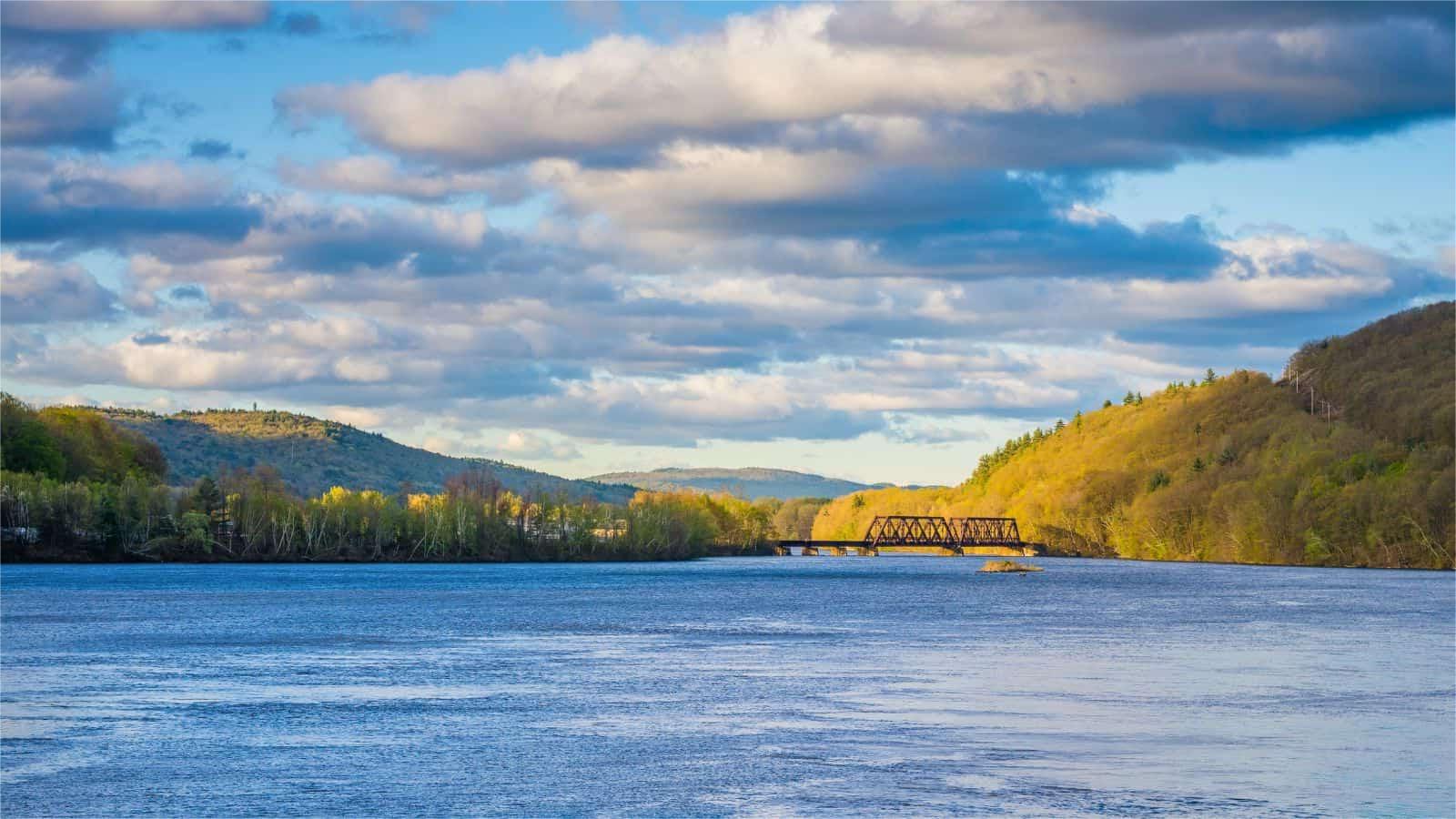
Have you ever wondered where the ice in your old-fashioned icebox came from? In Vermont's Connecticut River mill towns, ice cutting was a vital winter activity. Before modern refrigeration, these towns relied on frozen rivers to harvest ice. Workers braved freezing temperatures, using saws and horses to cut large blocks from the river. These blocks were then stored in icehouses, insulated with sawdust to last through summer. This practice not only preserved food but also supported local economies. Today, remnants of these ice cutting sites offer a glimpse into a time when nature's freezer was the only option.
The Forgotten Ice Cutting Sites of Vermont's Connecticut River Mill Towns
Vermont's Connecticut River mill towns hold secrets from a bygone era. Among these are the hidden ice cutting sites, once bustling with activity. These places played a crucial role in the local economy, providing ice for refrigeration before modern technology took over. Let's journey through some of these fascinating locations.
1. Bellows Falls
Bellows Falls, a small town with a rich history, was a major hub for ice cutting. The river's natural flow created ideal conditions for thick ice formation. Workers would cut large blocks of ice and store them in insulated ice houses, ready for shipment.
2. White River Junction
White River Junction, known for its railroad connections, also thrived on ice cutting. The town's proximity to the river made it a perfect spot for harvesting ice. The ice was then transported via train to various destinations, keeping goods fresh during transit.
3. Windsor
Windsor, often called the birthplace of Vermont, had its share of ice cutting sites. The town's location along the Connecticut River provided easy access to high-quality ice. Local businesses relied on this ice for refrigeration, especially during the hot summer months.
4. Springfield
Springfield, a town with a strong industrial background, also engaged in ice cutting. The river's cold waters ensured a steady supply of ice. Factories and households alike depended on this ice to preserve food and other perishables.
5. Brattleboro
Brattleboro, with its vibrant community, was another key player in the ice cutting industry. The town's ice was known for its clarity and purity, making it highly sought after. Ice cutting here was a well-coordinated effort, involving many local workers.
6. St. Johnsbury
St. Johnsbury, though slightly further from the river, still participated in ice cutting. The town utilized nearby ponds and lakes, which froze over during winter. These ice blocks were then transported to the river for easier distribution.
7. Norwich
Norwich, a quaint town with a picturesque setting, also had its ice cutting sites. The river's calm waters allowed for smooth ice harvesting. Local farmers and merchants relied on this ice to keep their produce fresh.
8. Fairlee
Fairlee, nestled along the river, was another important ice cutting location. The town's ice was known for its thickness and durability. It was often used in large-scale refrigeration systems, ensuring a steady supply of cold storage.
9. Hartland
Hartland, with its scenic landscapes, contributed to the ice cutting industry as well. The town's ice was harvested from both the river and nearby ponds. This ice was essential for local dairy farms, helping to keep milk and other products cool.
10. Thetford
Thetford, a small yet significant town, also engaged in ice cutting. The river's consistent freezing made it an ideal spot for harvesting ice. Local businesses and households depended on this ice for their daily needs.
11. Newbury
Newbury, with its rich history, had several ice cutting sites. The town's ice was prized for its clarity and size. It played a crucial role in the local economy, supporting both commercial and residential refrigeration needs.
12. Bradford
Bradford, a town with a strong community spirit, also participated in ice cutting. The river's cold waters provided a reliable source of ice. This ice was essential for preserving food and other perishables, especially during the warmer months.
13. Lyme
Lyme, located just across the river from Vermont, also had its share of ice cutting sites. The town's ice was known for its purity and was often used in medical facilities for cooling purposes. The ice cutting industry here was a vital part of the local economy.
14. Orford
Orford, another town along the river, engaged in ice cutting as well. The ice harvested here was used in various industries, including brewing and meatpacking. The town's ice cutting sites were a bustling hub of activity during the winter months.
15. Wells River
Wells River, with its strategic location, was a key player in the ice cutting industry. The town's ice was transported to various destinations, supporting both local and regional refrigeration needs. The ice cutting sites here were an essential part of the town's history.
Vermont's Ice Cutting Legacy
Vermont's Connecticut River mill towns hold a rich history of ice cutting. This once-thriving industry played a crucial role in the local economy, providing jobs and supporting the community. Today, the remnants of these ice cutting sites offer a glimpse into a bygone era. Exploring these hidden gems, visitors can appreciate the hard work and ingenuity of those who once labored there. The ice houses, tools, and stories passed down through generations keep this unique heritage alive. Whether you're a history buff or just curious, visiting these sites provides a deeper understanding of Vermont's past. So next time you're in the area, take a moment to step back in time and discover the fascinating world of ice cutting in Vermont's mill towns.
