

Utah’s Hidden Dark Sky Spots For Meteor Watching
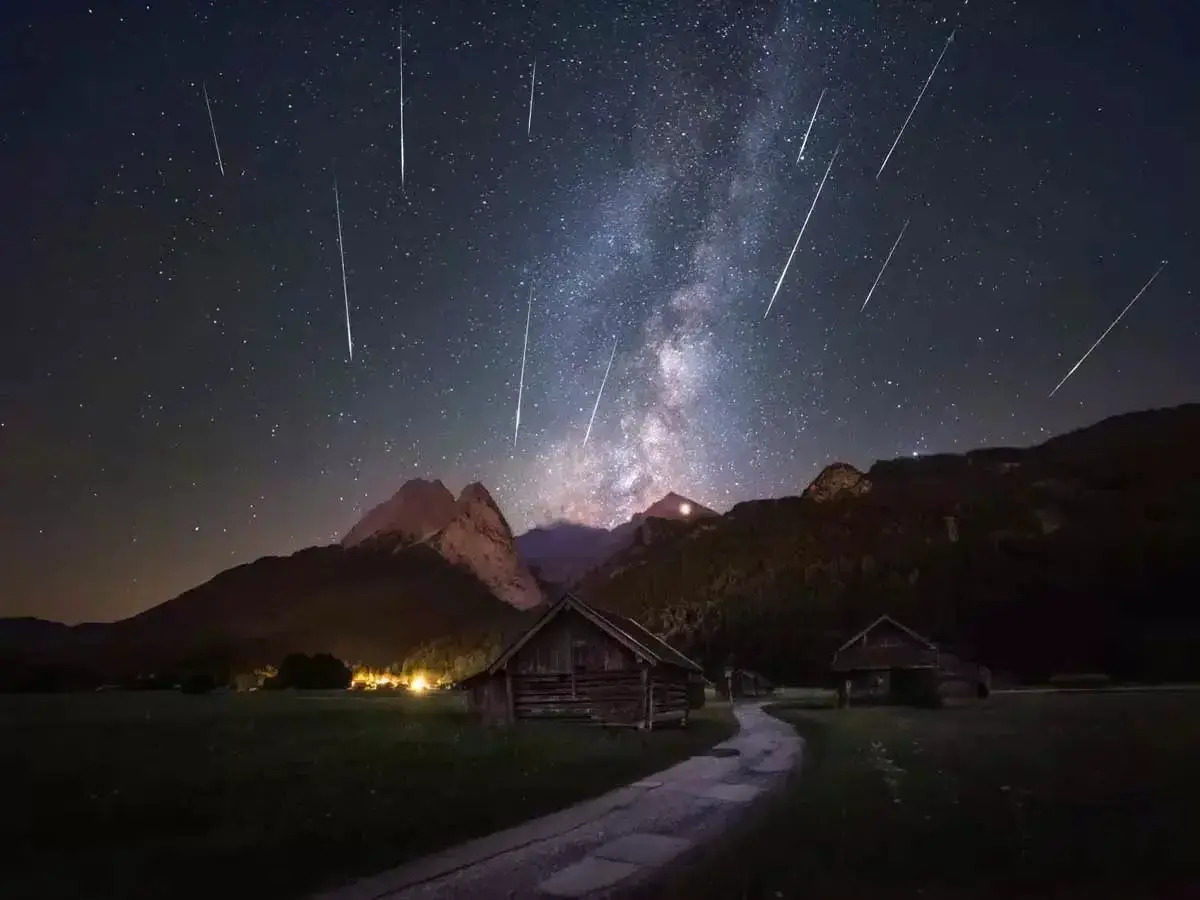
Have you ever gazed up at the night sky and wished for a clearer view of the stars? Utah's hidden dark sky spots offer some of the best places for meteor watching. These locations are far from city lights, providing an unobstructed view of the cosmos. Imagine lying on a blanket, eyes wide open, as meteors streak across the sky. From Bryce Canyon to Capitol Reef, Utah boasts several dark sky parks perfect for stargazing. Whether you're an amateur astronomer or just love the night sky, these spots will leave you in awe. Ready to find your perfect stargazing spot? Let's dive in!
Utah's Hidden Dark Sky Spots for Meteor Watching
Utah is a paradise for stargazers. With its vast deserts, towering mountains, and minimal light pollution, it offers some of the best spots for meteor watching. Here are some hidden gems where you can catch a spectacular meteor shower.
1. Goblin Valley State Park
Goblin Valley State Park is a surreal landscape filled with unique rock formations. At night, the park transforms into a stargazer's dream. The dark skies here are perfect for spotting meteors.
- Why it's great: Minimal light pollution, unique rock formations
- Best time to visit: Late summer to early fall
2. Dead Horse Point State Park
Dead Horse Point State Park offers breathtaking views during the day and equally stunning skies at night. The park's high elevation and remote location make it an excellent spot for meteor watching.
- Why it's great: High elevation, remote location
- Best time to visit: Spring and fall
3. Cedar Breaks National Monument
Cedar Breaks National Monument is a lesser-known gem for stargazing. The park's high altitude and clear skies provide an ideal setting for meteor showers.
- Why it's great: High altitude, clear skies
- Best time to visit: Summer
4. Natural Bridges National Monument
Natural Bridges National Monument is one of the first International Dark Sky Parks. The natural stone bridges frame the night sky, offering a unique backdrop for meteor watching.
- Why it's great: International Dark Sky Park, unique natural bridges
- Best time to visit: Year-round
5. Capitol Reef National Park
Capitol Reef National Park is often overlooked, but its dark skies are perfect for stargazing. The park's remote location ensures minimal light pollution, making it a prime spot for meteor showers.
- Why it's great: Remote location, minimal light pollution
- Best time to visit: Late spring to early fall
6. Bryce Canyon National Park
Bryce Canyon National Park is famous for its stunning rock formations, but it's also a fantastic place for meteor watching. The park's high elevation and clear skies make it a top choice for stargazers.
- Why it's great: High elevation, clear skies
- Best time to visit: Summer
7. Great Basin National Park
Great Basin National Park, though technically in Nevada, is close enough to Utah to make the list. The park's remote location and high elevation provide some of the darkest skies in the region.
- Why it's great: Remote location, high elevation
- Best time to visit: Late summer
8. Antelope Island State Park
Antelope Island State Park, located in the Great Salt Lake, offers stunning views of the night sky. The island's isolation from city lights makes it an excellent spot for meteor watching.
- Why it's great: Isolation from city lights, stunning views
- Best time to visit: Spring and fall
9. Arches National Park
Arches National Park is not just about its famous rock arches. The park's dark skies make it a fantastic place for meteor watching, especially during meteor showers.
- Why it's great: Famous rock arches, dark skies
- Best time to visit: Year-round
10. Canyonlands National Park
Canyonlands National Park offers some of the darkest skies in Utah. The park's vast landscapes and minimal light pollution make it a prime spot for stargazing and meteor watching.
- Why it's great: Vast landscapes, minimal light pollution
- Best time to visit: Late spring to early fall
Embrace Utah's Night Sky
Utah offers some of the best dark sky spots for meteor watching. Places like Bryce Canyon, Capitol Reef, and Natural Bridges provide stunning views of the night sky, free from light pollution. These locations are perfect for those who love stargazing and want to experience the beauty of meteor showers.
Remember to bring a telescope, binoculars, or just your eyes to fully enjoy the spectacle. Dress warmly, pack some snacks, and maybe even bring a blanket to lie on while you watch the stars.
Whether you're an experienced astronomer or just someone who loves the night sky, Utah's dark sky spots offer an unforgettable experience. So, next time there's a meteor shower, head to one of these spots and enjoy the show. Happy stargazing!
