

Secrets Of Utah’s Tushar Mountains Ghost Towns
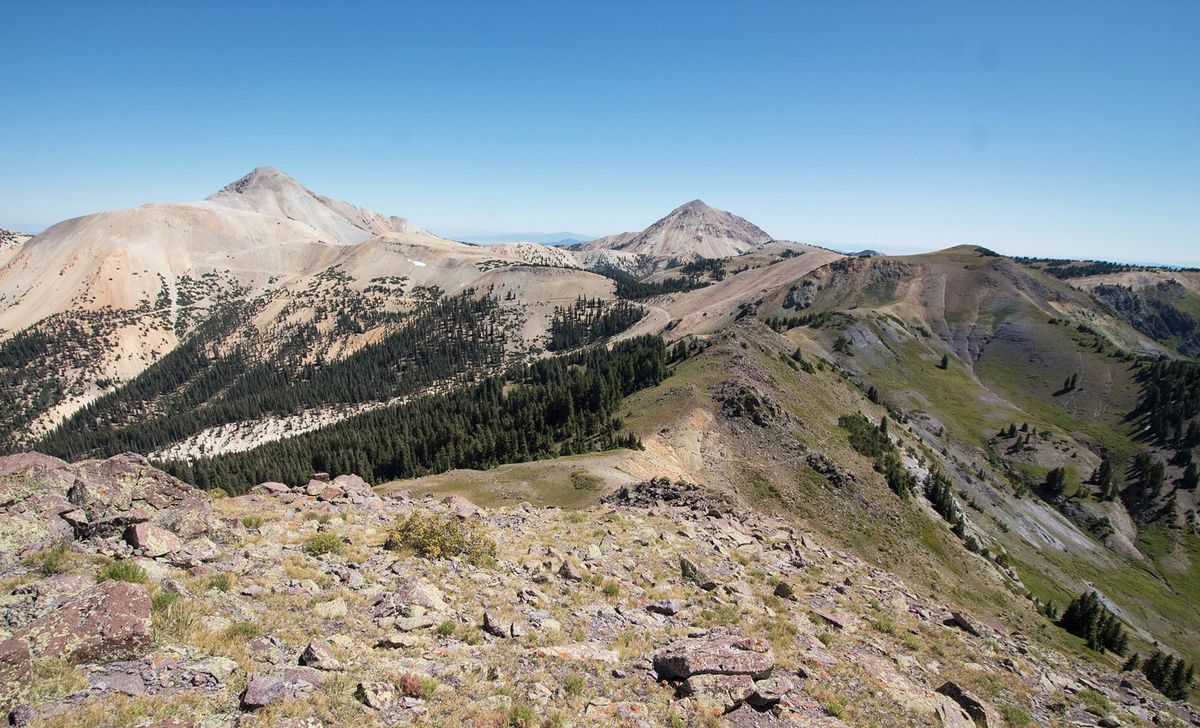
Have you ever wondered what secrets lie hidden in the Tushar Mountains of Utah? These mountains are home to several ghost towns that tell tales of a bygone era. Once bustling with miners seeking fortune, these towns now stand silent, offering a glimpse into the past. Imagine walking through abandoned buildings, peeking into old saloons, and feeling the history beneath your feet. Whether you're a history buff or just love a good adventure, exploring these ghost towns can be a thrilling experience. Ready to uncover the mysteries of the Tushar Mountains? Let's dive into the stories and secrets waiting to be discovered.
Secrets of Utah's Tushar Mountains Ghost Towns
Utah's Tushar Mountains hide some of the most intriguing ghost towns in the American West. These abandoned places tell stories of boom and bust, of dreams built and shattered. Let's uncover the secrets of these forgotten towns.
1. Frisco
Frisco, once a bustling mining town, now stands silent. Founded in 1875, it quickly grew due to rich silver mines. At its peak, Frisco had over 6,000 residents, saloons, and even a hospital. However, a mine disaster in 1885 led to its decline. Today, visitors can explore the remnants of buildings and imagine the lively streets of the past.
2. Kimberly
Kimberly, nestled high in the Tushar Mountains, thrived in the early 1900s. Gold mining attracted many, and the town boasted a school, post office, and several businesses. By 1910, the gold veins dried up, and Kimberly was abandoned. The ruins of the old schoolhouse and other structures still stand, offering a glimpse into its golden days.
3. Bullion City
Bullion City, established in the 1870s, was another mining hub. Rich in gold and silver, it attracted prospectors and entrepreneurs. The town had a hotel, saloons, and a newspaper. However, by the 1880s, the mines were depleted, and Bullion City was deserted. Today, visitors can see the remains of the old mill and other buildings.
4. Silver City
Silver City, founded in 1869, was a silver mining town. It quickly grew, with a population of over 1,500 at its peak. The town had a school, church, and numerous businesses. However, by the 1890s, the silver mines were exhausted, and Silver City was abandoned. The ruins of the old buildings still stand, telling the story of its brief but vibrant existence.
5. Marysvale
Marysvale, unlike the other ghost towns, still has a small population. Founded in the 1860s, it was a mining town that saw several booms and busts. The town's historic district features old buildings, and visitors can explore the nearby Bullion Canyon, where many mining relics remain. Marysvale offers a unique blend of history and present-day life.
6. Osceola
Osceola, located near the Utah-Nevada border, was a gold mining town established in the 1870s. It had a population of over 1,500 and boasted a school, post office, and several businesses. By the early 1900s, the gold was gone, and Osceola was abandoned. The remains of the old buildings and mining equipment can still be seen, offering a glimpse into its past.
7. Newhouse
Newhouse, founded in the early 1900s, was a company town built around the Cactus Mine. It had modern amenities for its time, including electricity and running water. However, the mine closed in 1910, and Newhouse was deserted. The ruins of the old buildings and the mine can still be explored, providing a fascinating look into early 20th-century mining life.
8. Mammoth
Mammoth, established in the 1870s, was a silver mining town. It had a population of over 3,000 and featured a school, church, and numerous businesses. By the early 1900s, the silver was depleted, and Mammoth was abandoned. The ruins of the old buildings and the mine can still be seen, offering a glimpse into its past.
9. Eureka
Eureka, unlike many ghost towns, still has a small population. Founded in the 1870s, it was a major mining town with a population of over 3,000 at its peak. The town's historic district features old buildings, and visitors can explore the nearby Tintic Mining District, where many mining relics remain. Eureka offers a unique blend of history and present-day life.
10. Ophir
Ophir, located in the Tushar Mountains, was a silver mining town established in the 1860s. It had a population of over 1,500 and boasted a school, post office, and several businesses. By the early 1900s, the silver was gone, and Ophir was abandoned. The remains of the old buildings and mining equipment can still be seen, offering a glimpse into its past.
Discovering Utah's Hidden History
Exploring Utah's Tushar Mountains ghost towns offers a unique glimpse into the past. These abandoned settlements, once bustling with life, now stand as silent witnesses to history. Walking through these towns, you can almost hear the echoes of miners and settlers who once called this place home.
Visiting these sites isn't just about seeing old buildings; it's about connecting with a piece of history that shaped the region. The Tushar Mountains provide a stunning backdrop, making the journey both educational and visually rewarding.
Whether you're a history buff, an adventure seeker, or someone who loves the outdoors, these ghost towns have something to offer. So pack your bags, grab a map, and set out to uncover the secrets of Utah's hidden history. You'll leave with memories and stories that will last a lifetime.
