

Secrets Of Utah’s Spanish Trail Trading Routes
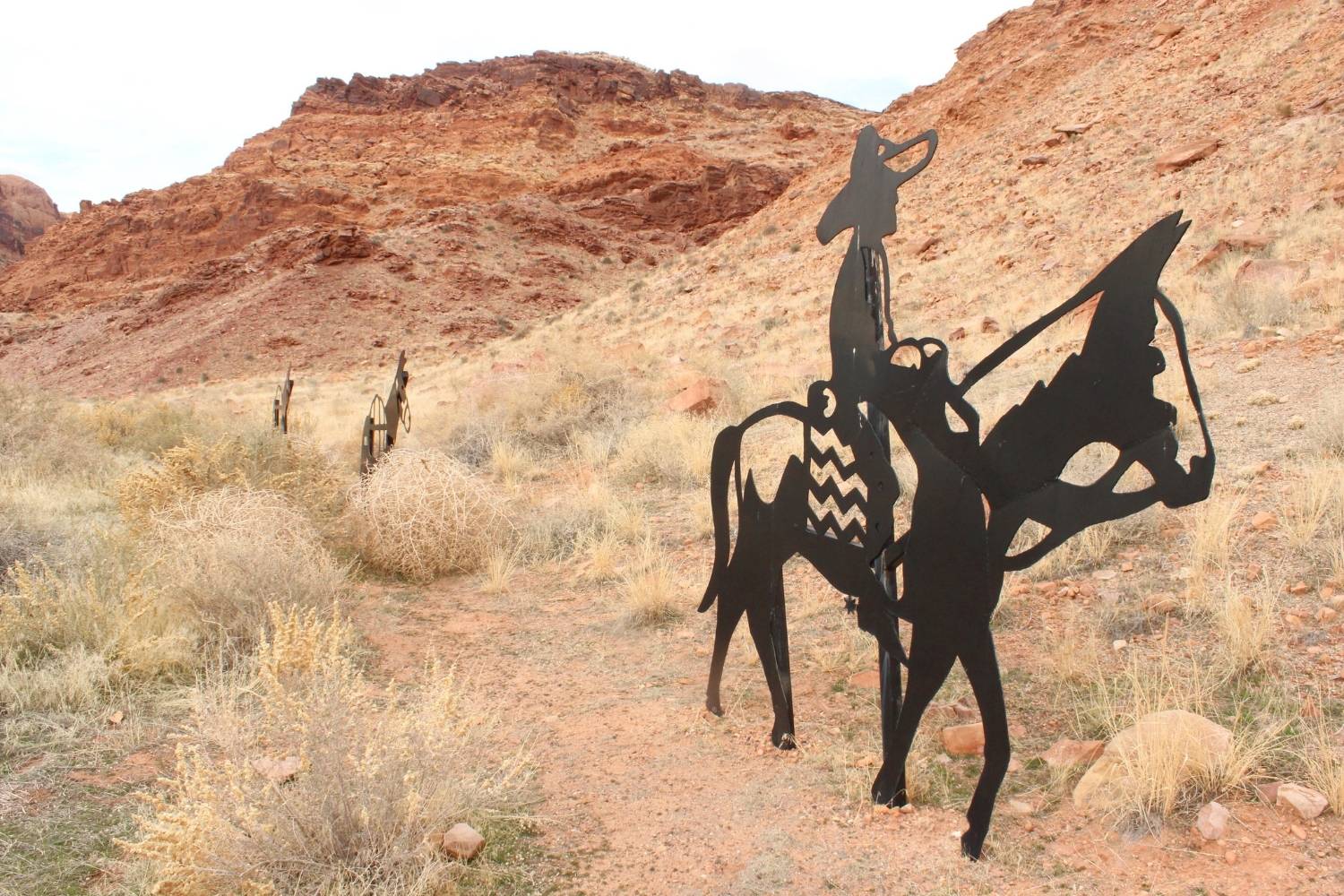
Have you ever wondered about the Spanish Trail trading routes in Utah? These historic paths hold tales of adventure, commerce, and cultural exchange. Stretching through rugged landscapes, the Spanish Trail connected New Mexico to California, passing through Utah's stunning scenery. Traders, explorers, and settlers used these routes to transport goods like wool, horses, and silver. The trail's history is rich with stories of Native American tribes, Spanish explorers, and American pioneers. Today, you can still trace parts of these routes and imagine the bustling activity that once filled these trails. Ready to learn more about Utah's Spanish Trail? Let's dive in!
Secrets of Utah's Spanish Trail Trading Routes
Utah's Spanish Trail is a historic route that once connected Santa Fe, New Mexico, to Los Angeles, California. Traders, explorers, and settlers traversed this path, leaving behind a rich tapestry of history. Let's uncover some of the secrets hidden along this ancient trail.
Historic Landmarks
The Spanish Trail is dotted with landmarks that tell the story of those who traveled it. These sites offer a glimpse into the past and the challenges faced by early traders.
Old Spanish Trail Arena
- Located in Moab, this arena hosts events that celebrate the trail's history. Rodeos, fairs, and reenactments bring the past to life.
Fishlake National Forest
- This forest provided a crucial water source for travelers. Today, it offers hiking trails and camping spots where you can experience the same natural beauty.
Green River
- A key crossing point, the Green River was both a lifeline and a barrier. Modern visitors can enjoy rafting and fishing in its waters.
Natural Wonders
The trail winds through some of Utah's most stunning landscapes. These natural wonders were both obstacles and aids to those on the trail.
Arches National Park
- Famous for its natural stone arches, this park offers breathtaking views. Imagine traders navigating these rugged terrains with their goods.
Canyonlands National Park
- This park's vast canyons and mesas were formidable challenges. Today, they provide endless opportunities for hiking and photography.
Zion National Park
- Known for its towering cliffs and narrow canyons, Zion was a significant landmark. Visitors can hike the same paths that once saw traders and explorers.
Cultural Sites
The Spanish Trail also passes through areas rich in Native American history. These cultural sites offer insight into the lives of the people who lived here long before the trail was established.
Anasazi State Park Museum
- Located in Boulder, this museum showcases artifacts from the Anasazi people. Learn about their culture and how they interacted with early traders.
Edge of the Cedars State Park Museum
- This museum in Blanding features a well-preserved Puebloan village. Explore the ruins and see how ancient peoples lived.
Fremont Indian State Park
- Discover petroglyphs and pictographs left by the Fremont people. This park offers a fascinating look at prehistoric art and culture.
Modern-Day Attractions
While the Spanish Trail is steeped in history, it also offers modern attractions that make for a memorable visit.
Moab
- A hub for outdoor enthusiasts, Moab offers everything from mountain biking to off-roading. It's a great base for exploring the trail's many sites.
St. George
- Known for its red rock landscapes, St. George is a gateway to Zion National Park. Enjoy hiking, golfing, and exploring the local history.
Cedar City
- Home to the Utah Shakespeare Festival, Cedar City combines culture with adventure. It's also close to several national parks and monuments.
Hidden Gems
Some lesser-known spots along the Spanish Trail offer unique experiences. These hidden gems are worth seeking out for a deeper connection to the trail's history.
Parowan Gap
- Famous for its petroglyphs, Parowan Gap is a sacred site for Native Americans. The rock art here tells stories that span centuries.
Hole-in-the-Rock
- This historic site marks a difficult passage for Mormon pioneers. The sheer determination required to navigate this route is awe-inspiring.
Escalante Petrified Forest State Park
- Explore ancient petrified wood and fossils in this unique park. It's a window into a prehistoric world that existed long before the Spanish Trail.
Discovering Utah's Hidden Gems
Utah's Spanish Trail trading routes offer a unique glimpse into the past. These paths reveal stories of explorers, traders, and Native American tribes. Walking these trails, you can almost hear the whispers of history. The landscapes are stunning, with red rock canyons, vast deserts, and lush valleys. Each step brings you closer to understanding the rich cultural heritage of the region.
Visiting these routes isn't just about history. It's also about adventure. Hike, bike, or even ride horseback through these historic paths. You'll find hidden gems like ancient petroglyphs and old trading posts. These trails are perfect for anyone who loves nature and history.
So, pack your bags and set out to explore Utah's Spanish Trail. You'll leave with memories and stories to share. This journey through time and nature is one you won't forget.
