

Secrets Of Utah’s Fremont Indian Caves
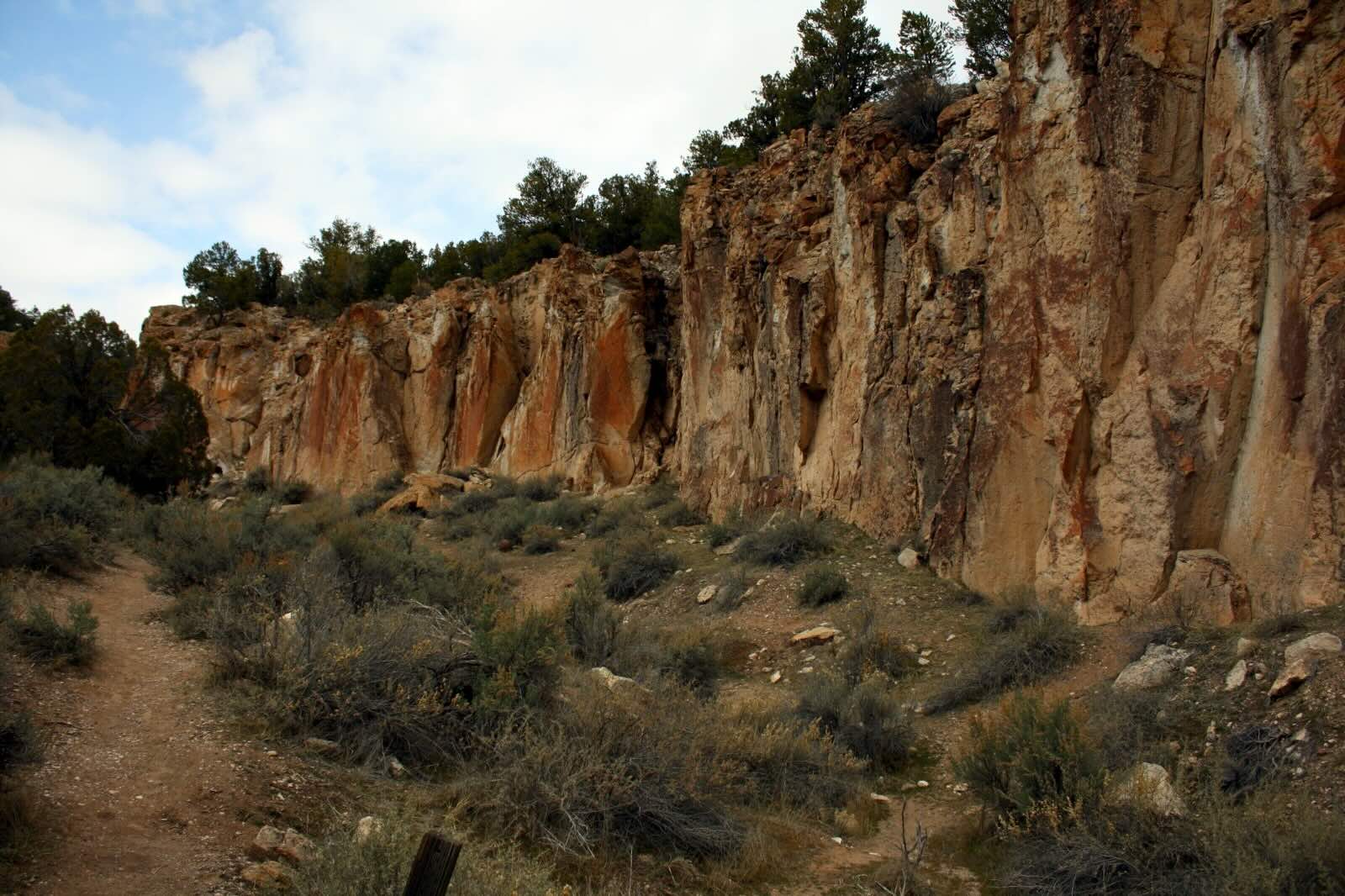
Have you ever wondered about the ancient secrets hidden in Utah's Fremont Indian Caves? These caves, located in the rugged landscapes of central Utah, offer a fascinating glimpse into the lives of the Fremont people who lived there over a thousand years ago. Imagine walking through these historic sites, seeing the rock art and artifacts left behind by a culture that thrived long before modern conveniences. The Fremont Indian State Park and Museum provides a unique opportunity to learn about these early inhabitants through well-preserved petroglyphs, pottery, and tools. Whether you're a history buff or just love exploring new places, visiting these caves promises an unforgettable adventure.
Discovering the Fremont Indian Caves
Utah's Fremont Indian Caves offer a glimpse into the lives of the ancient Fremont people. These caves, scattered across the state, hold secrets of a civilization that thrived over a thousand years ago. Let's explore some of the most fascinating sites.
1. Fremont Indian State Park
Nestled in central Utah, Fremont Indian State Park is a treasure trove of history. The park features numerous caves and rock shelters adorned with petroglyphs and pictographs.
- Museum: Start at the museum to understand the Fremont culture.
- Rock Art: Hike the trails to see ancient rock art.
- Cave Tours: Guided tours take you into the heart of the caves.
2. Range Creek Canyon
Range Creek Canyon is a remote area that has preserved many Fremont artifacts. This secluded canyon offers a unique opportunity to see untouched archaeological sites.
- Petroglyphs: The canyon walls are covered with ancient carvings.
- Granaries: Discover well-preserved granaries used for storing food.
- Hiking: Trek through the canyon to find hidden caves.
3. Nine Mile Canyon
Known as the "world's longest art gallery," Nine Mile Canyon is home to thousands of petroglyphs and pictographs. This canyon provides a rich tapestry of Fremont art and culture.
- Rock Art: Explore the extensive rock art along the canyon walls.
- Historic Sites: Visit ancient dwellings and storage sites.
- Scenic Drives: Enjoy a drive through the picturesque canyon.
4. Capitol Reef National Park
Capitol Reef National Park is not only known for its stunning landscapes but also for its Fremont heritage. The park's cliffs and canyons hide numerous archaeological sites.
- Petroglyph Panels: View the impressive petroglyph panels along the park's trails.
- Historic Sites: Explore ancient Fremont villages and artifacts.
- Hiking Trails: Hike through the park to uncover hidden caves.
5. Dinosaur National Monument
While Dinosaur National Monument is famous for its fossils, it also contains significant Fremont sites. The monument's rugged terrain shelters many ancient artifacts.
- Rock Art: Discover petroglyphs and pictographs on the canyon walls.
- Cave Sites: Explore caves that once housed Fremont families.
- Guided Tours: Join a ranger-led tour to learn about the Fremont culture.
6. Parowan Gap
Parowan Gap is a natural passageway through the mountains, adorned with some of the most intricate rock art in Utah. This site offers a fascinating look into the Fremont people's spiritual life.
- Petroglyphs: Marvel at the detailed petroglyphs etched into the rock.
- Astronomical Alignments: Learn about the Fremont's use of the gap for astronomical observations.
- Self-Guided Tours: Follow the interpretive signs to understand the site's significance.
7. Fishlake National Forest
Fishlake National Forest, with its diverse landscapes, hides several Fremont sites. The forest's caves and rock shelters provide a window into the past.
- Rock Art: Find petroglyphs and pictographs scattered throughout the forest.
- Cave Dwellings: Explore caves that served as homes for the Fremont people.
- Nature Trails: Enjoy the forest's beauty while discovering ancient sites.
8. San Rafael Swell
The San Rafael Swell is a rugged, remote area filled with hidden Fremont treasures. Its canyons and mesas are dotted with archaeological sites waiting to be explored.
- Petroglyphs: The Swell's rock faces are covered with ancient carvings.
- Cave Sites: Discover caves that were once inhabited by the Fremont.
- Off-Road Adventures: Use off-road vehicles to reach the most remote sites.
9. Escalante Canyons
Escalante Canyons, part of the Grand Staircase-Escalante National Monument, offer a wealth of Fremont history. The area's rugged beauty is matched by its rich archaeological heritage.
- Rock Art: Explore the canyons to find stunning petroglyphs and pictographs.
- Ancient Dwellings: Visit the remains of Fremont homes and storage sites.
- Hiking: Trek through the canyons to uncover hidden caves.
10. Cedar Mesa
Cedar Mesa, located in southeastern Utah, is a vast area filled with Fremont sites. Its remote canyons and mesas hide many secrets of the ancient civilization.
- Petroglyphs: The mesa's rock walls are adorned with intricate carvings.
- Cave Dwellings: Explore caves that provided shelter for the Fremont people.
- Backcountry Hiking: Venture into the backcountry to find untouched archaeological sites.
Discovering Utah's Hidden History
Utah's Fremont Indian Caves offer a unique glimpse into the past. These caves, rich with ancient artifacts and rock art, tell stories of a civilization that thrived in the region. Exploring these sites provides a deeper understanding of the Fremont culture and their way of life. The petroglyphs and pictographs found here are not just art; they are historical records that have stood the test of time.
Visiting these caves isn't just an adventure; it's a journey through history. The natural beauty surrounding the caves adds to the experience, making it a perfect destination for history buffs and nature lovers alike. Whether you're a seasoned explorer or a curious traveler, the Fremont Indian Caves are a must-see. So, pack your bags, grab your camera, and get ready to step back in time.
