

Secrets Of Utah’s Courthouse Wash Rock Art
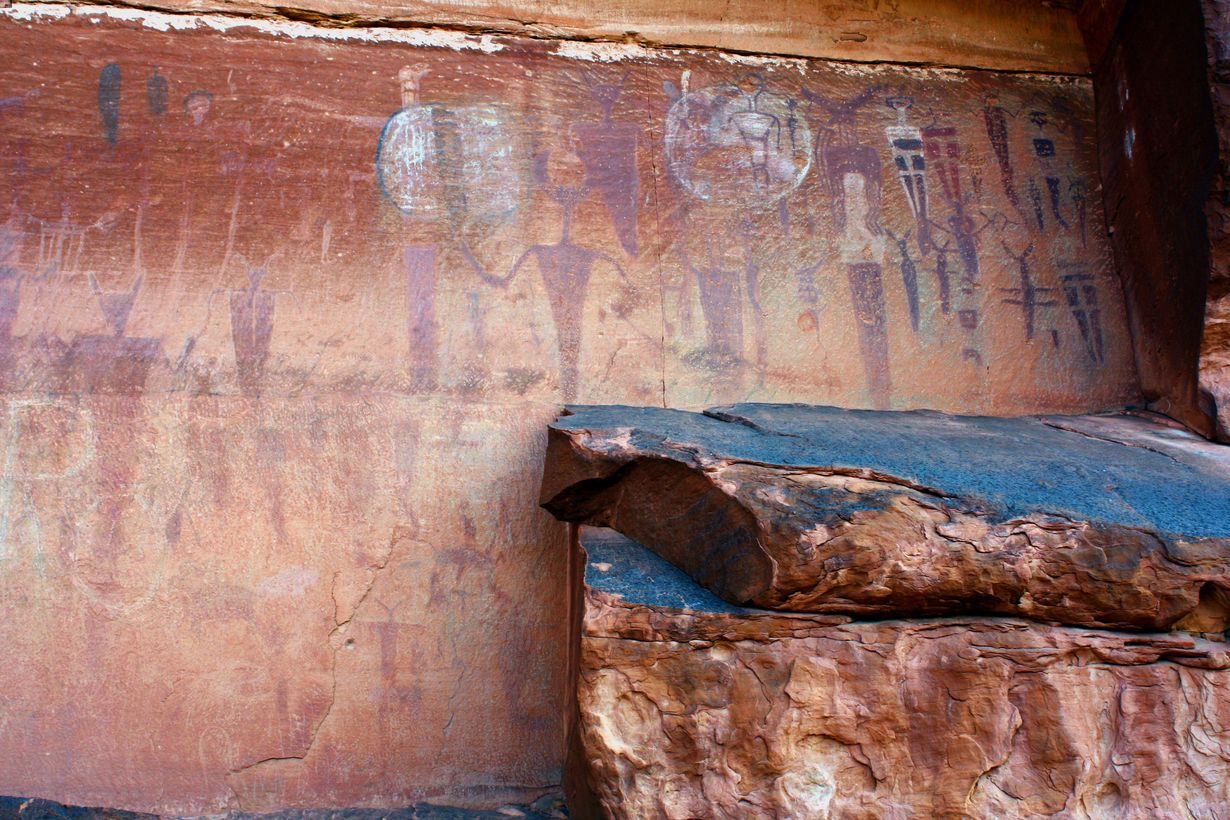
Have you ever wondered about the Courthouse Wash Rock Art in Utah? This hidden gem offers a glimpse into the past, showcasing ancient art created by Native American tribes. Located near Moab, these rock panels feature intricate designs and symbols that tell stories of a time long gone. Visiting this site not only provides a unique cultural experience but also a chance to connect with history. Whether you're an art enthusiast or a history buff, the Courthouse Wash Rock Art is a must-see. Ready to learn more about this fascinating site? Let's dive into its secrets and uncover what makes it so special.
Secrets of Utah's Courthouse Wash Rock Art
Utah's Courthouse Wash Rock Art is a hidden gem that offers a glimpse into the past. These ancient petroglyphs and pictographs tell stories of the people who once roamed this land. Let's uncover the secrets of this fascinating site.
The History Behind Courthouse Wash Rock Art
Understanding the history of Courthouse Wash Rock Art helps appreciate its significance. These artworks date back thousands of years, created by Native American tribes. Each symbol and figure carved or painted on the rock holds a piece of history.
Ancient Origins: The rock art dates back to the Archaic period, around 2,000 to 8,000 years ago. These early inhabitants used stone tools to carve their stories into the rock.
Fremont Culture: Around 1,500 years ago, the Fremont people added their unique style to the rock art. They used natural pigments to paint figures and symbols, leaving a colorful legacy.
Ute Influence: The Ute tribe, who lived in the area more recently, also contributed to the rock art. Their depictions often include horses, which were introduced to the region by Spanish explorers.
The Meaning of the Symbols
The symbols and figures in Courthouse Wash Rock Art are more than just drawings; they are a form of communication. Each symbol has a meaning, providing insight into the lives and beliefs of the people who created them.
Animal Figures: Many of the carvings depict animals such as bighorn sheep, deer, and birds. These animals were important to the tribes for food, clothing, and tools.
Human Figures: Human-like figures, often with elaborate headdresses or holding weapons, are common. These may represent tribal leaders, warriors, or spiritual figures.
Geometric Patterns: Intricate geometric patterns can be seen throughout the rock art. These patterns might have been used for storytelling, navigation, or ceremonial purposes.
How to Visit Courthouse Wash Rock Art
Visiting Courthouse Wash Rock Art is an adventure in itself. The site is located in Arches National Park, near Moab, Utah. Here’s how to make the most of your visit.
Getting There: From Moab, drive north on Highway 191 for about 4 miles. Look for the Courthouse Wash trailhead on the right side of the road.
Hiking the Trail: The trail to the rock art is about 1.5 miles long and relatively easy. Wear comfortable shoes, bring water, and be prepared for a bit of scrambling over rocks.
Respecting the Site: Remember that this is a sacred and historical site. Do not touch the rock art, as oils from your skin can damage the ancient pigments. Stay on the designated trail to protect the surrounding environment.
Other Rock Art Sites in Utah
Utah is home to many other incredible rock art sites. If you’re fascinated by Courthouse Wash, consider visiting these other locations.
Newspaper Rock: Located in Canyonlands National Park, Newspaper Rock features one of the largest collections of petroglyphs in the Southwest. The rock is covered with hundreds of symbols and figures.
Sego Canyon: Near the town of Thompson Springs, Sego Canyon boasts rock art from three different cultures: Archaic, Fremont, and Ute. The site is easily accessible and offers a unique glimpse into the past.
Nine Mile Canyon: Often called the "world's longest art gallery," Nine Mile Canyon is home to thousands of petroglyphs and pictographs. The canyon stretches for over 40 miles, providing endless opportunities for exploration.
Protecting and Preserving Rock Art
Preserving these ancient artworks is crucial for future generations. Efforts are being made to protect these sites from vandalism and natural erosion.
Conservation Programs: Organizations like the Bureau of Land Management and the National Park Service work to protect and preserve rock art sites. They conduct research, provide education, and enforce regulations to ensure these treasures remain intact.
Community Involvement: Local communities and volunteers play a vital role in preserving rock art. They participate in clean-up efforts, report vandalism, and help educate visitors about the importance of these sites.
Responsible Tourism: As a visitor, you can help protect rock art by following guidelines, respecting the sites, and spreading awareness about their significance.
Why Courthouse Wash Rock Art Matters
Courthouse Wash Rock Art offers a unique glimpse into ancient cultures. These petroglyphs and pictographs tell stories of people who lived thousands of years ago. Visiting this site isn't just about seeing old drawings; it's about connecting with history. The rock art is a reminder of human creativity and resilience. Protecting these sites ensures future generations can appreciate them too. If you’re in Utah, make time to visit Courthouse Wash. It’s a short hike with a big payoff. You’ll leave with a deeper appreciation for the past. Plus, it’s a great way to enjoy the natural beauty of the area. So next time you’re planning a trip, consider adding this hidden gem to your itinerary. It’s a small detour with a big impact.
