Secrets Of Utah’s Capitol Reef Water Catchments
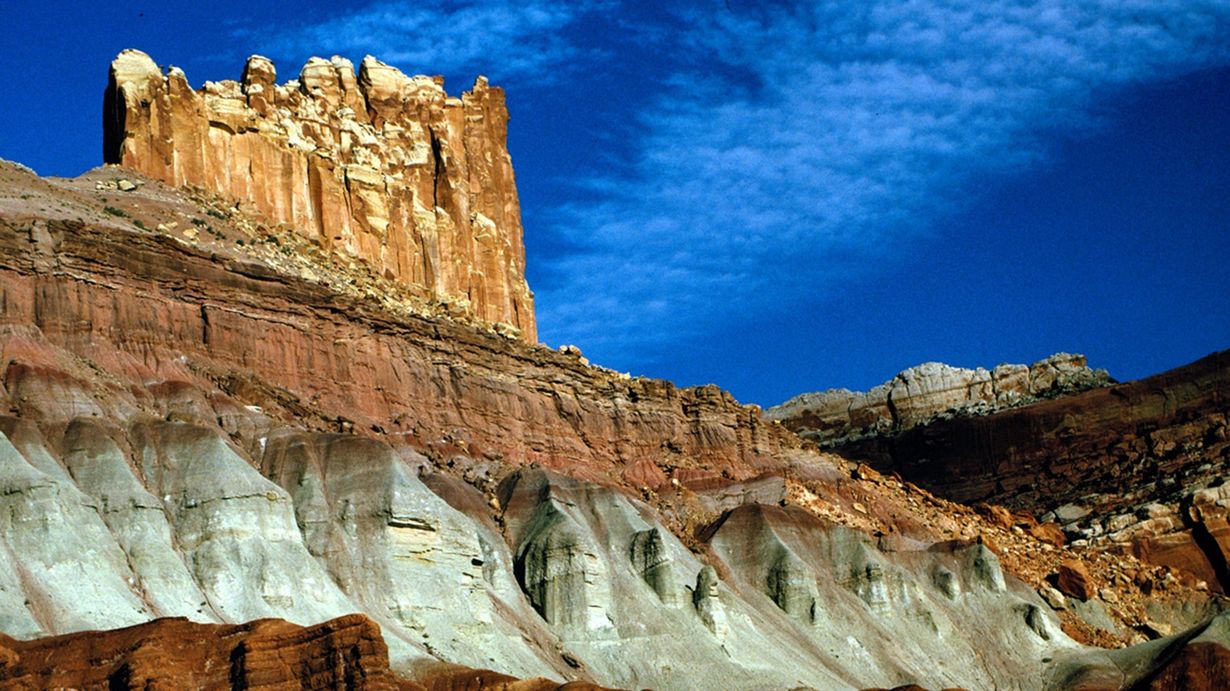
Have you ever wondered how Capitol Reef National Park in Utah manages its water supply? This stunning park, known for its colorful canyons and unique rock formations, relies on an intricate system of water catchments. These catchments are essential for sustaining the park's diverse plant and animal life, especially in such an arid region. Understanding how these systems work can give you a deeper appreciation for the park's natural beauty and the efforts to preserve it. Whether you're planning a visit or just curious about water management in desert environments, this guide will shed light on the fascinating world of Capitol Reef's water catchments.
Discovering Capitol Reef's Hidden Water Catchments
Capitol Reef National Park, located in Utah, is a treasure chest of natural wonders. Among its many secrets are the hidden water catchments that have sustained life in this arid region for centuries. These catchments, often overlooked, are vital for the park's ecosystem. Let's dive into some of the most fascinating water catchments in Capitol Reef.
Ancient Fremont Petroglyphs and Water Catchments
The Fremont people, who lived in this area over a thousand years ago, left behind petroglyphs that tell stories of their lives. Near these ancient carvings, you'll find some of the park's most intriguing water catchments.
Fremont River: This river has been a lifeline for both ancient and modern inhabitants. Its waters have carved out stunning canyons and provided a crucial water source.
Goosenecks Overlook: Here, the river twists and turns, creating natural basins that collect rainwater. These basins are essential for local wildlife.
Hidden Canyons and Their Water Secrets
Capitol Reef is famous for its hidden canyons, each with its own unique water catchments. These secluded spots are perfect for adventurous explorers.
Sulphur Creek: This creek flows through a deep canyon, creating pools and waterfalls along the way. It's a refreshing oasis in the desert.
Grand Wash: A narrow canyon with towering walls, Grand Wash has several natural catchments that fill with water after rainstorms, providing a vital resource for plants and animals.
Water Catchments in the Fruita Historic District
The Fruita Historic District is a lush area within Capitol Reef, thanks to its well-managed water catchments. Early settlers used these catchments to cultivate orchards and gardens.
Fruita Orchards: These orchards are still productive today, thanks to the irrigation systems that channel water from nearby catchments.
Gifford Homestead: This historic homestead showcases how early settlers utilized water catchments to sustain their farms and livestock.
Natural Bridges and Water Pools
Natural bridges are another fascinating feature of Capitol Reef. These geological formations often create natural pools that catch and hold water.
Hickman Bridge: This impressive natural bridge spans a small canyon, where water collects in pools beneath it. These pools are a vital water source for local wildlife.
Cassidy Arch: Named after the infamous outlaw Butch Cassidy, this arch overlooks a series of water catchments that provide essential hydration for the area's flora and fauna.
The Waterpocket Fold's Hidden Reservoirs
The Waterpocket Fold is a unique geological feature that runs through Capitol Reef. This massive wrinkle in the Earth's crust hides numerous water catchments.
Upper Muley Twist Canyon: This canyon winds through the Waterpocket Fold, with numerous water catchments along its length. These catchments are crucial for the survival of many desert species.
Lower Muley Twist Canyon: Similar to its upper counterpart, this canyon also boasts several water catchments that sustain life in this harsh environment.
Conclusion
Capitol Reef National Park's water catchments are more than just natural curiosities; they are lifelines in an otherwise arid landscape. From ancient rivers to hidden canyons, these catchments support a diverse array of life and offer a glimpse into the park's rich history. Whether you're a history buff, a nature lover, or an adventurous explorer, Capitol Reef's water catchments have something to offer everyone.
Discovering Capitol Reef's Hidden Gems
Capitol Reef's water catchments are more than just natural wonders. They are vital to the park's ecosystem and history. Exploring these catchments offers a unique glimpse into how water shapes the landscape. Hikers and nature lovers will find the park's hidden pools and streams both fascinating and refreshing.
Visiting Capitol Reef means experiencing a blend of natural beauty and geological marvels. The catchments are a testament to nature's power and resilience. Whether you're an avid hiker or a casual visitor, these water features add a special touch to your adventure.
Plan your trip to Capitol Reef and see these hidden gems for yourself. The park's water catchments are waiting to be discovered, offering a serene escape and a deeper connection to nature. Don't miss out on this unique experience.