

Secrets Of Bingham Canyon’s Forgotten Mining Camps
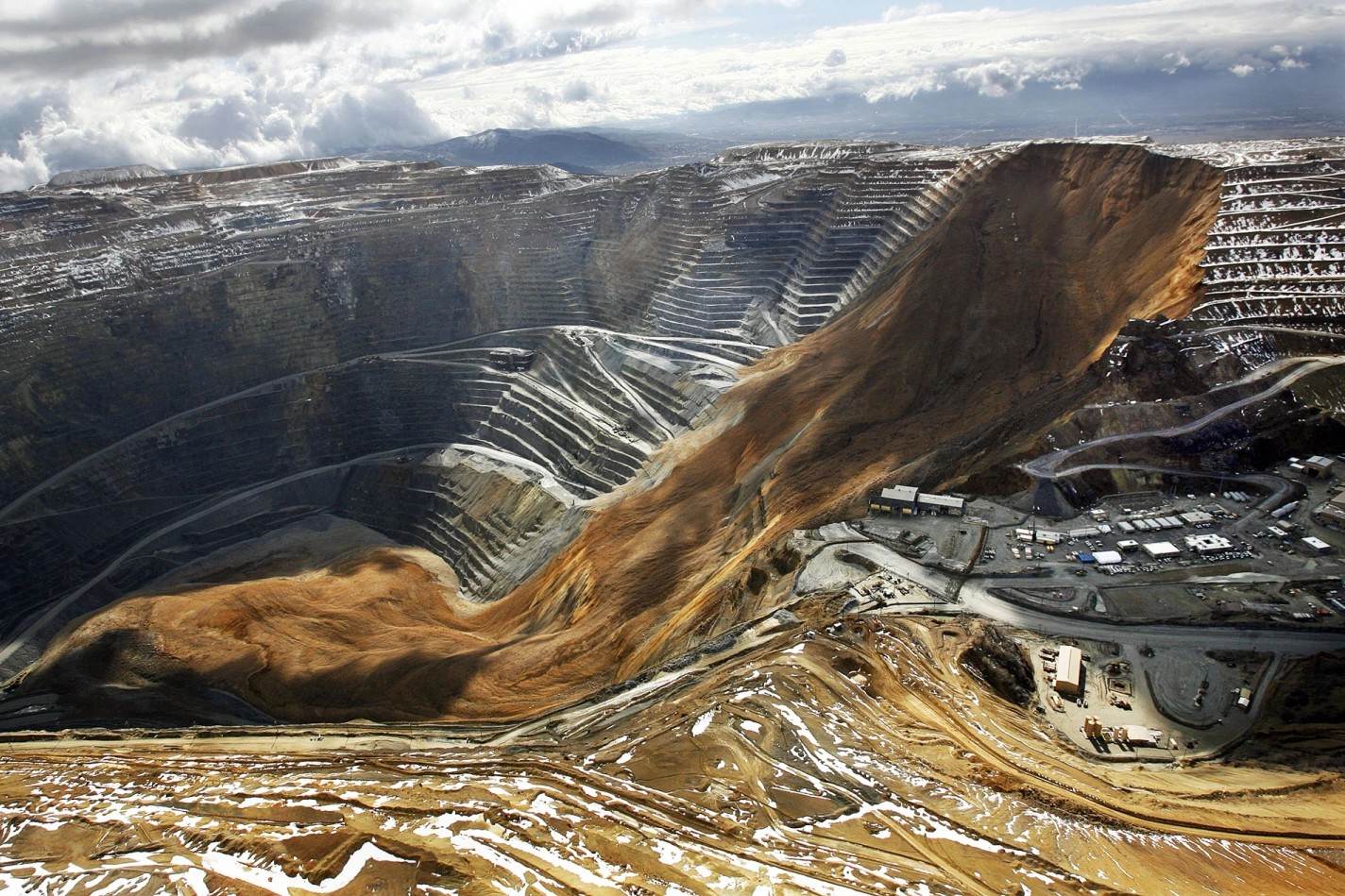
Have you ever wondered about the hidden stories behind Bingham Canyon's forgotten mining camps? These abandoned sites hold tales of hard work, dreams, and a bit of mystery. Once bustling with miners seeking fortune, these camps now stand silent, offering a glimpse into a bygone era. Imagine walking through old wooden structures, rusty tools scattered around, and faded signs hinting at what once was. Exploring these places feels like stepping back in time, where every corner has a story waiting to be told. Ready to uncover the secrets of these intriguing locations? Let's dive into the past and see what we can find.
Secrets of Bingham Canyon's Forgotten Mining Camps
Bingham Canyon, nestled in the Oquirrh Mountains of Utah, holds a rich history of mining that dates back to the 19th century. The area is known for its massive open-pit copper mine, but hidden within its rugged landscape are remnants of old mining camps that once thrived. These camps, now mostly forgotten, tell tales of hard work, community, and the pursuit of fortune. Let's uncover some of these hidden gems.
1. Highland Boy
Highland Boy was one of the most prominent mining camps in Bingham Canyon. Established in the late 1800s, it quickly grew due to the rich copper deposits found nearby.
- Rich History: Highland Boy was known for its bustling community and significant copper production.
- Community Life: The camp had schools, churches, and social clubs, making it a lively place despite the harsh conditions.
- Legacy: Though the camp is no longer active, remnants of buildings and mining equipment can still be found, offering a glimpse into the past.
2. Copperfield
Copperfield, another notable camp, was established around the same time as Highland Boy. It played a crucial role in the development of the Bingham Canyon mining district.
- Economic Hub: Copperfield was a central hub for miners and their families, with stores, saloons, and boarding houses.
- Mining Operations: The camp was home to several mines, including the famous Utah Copper Company.
- Current State: Today, only a few foundations and artifacts remain, but the spirit of Copperfield lives on in the stories passed down through generations.
3. Lark
Lark was a smaller camp compared to Highland Boy and Copperfield, but it had its own unique charm and significance.
- Community Spirit: Lark was known for its tight-knit community and strong sense of camaraderie among miners.
- Mining Activity: The camp primarily focused on lead and silver mining, contributing to the overall wealth of the region.
- Preservation Efforts: Efforts have been made to preserve the history of Lark, with some buildings being restored and maintained as historical sites.
4. Telegraph
Telegraph, though lesser-known, played a vital role in the communication network of the mining district.
- Communication Hub: The camp was named for its telegraph station, which connected Bingham Canyon to the outside world.
- Mining Contributions: Telegraph also had its own mines, adding to the area's mineral output.
- Historical Significance: While not much remains of Telegraph today, its role in the development of the region's infrastructure is remembered.
5. Carr Fork
Carr Fork was another important camp, known for its strategic location and rich mineral deposits.
- Strategic Location: Situated near the confluence of several mining claims, Carr Fork was a key site for ore extraction.
- Community Life: The camp had a vibrant community with schools, stores, and recreational facilities.
- Legacy: Although Carr Fork has faded into obscurity, its contributions to the mining industry are still recognized by historians.
6. Lead Mine
Lead Mine, as the name suggests, was primarily focused on lead extraction. It was one of the smaller camps but played a significant role in the mining district.
- Lead Production: The camp was a major producer of lead, which was essential for various industrial applications.
- Community: Despite its size, Lead Mine had a close-knit community with a strong work ethic.
- Remnants: Today, only a few structures and mining equipment remain, but they serve as a testament to the camp's industrious past.
7. Galena Gulch
Galena Gulch was a picturesque camp known for its scenic beauty and rich mineral deposits.
- Scenic Beauty: The camp was located in a beautiful gulch, surrounded by lush vegetation and stunning landscapes.
- Mining Activity: Galena Gulch was known for its silver and lead mines, which attracted many prospectors.
- Historical Sites: Some of the old mining structures have been preserved, making it a popular spot for history enthusiasts and hikers.
8. Copperton
Copperton, while not a mining camp in the traditional sense, was a residential area built to house miners and their families.
- Residential Area: Copperton was designed as a planned community with modern amenities for its time.
- Community Facilities: The area had schools, parks, and recreational facilities, making it a comfortable place for miners to live.
- Modern Legacy: Copperton still exists today as a residential area, with many of its original buildings and layout preserved.
9. Bingham Townsite
Bingham Townsite was the heart of the Bingham Canyon mining district, serving as the main town for miners and their families.
- Central Hub: The townsite had everything from stores and saloons to schools and churches, making it the central hub of the mining district.
- Mining Operations: Many of the major mining companies had their offices and facilities in Bingham Townsite.
- Current State: While much of the townsite has been overtaken by the expanding open-pit mine, some historical markers and remnants still remain.
10. Rattlesnake Gulch
Rattlesnake Gulch was a smaller, more rugged camp known for its challenging terrain and rich mineral deposits.
- Challenging Terrain: The camp was located in a rugged area, making mining operations difficult but rewarding.
- Mineral Wealth: Despite the challenges, Rattlesnake Gulch was known for its rich deposits of copper and silver.
- Historical Remnants: Some old mining equipment and structures can still be found, offering a glimpse into the camp's tough but prosperous past.
Hidden Gems of Bingham Canyon
Bingham Canyon's forgotten mining camps offer a unique glimpse into the past. These hidden gems tell stories of hard work, community, and the quest for riches. Exploring these sites, you can see remnants of old buildings, mining equipment, and even personal items left behind. Each camp has its own history, adding depth to the overall narrative of the area.
Visiting these camps isn't just about seeing old structures. It's about connecting with the history and understanding the lives of those who once lived there. Whether you're a history buff or just curious, these sites provide a fascinating look into a bygone era.
So next time you're in the area, take a detour to Bingham Canyon's forgotten mining camps. You'll walk away with a deeper appreciation for the past and the people who shaped it.
