

Secrets Of Texas’s Mission San Jose Stone Forts
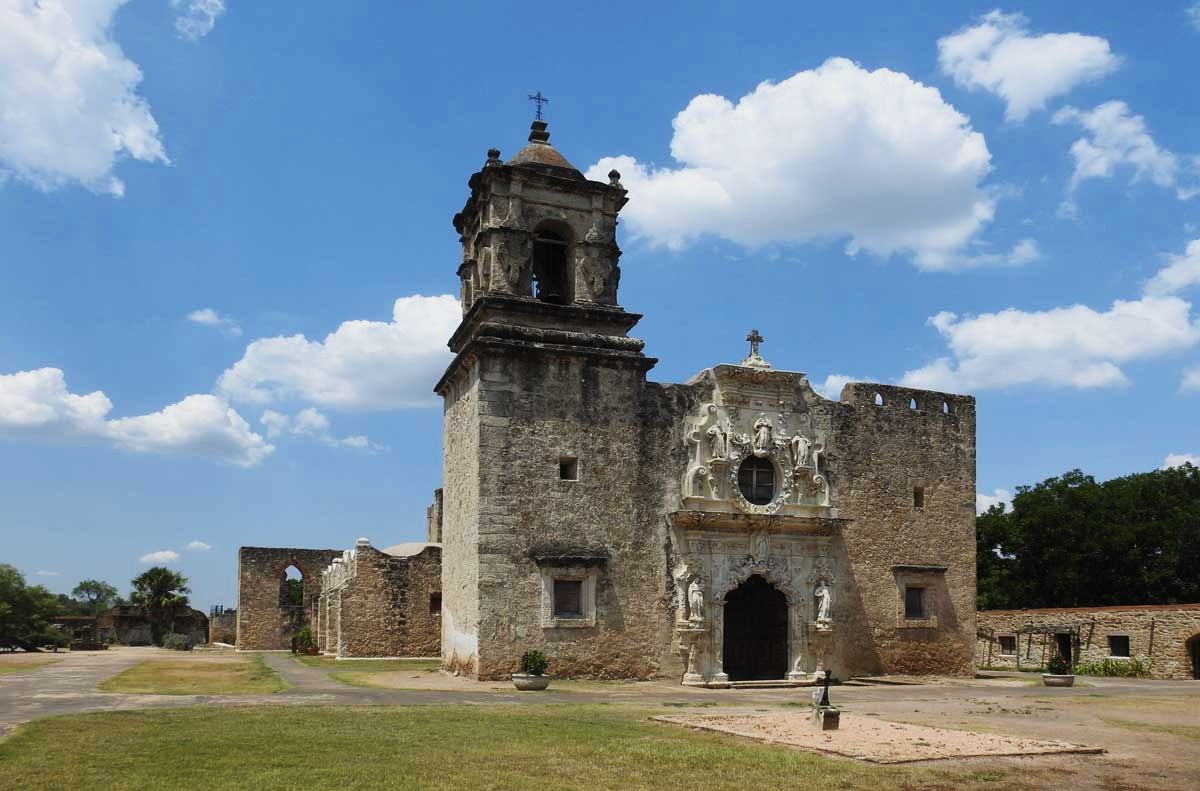
Have you ever wondered what makes Mission San Jose in Texas so special? This historic site, often called the "Queen of the Missions," offers a glimpse into the past with its stunning stone forts and rich history. Built in the 18th century, Mission San Jose served as a community hub for Spanish settlers and Native Americans. Today, visitors can explore its well-preserved structures, including the iconic church, granary, and living quarters. The intricate carvings and detailed architecture showcase the craftsmanship of the time. Whether you're a history buff or just looking for a unique day trip, Mission San Jose promises an unforgettable experience.
Discover the Rich History of Mission San Jose
Mission San Jose, located in San Antonio, Texas, is a historical gem. Known as the "Queen of the Missions," it offers a glimpse into the past with its stunning stone forts and rich cultural heritage. Let's explore some of the most fascinating spots within this historic site.
The Majestic Church
The church at Mission San Jose is a masterpiece of Spanish colonial architecture. Its intricate carvings and grand facade are a testament to the craftsmanship of the time.
- Rose Window: This iconic window is a symbol of the mission. Its detailed design and mysterious origins captivate visitors.
- Main Altar: The altar, adorned with religious icons and gold leaf, is a focal point for worship and reflection.
- Bell Tower: Climb up to the bell tower for a panoramic view of the mission grounds and surrounding area.
The Living Quarters
The living quarters at Mission San Jose provide insight into the daily lives of the mission's inhabitants. These areas were essential for the community's survival and growth.
- Convento: This building housed the Franciscan friars who managed the mission. Its long corridors and simple rooms reflect their austere lifestyle.
- Indian Quarters: These rooms were home to the Native Americans who lived and worked at the mission. They offer a glimpse into their adaptation to mission life.
- Granary: This storage area was crucial for keeping food supplies safe and dry. Its thick walls and small windows helped maintain a stable environment.
The Defensive Structures
Mission San Jose was not just a place of worship and community; it was also a fortress. The stone forts and walls were built to protect its inhabitants from potential threats.
- Outer Walls: These massive walls encircle the mission, providing a formidable barrier against invaders.
- Bastions: Positioned at the corners of the mission, these defensive structures allowed guards to keep watch and defend the mission.
- Gatehouse: The main entrance to the mission, this fortified gate controlled access and provided additional security.
The Flourishing Gardens
The gardens at Mission San Jose were vital for providing food and medicinal plants. They also added beauty and tranquility to the mission grounds.
- Orchard: Fruit trees provided fresh produce for the mission's inhabitants. The orchard is a peaceful place to stroll and enjoy nature.
- Herb Garden: This garden was used to grow medicinal herbs. It showcases the knowledge and resourcefulness of the mission's residents.
- Irrigation Ditches: Ingenious irrigation systems, known as acequias, were used to water the gardens. These ditches are a marvel of early engineering.
The Educational Spaces
Education was an important aspect of life at Mission San Jose. The mission aimed to teach both religious and practical skills to its residents.
- Schoolhouse: This building served as a classroom for children and adults. Lessons included reading, writing, and religious instruction.
- Workshops: Various workshops were used to teach trades such as blacksmithing, carpentry, and weaving. These skills were essential for the mission's self-sufficiency.
- Library: Though small, the mission's library contained valuable religious texts and educational materials.
Mission San Jose's stone forts and structures tell a story of resilience, faith, and community. Each corner of this historic site offers a unique glimpse into the past, making it a must-visit destination for history enthusiasts and curious travelers alike.
Why Mission San Jose's Stone Forts Matter
Mission San Jose's stone forts offer a glimpse into Texas's rich history. These structures, built in the 18th century, showcase the craftsmanship and resilience of the Spanish settlers and Native Americans. Walking through the mission, you can almost feel the stories of the past come alive. The architecture, with its detailed carvings and sturdy walls, stands as a testament to the blending of cultures and the strategic importance of the area.
Visiting Mission San Jose isn't just about seeing old buildings. It's about connecting with a piece of history that shaped the region. Whether you're a history buff or just looking for a unique experience, the stone forts provide a fascinating look into the past. Don't miss the chance to explore this historical gem and appreciate the legacy it represents.
