

Secrets Of Texas’s Comanche Frontier Forts
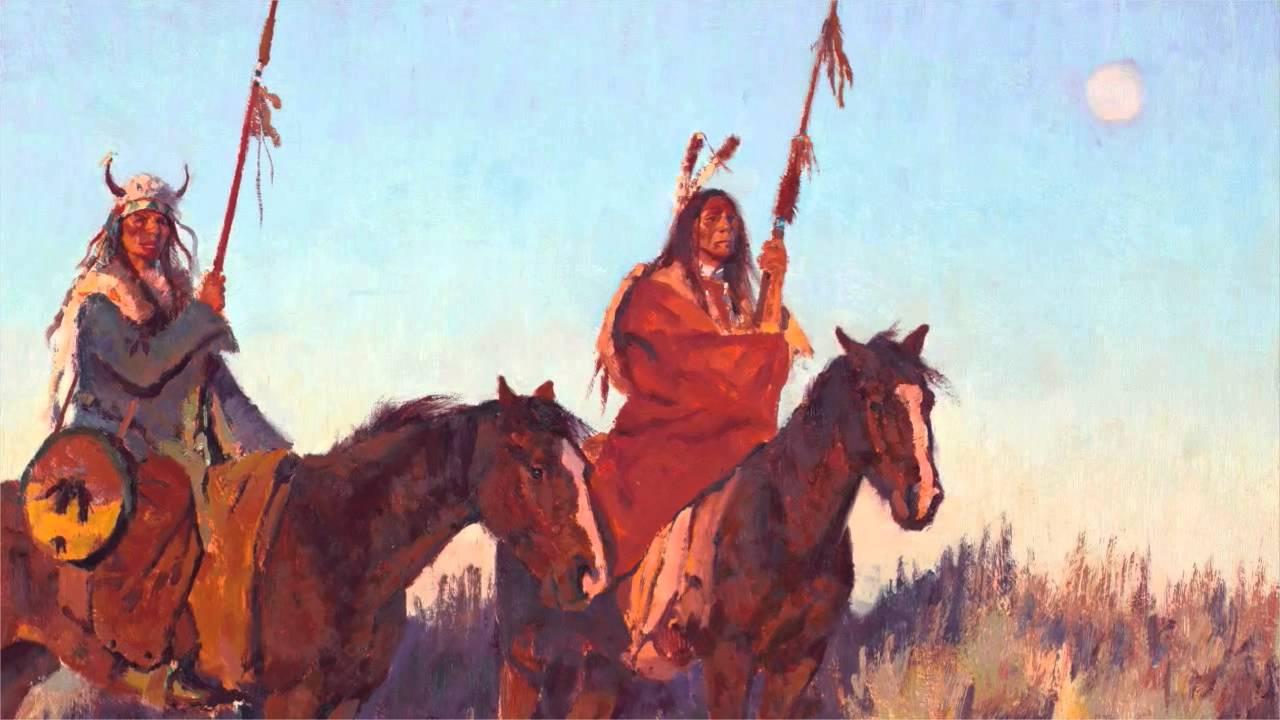
Ever wondered what life was like on the Texas frontier? Comanche Frontier Forts offer a glimpse into the past, where soldiers and settlers faced daily challenges. These forts, scattered across Texas, served as protection against Comanche raids and provided a safe haven for pioneers. Visiting these historic sites, you can almost hear the echoes of history in the wind. From Fort Richardson to Fort Griffin, each location has unique stories and artifacts. Whether you're a history buff or just curious, exploring these forts can be an exciting adventure. Ready to step back in time and experience the rugged life of the Texas frontier?
Secrets of Texas's Comanche Frontier Forts
Texas's frontier forts hold tales of bravery, conflict, and survival. These forts were built to protect settlers from Comanche raids and played a crucial role in shaping the state's history. Let's uncover the secrets of these historic sites.
Fort Griffin: The Wild West Outpost
Fort Griffin, established in 1867, was a key player in the Indian Wars. Located near the Clear Fork of the Brazos River, it became a bustling hub for soldiers, buffalo hunters, and outlaws.
- Fort Griffin State Historic Site: Explore the ruins and learn about the fort's role in the Red River War. The visitor center offers exhibits on frontier life and the Comanche.
Fort Richardson: A Frontier Stronghold
Fort Richardson, built in 1867, was the northernmost fort in Texas. It served as a base for military campaigns against the Comanche and Kiowa tribes.
- Fort Richardson State Park: Walk through restored buildings, including the hospital and officer's quarters. The park also offers hiking trails and camping facilities.
Fort Concho: A National Historic Landmark
Fort Concho, established in 1867, was one of the best-preserved frontier forts. It played a significant role in protecting settlers and trade routes from Comanche attacks.
- Fort Concho National Historic Landmark: Visit the museum and explore the original buildings. Special events and reenactments bring the fort's history to life.
Fort Davis: Guardian of the West
Fort Davis, founded in 1854, was strategically located to protect emigrants, mail coaches, and freight wagons on the San Antonio-El Paso Road.
- Fort Davis National Historic Site: Discover the fort's history through exhibits and guided tours. The site includes restored buildings and hiking trails in the Davis Mountains.
Fort McKavett: A Frontier Gem
Fort McKavett, established in 1852, is known for its well-preserved limestone buildings. It served as a key military post during the Indian Wars.
- Fort McKavett State Historic Site: Explore the barracks, hospital, and officers' quarters. The site offers educational programs and living history events.
Fort Phantom Hill: A Mysterious Ruin
Fort Phantom Hill, built in 1851, is one of the most intriguing frontier forts. Despite its short lifespan, it left behind hauntingly beautiful ruins.
- Fort Phantom Hill Historic Site: Wander through the remains of stone buildings and chimneys. Interpretive signs provide insights into the fort's history and the challenges faced by its occupants.
Fort Lancaster: A Desert Outpost
Fort Lancaster, established in 1855, was built to protect travelers on the San Antonio-El Paso Road. It played a vital role in securing the western frontier.
- Fort Lancaster State Historic Site: Visit the visitor center and explore the ruins of the fort. The site offers panoramic views of the Pecos River Valley and interpretive trails.
Fort Belknap: A Frontier Defense
Fort Belknap, founded in 1851, was the northern anchor of a line of forts protecting settlers from Comanche raids. It served as a vital supply depot and military post.
- Fort Belknap Historic Site: Tour the reconstructed buildings and learn about the fort's history. The site hosts annual events, including reenactments and educational programs.
Fort Clark: A Cavalry Post
Fort Clark, established in 1852, was a key cavalry post during the Indian Wars. It played a significant role in protecting settlers and maintaining peace on the frontier.
- Fort Clark Springs: Explore the historic buildings and enjoy recreational activities. The site includes a museum, swimming pool, and hiking trails.
Fort Stockton: A Desert Oasis
Fort Stockton, founded in 1859, was built to protect travelers and settlers in the arid West Texas region. It became an important military post during the Indian Wars.
- Fort Stockton Historic Site: Visit the museum and explore the restored buildings. The site offers insights into the fort's history and the challenges faced by soldiers stationed there.
Discovering Texas's Frontier Forts
Texas's Comanche Frontier Forts offer a unique glimpse into the past. These forts, scattered across the state, tell stories of bravery, conflict, and survival. Visiting these historic sites, you can almost hear the echoes of soldiers and settlers who once walked these grounds. Each fort has its own tale, from Fort Griffin's bustling trade post to Fort Richardson's strategic military importance.
Exploring these forts isn't just about history. It's about understanding the land and the people who shaped it. The rugged landscapes, the preserved buildings, and the artifacts all paint a vivid picture of life on the frontier. Whether you're a history buff or just looking for an adventure, these forts provide a rich, educational experience.
Plan your trip, pack your curiosity, and step back in time. Texas's Comanche Frontier Forts await your discovery.
