

Secrets Of Texas’s Bracken Cave Bat Colonies
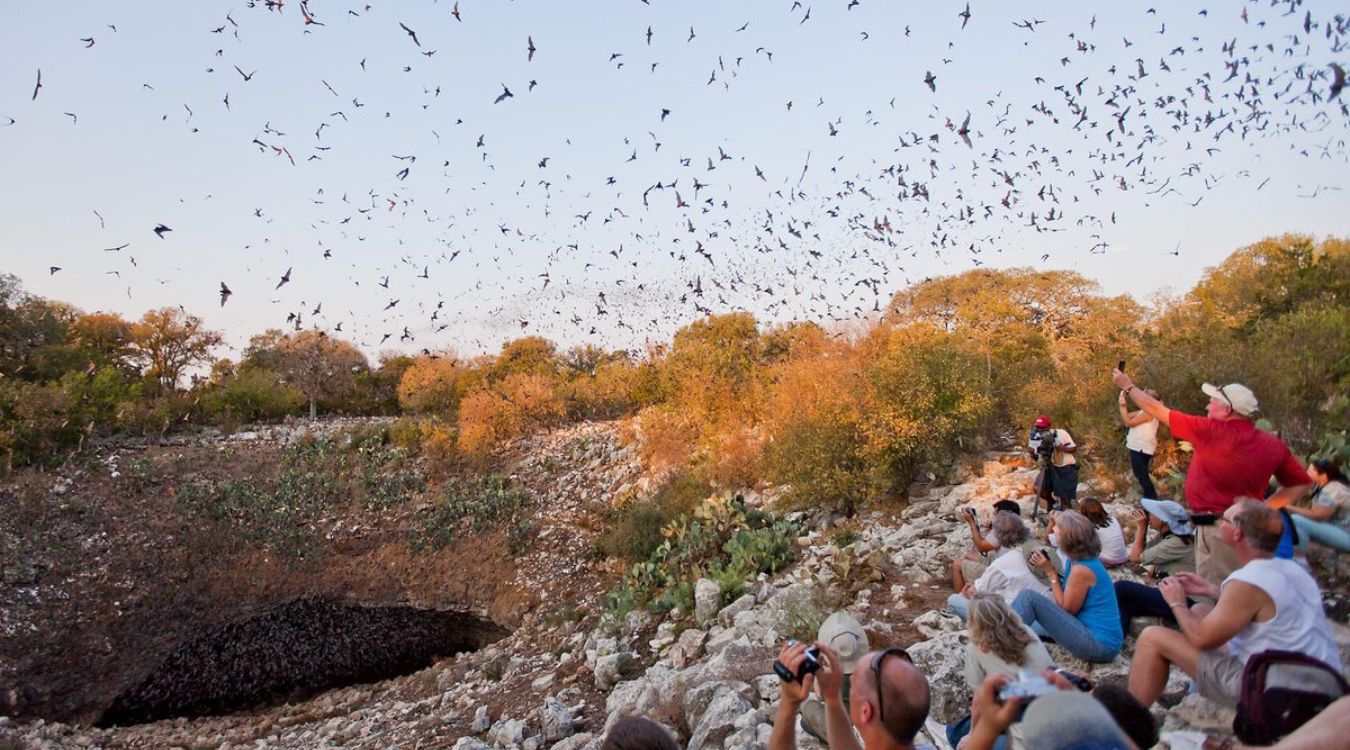
Have you ever wondered where the largest bat colony in the world resides? Look no further than Bracken Cave in Texas. This cave is home to millions of Mexican free-tailed bats. Every evening from March to October, these bats emerge in a spectacular display, creating a natural wonder you won't want to miss. The sight of millions of bats taking flight is both mesmerizing and unforgettable. Whether you're a nature enthusiast or just curious, visiting Bracken Cave offers a unique experience. Ready to learn more about this incredible bat colony and how you can witness it firsthand? Let's dive in!
Secrets of Texas's Bracken Cave Bat Colonies
Texas is home to one of nature's most incredible spectacles: the Bracken Cave bat colonies. These colonies house millions of Mexican free-tailed bats, creating a mesmerizing display as they emerge each evening. Let's uncover some secrets about these fascinating creatures and their unique habitat.
Why Bracken Cave is Special
Bracken Cave, located near San Antonio, is the summer home to the largest bat colony in the world. The cave's unique environment provides the perfect conditions for these bats to thrive. Here are some reasons why Bracken Cave stands out:
- Largest Bat Colony: Bracken Cave hosts over 15 million bats during peak season, making it the largest known bat colony globally.
- Incredible Emergence: Each evening, millions of bats exit the cave in a swirling vortex, creating a breathtaking natural phenomenon.
- Vital Ecosystem Role: These bats consume tons of insects nightly, playing a crucial role in controlling pest populations and supporting local agriculture.
The Life Cycle of Bracken Cave Bats
Understanding the life cycle of these bats can provide insight into their behavior and the importance of their habitat. Here are key stages in their life cycle:
- Mating Season: Bats mate in the fall before migrating to Bracken Cave for the summer.
- Pup Birth: Female bats give birth to a single pup in June, with the young bats growing rapidly.
- Flight Training: By late July, pups begin to fly and hunt insects, preparing for their eventual migration.
Conservation Efforts
Preserving Bracken Cave and its bat colonies is vital for maintaining ecological balance. Several organizations work tirelessly to protect this natural wonder. Here are some key conservation efforts:
- Bat Conservation International (BCI): BCI manages Bracken Cave, ensuring the bats' habitat remains undisturbed.
- Habitat Protection: Efforts include land acquisition around the cave to prevent development and maintain a safe environment for the bats.
- Public Education: Programs and tours educate the public about the importance of bats and their role in the ecosystem.
Visiting Bracken Cave
For those eager to witness this natural spectacle, visiting Bracken Cave can be an unforgettable experience. Here are some tips for planning your visit:
- Tour Reservations: Tours are available through BCI, but reservations are required due to the sensitive nature of the habitat.
- Best Viewing Times: The best time to visit is from May to October, with the peak emergence occurring just after sunset.
- What to Bring: Binoculars, a camera, and insect repellent can enhance your viewing experience.
Fascinating Bat Facts
Bats are often misunderstood creatures. Learning more about them can foster appreciation and respect. Here are some intriguing facts about the Bracken Cave bats:
- Echolocation: Bats use echolocation to navigate and hunt insects in complete darkness.
- Long Lifespan: Despite their small size, bats can live up to 20 years in the wild.
- Social Creatures: Bats are highly social, often forming tight-knit colonies that work together for survival.
The Impact of Bats on Agriculture
Bats play a significant role in supporting agriculture by controlling insect populations. Here are some ways they benefit farmers:
- Pest Control: Bats consume vast numbers of crop-damaging insects, reducing the need for chemical pesticides.
- Pollination: Some bat species pollinate plants, contributing to the production of fruits and seeds.
- Economic Value: By reducing pest populations, bats save farmers millions of dollars annually in crop protection costs.
Challenges Facing Bracken Cave Bats
Despite their importance, Bracken Cave bats face several threats. Understanding these challenges can help in their conservation. Here are some of the main issues:
- Habitat Loss: Urban development and land use changes threaten the bats' natural habitat.
- Climate Change: Altered weather patterns can affect the bats' food supply and migration patterns.
- Human Disturbance: Increased human activity near the cave can disrupt the bats' natural behavior and breeding cycles.
The Magic of Bracken Cave
Bracken Cave in Texas offers a unique experience. Home to millions of Mexican free-tailed bats, it’s a sight you won't forget. Watching these bats take flight at dusk is like seeing a natural wonder. The cave is not just a tourist spot; it’s a vital part of the ecosystem. These bats help control insect populations, benefiting local agriculture.
Visiting Bracken Cave supports conservation efforts. It’s a chance to learn about these amazing creatures and their role in nature. Remember to book your visit in advance, as spots fill up quickly. Bring a camera, but more importantly, bring your sense of wonder.
Whether you're a nature lover or just looking for something different, Bracken Cave is worth the trip. It’s a reminder of the incredible wildlife that exists right in our backyard. Don’t miss out on this extraordinary experience.
