

Secrets Of Texas’s Big Bend Observatory Meteorology Stations
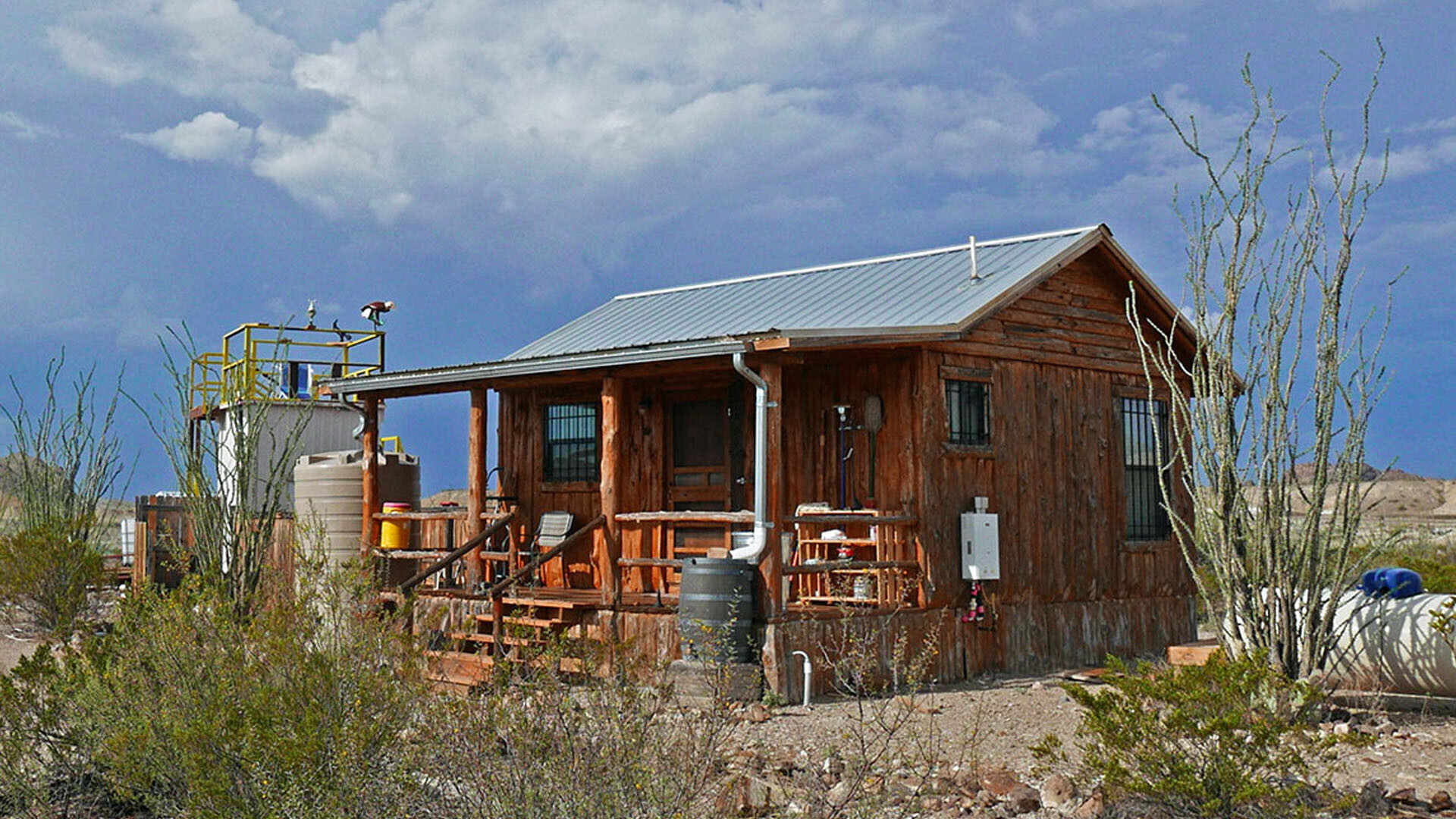
Have you ever wondered what makes Big Bend Observatory in Texas so special? This hidden gem offers more than just stunning views of the night sky. Located in one of the most remote areas of the state, the observatory provides a unique opportunity to experience the wonders of the universe without the interference of city lights. But that's not all. The meteorology stations at Big Bend play a crucial role in understanding the local climate and weather patterns. These stations help scientists gather valuable data, making it an essential spot for both astronomy enthusiasts and weather buffs. Whether you're a stargazer or a science lover, Big Bend Observatory has something for everyone.
Secrets of Texas's Big Bend Observatory Meteorology Stations
Big Bend National Park in Texas is a treasure for stargazers and weather enthusiasts alike. The park's observatories and meteorology stations offer unique insights into the cosmos and the climate. Let's explore some of these fascinating spots.
Stargazing at Big Bend
Big Bend is renowned for its dark skies, making it a prime location for stargazing. Here are some top spots to catch a glimpse of the universe.
McDonald Observatory
Located in the Davis Mountains, McDonald Observatory is a world-class facility. It offers public star parties, solar viewings, and guided tours. The observatory's powerful telescopes provide stunning views of planets, stars, and galaxies.Panther Junction Visitor Center
This visitor center is a great starting point for stargazing. It offers educational programs and has telescopes available for public use. The clear, dark skies around Panther Junction make it an ideal spot for night sky observations.Chisos Basin
Nestled in the heart of Big Bend, Chisos Basin offers breathtaking views of the night sky. The high elevation and remote location reduce light pollution, providing an excellent stargazing experience.
Meteorology Stations in Big Bend
Big Bend's meteorology stations play a crucial role in studying the park's unique climate. These stations help scientists understand weather patterns and climate change in the region.
Persimmon Gap Weather Station
Located at the northern entrance of Big Bend, this station monitors temperature, humidity, and wind speed. The data collected here helps predict weather patterns and provides valuable information for park management.Rio Grande Village Weather Station
Situated near the Rio Grande River, this station tracks river levels, precipitation, and temperature. The information gathered is essential for flood forecasting and managing water resources in the park.Chisos Basin Weather Station
This station, located in the Chisos Mountains, records data on temperature, precipitation, and wind. The high elevation provides unique insights into the weather patterns at different altitudes within the park.
Educational Programs and Tours
Big Bend offers various educational programs and tours that highlight the importance of its observatories and meteorology stations. These programs provide visitors with a deeper understanding of the park's natural wonders.
Astronomy Programs at McDonald Observatory
McDonald Observatory offers a range of educational programs, including star parties, solar viewings, and guided tours. These programs are designed to educate visitors about astronomy and the importance of dark skies.Ranger-Led Weather Programs
Park rangers at Big Bend lead educational programs focused on the park's weather and climate. These programs often include demonstrations and hands-on activities, making them engaging for visitors of all ages.Guided Tours of Meteorology Stations
Some meteorology stations in Big Bend offer guided tours, providing visitors with an inside look at how weather data is collected and used. These tours are a great way to learn about the science behind weather forecasting and climate research.
Conclusion
Big Bend National Park's observatories and meteorology stations offer a unique blend of stargazing and weather observation. Whether you're an astronomy enthusiast or a weather buff, these spots provide a fascinating glimpse into the natural world.
Final Look at Big Bend Observatory
Big Bend Observatory offers more than just stunning views of the night sky. Its meteorology stations provide valuable data on weather patterns, helping scientists understand climate changes in the region. This information is crucial for both researchers and visitors who want to plan their trips around the best weather conditions. The observatory's unique location in Texas makes it an ideal spot for both stargazing and studying meteorological phenomena. Whether you're an amateur astronomer or a weather enthusiast, Big Bend has something to offer. The combination of clear skies and advanced meteorological equipment makes it a must-visit for anyone interested in the natural world. So, next time you're in Texas, make sure to check out Big Bend Observatory. You'll leave with a deeper appreciation for both the stars above and the weather patterns that shape our world.
