

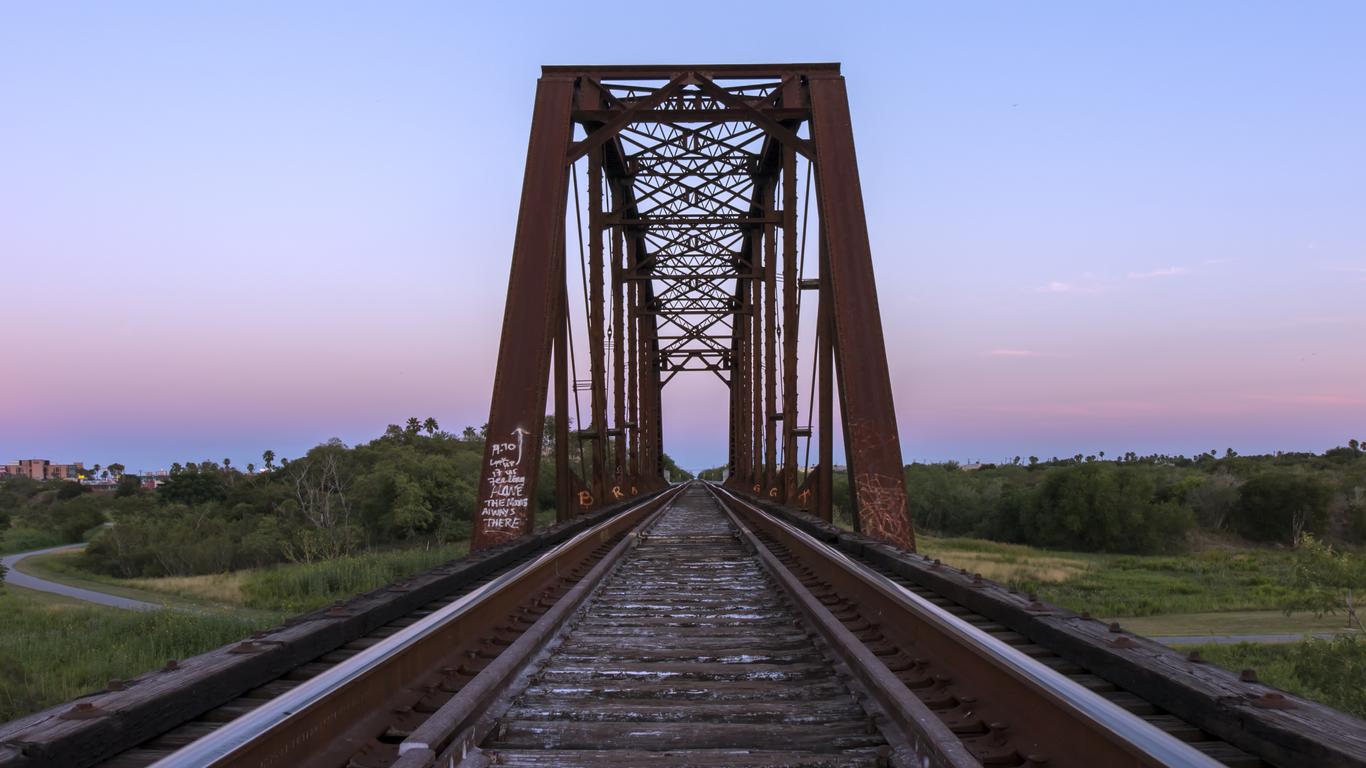
Harlingen, Texas, is 28 miles from the Mexican border. That short drive to Brownsville makes crossing into Mexico a straightforward day trip, though the city itself is landlocked and 30 miles west of the Gulf of Mexico.
Geographical Location of Harlingen
Harlingen is nestled in the heart of the Rio Grande Valley, a fertile and picturesque region in southern Texas. Located in Cameron County, it is positioned at approximately 26.19 degrees latitude and -97.70 degrees longitude.
The city is surrounded by a diverse landscape comprising agricultural fields, citrus orchards, and lush greenery. The nearby Arroyo Colorado River meanders through the area, adding to the natural beauty of Harlingen. The Gulf of Mexico lies just 30 miles to the east, offering residents and visitors alike easy access to stunning beaches and coastal activities.
Harlingen's convenient location makes it an ideal starting point for exploring both the Texas coastline and the Mexican border. The city's proximity to major highways, such as Interstate 2 and Highway 77, further enhances its accessibility and connectivity to other parts of the state.
When it comes to the nearest border crossing, Harlingen is approximately 28 miles away from Brownsville, one of the major cities along the Rio Grande Valley sector of the Mexican border. Brownsville, located approximately 28 miles southeast of Harlingen, holds the distinction of being the southernmost city in Texas. This short drive makes crossing into Mexico a straightforward day trip for those interested in exploring the "hidden secrets in Texas" and beyond.
Despite being a landlocked city, Harlingen is only a short drive away from the coastal city of South Padre Island, a popular tourist destination known for its pristine beaches, water sports, and vibrant nightlife. Additionally, Harlingen is a gateway to numerous state parks, wildlife refuges, and birding hotspots located throughout the Rio Grande Valley.
The subtropical climate of Harlingen adds to its allure. With mild winters and hot summers, the city enjoys an average annual temperature of around 74 degrees Fahrenheit. This temperate weather allows for year-round outdoor activities and contributes to the city's reputation as a haven for snowbirds seeking refuge from colder northern climates.
Furthermore, Harlingen is home to a well-developed infrastructure, including schools, hospitals, shopping centers, and entertainment venues. The city's commitment to growth and development has made it a destination of choice for families, retirees, and businesses alike.
Overall, the geographical location of Harlingen offers a combination of natural beauty, accessibility, and proximity to both the coast and the Mexican border. Whether you're seeking outdoor adventures, cultural experiences, or a tranquil lifestyle, Harlingen's location provides an excellent foundation for exploration and discovery.
Location of the Mexican Border
The Mexican border is a significant geographical feature that spans over 1,900 miles, separating the United States and Mexico. It stretches from the Pacific Ocean in the west to the Gulf of Mexico in the east. The border serves as a meeting point between two distinct cultures, creating a vibrant blend of traditions, languages, and cuisines.
Harlingen, Texas, is strategically located in close proximity to the Mexican border. The border region in this area is referred to as the Rio Grande Valley (RGV) sector. The Rio Grande River, aptly named after its grandeur, forms a natural boundary between the two countries along this sector. The Rio Grande serves not only as a political border but also as a source of irrigation for the surrounding agricultural lands.
The Rio Grande Valley sector of the border encompasses several key cities, including McAllen, Brownsville, and Laredo. This region is known for its unique cultural fusion, influenced by both American and Mexican traditions. The border cities in this sector act as gateways for individuals traveling between the two countries, facilitating trade, tourism, and cultural exchange.
Here, the border crossing connects the city to Matamoros, Tamaulipas, in Mexico. With its historical charm and vibrant downtown, Brownsville offers a rich cultural experience that captures the essence of the border region.
Another prominent border city in the Rio Grande Valley sector is McAllen. Situated about 50 miles west of Harlingen, McAllen connects to Reynosa, Tamaulipas, on the Mexican side of the border. Known for its bustling shopping districts and lively atmosphere, McAllen attracts tourists from both sides of the border who come to indulge in retail therapy and enjoy the local cuisine.
Laredo, located roughly 265 miles northwest of Harlingen, is one of the busiest border crossings in the United States. It connects to Nuevo Laredo, Tamaulipas, providing a vital link for trade between the two countries. Laredo holds an annual celebration called "Washington's Birthday Celebration," which showcases the rich cultural heritage of the region.
Overall, the location of the Mexican border in close proximity to Harlingen offers residents and visitors the opportunity to immerse themselves in a vibrant cross-cultural experience. Whether it's exploring border cities, indulging in authentic Mexican cuisine, or witnessing the cultural exchange that takes place daily, the Mexican border is a fascinating and integral part of the Harlingen region.
Distance between Harlingen and the Mexican Border
Harlingen, Texas, is conveniently located near the Mexican border, providing easy access for those looking to explore the cultural richness and vibrant atmosphere of the border region. The distance between Harlingen and different border cities may vary, but the proximity makes it an ideal starting point for border adventures.
This short distance allows for an easy day trip or weekend getaway to experience the bustling streets of Matamoros, Tamaulipas, just across the border.
For those looking to venture further into the border region, McAllen is another popular destination. Located around 50 miles west of Harlingen, McAllen connects to Reynosa, Tamaulipas. The distance between Harlingen and McAllen is easily traversed, making it a convenient choice for shopping, dining, and exploring the Mexican side of the border.
Further northwest from Harlingen, Laredo is one of the busiest border crossings in the entire country. While it is approximately 265 miles away from Harlingen, it is worth mentioning due to the significant trade and cultural exchange that takes place in this city. Travelers from Harlingen can plan a longer trip to explore the distinctive atmosphere, historical landmarks, and unique Tex-Mex fusion of Laredo and its neighboring Mexican counterpart, Nuevo Laredo.
It's important to note that travel distances may vary depending on the route taken and traffic conditions, so it's always a good idea to check for real-time updates before setting out on any border-bound journey. The well-connected road infrastructure of Texas, with major highways such as Interstate 2 and Highway 77, ensures that traveling from Harlingen to the Mexican border is both efficient and convenient.
Whether you're interested in a short visit to the neighboring border cities or an extended exploration of the entire border region, Harlingen's proximity to the Mexican border makes it an excellent starting point for your journey. The relatively short distances between Harlingen and key border cities provide endless opportunities for cultural immersion, culinary delights, and unique experiences that can only be found in the border region.
Transportation Options from Harlingen to the Mexican Border
Traveling from Harlingen, Texas, to the Mexican border is made easy by various transportation options, ensuring a seamless journey for both residents and visitors.
1. Car: The most common and convenient mode of transportation is by car. Harlingen is well-connected to major highways, including Interstate 2 and Highway 77, which provide direct routes to border cities such as Brownsville, McAllen, and eventually Laredo. Traveling by car allows for flexibility in terms of exploring different border crossings and venturing into the Mexican side at your own pace.
2. Bus: For those who prefer not to drive, bus services offer a reliable and affordable option. Several bus companies operate in the region, providing connections to border cities such as Brownsville and McAllen. These services often have multiple daily departures, making it convenient for travelers to plan their border trips.
3. Taxis and Rideshare: Taxis can be hailed from designated stands or called through a phone booking service. Rideshare apps like Uber and Lyft are also popular, allowing passengers to request rides on-demand for a convenient experience.
4. Shuttle Services: Scheduled shuttle services operate between Harlingen and selected border cities. These are often utilized by individuals who prefer a more organized and prearranged mode of transportation, offering a comfortable journey without the stress of driving.
5. Air Travel: Harlingen has its own airport, the Valley International Airport (HRL), which offers domestic flights. From there, travelers can fly to destinations near the Mexican border, such as McAllen or Brownsville, and continue by ground transportation or cross the border on foot.
It's essential to note that when traveling to the Mexican border, you need valid travel documents, such as a passport or other acceptable identification, plus any required visas or permits depending on your nationality.
Regardless of the mode chosen, the journey from Harlingen to the Mexican border is straightforward and accessible. Whether you prefer driving, bus services, shuttles, or air travel, you can easily reach the border region and its cultural attractions. For those interested in broader exploration, the area also connects to other notable destinations like "places in Dallas" and offers "hiking and the outdoors in Texas" for extended adventures.
Conclusion
Harlingen, Texas, offers a prime location for anyone interested in experiencing the vibrant culture and energy of the Mexican border. Situated in the heart of the Rio Grande Valley, Harlingen is just a short distance from various border cities, making it an ideal starting point for border adventures.
This proximity ensures that day trips across the border are entirely feasible.
With its convenient access to major highways, Harlingen provides a gateway to the Mexican border and all the unique experiences it has to offer. Whether you're looking to indulge in the flavors of Mexican cuisine, immerse yourself in the rich cultural heritage of the region, or engage in cross-border trade and commerce, Harlingen's proximity to the border ensures that all these opportunities are within reach.
Whether you choose to travel by car, bus, or even air, a trip from Harlingen to the Mexican border is both convenient and accessible. The well-developed transportation infrastructure ensures that residents and visitors can easily embark on explorations into the border cities such as Brownsville, McAllen, and beyond. For those interested in broader explorations, the region also offers hidden secrets in Texas that are worth uncovering along the way.
From vibrant street markets and colorful festivals to historical landmarks and delicious street food, the Mexican border offers a unique blend of cultures and experiences. The close proximity of Harlingen to the border allows you to fully immerse yourself in the sights, sounds, and flavors of both Texas and Mexico.
So, whether you're seeking a day trip to explore the bustling streets of Matamoros or a longer journey to discover the distinct atmosphere of Laredo, Harlingen serves as an ideal base for your border adventures. The proximity and transportation options available make it easy to indulge in the cultural richness, culinary delights, and cross-border connections of the Mexican border region.
Plan your visit to Harlingen and embark on an unforgettable journey into the vibrant border region. Explore the intertwining cultures, witness the beauty of the Rio Grande River, and immerse yourself in the unique experiences that only the Mexican border can offer.
