

Hidden Artillery Sites Of Texas Palo Duro Canyon
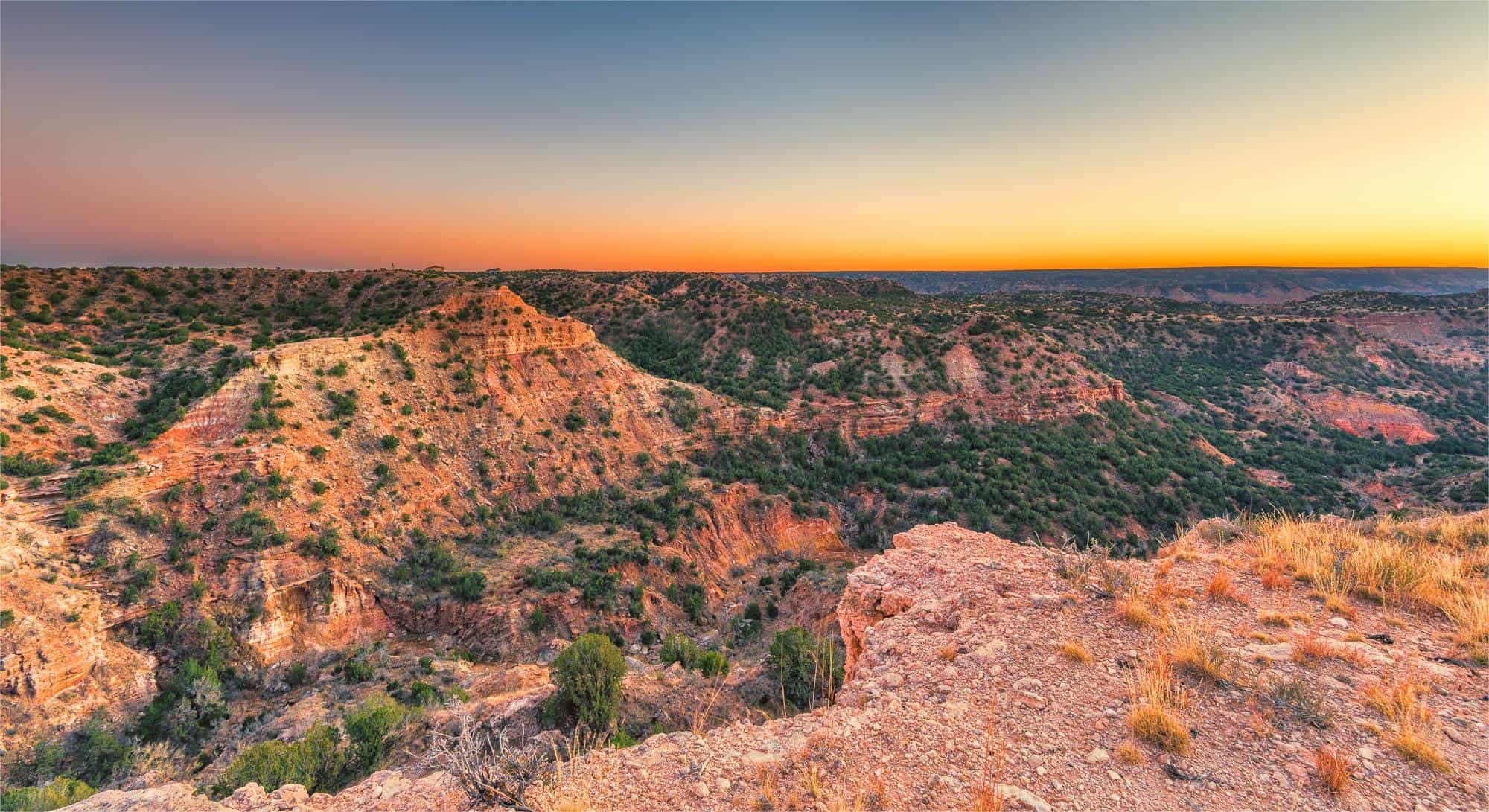
Have you ever wondered about the hidden history of Texas? Palo Duro Canyon holds secrets beyond its stunning landscapes. This second-largest canyon in the United States is not just a natural wonder but also a site with intriguing military history. During World War II, the U.S. Army used parts of the canyon for artillery training. These hidden artillery sites are scattered throughout the area, offering a glimpse into a time when soldiers practiced their skills in this rugged terrain. Exploring these sites adds a layer of adventure to your visit, making it more than just a scenic trip. Ready to uncover the past in Palo Duro Canyon?
Discovering the Hidden Artillery Sites of Texas Palo Duro Canyon
Palo Duro Canyon, often called the "Grand Canyon of Texas," is a treasure trove of natural beauty and historical intrigue. Among its many secrets are hidden artillery sites that tell stories of past conflicts and strategic defenses. Let's uncover these fascinating locations.
1. Fortress Bluff
Fortress Bluff offers a panoramic view of the canyon, making it an ideal spot for artillery placement. The natural elevation provided a strategic advantage for monitoring enemy movements.
- Historical Significance: Used during early conflicts to protect settlers.
- Current State: Remnants of old artillery placements can still be seen.
2. Sentinel Peak
Sentinel Peak stands tall as a natural lookout point. Its height made it a prime location for artillery to guard against invasions.
- Historical Significance: Key defensive position during the Indian Wars.
- Current State: Some old cannons and fortifications remain.
3. Red Rock Ridge
Red Rock Ridge, with its striking red sandstone formations, served as a natural fortress. Artillery placements here were well-camouflaged and difficult for enemies to spot.
- Historical Significance: Used by both Native American tribes and settlers.
- Current State: Erosion has revealed some hidden artillery sites.
4. Canyon Rim
The Canyon Rim provided a sweeping view of the surrounding area, making it a strategic location for artillery. This vantage point allowed defenders to spot approaching threats from miles away.
- Historical Significance: Played a crucial role in several skirmishes.
- Current State: Some artillery emplacements are still visible.
5. Hidden Valley
Hidden Valley, true to its name, concealed artillery placements that were crucial in surprise attacks. The natural cover provided by the valley made it an excellent defensive position.
- Historical Significance: Used for ambushes and surprise defenses.
- Current State: Artillery remnants are hidden among the vegetation.
6. Eagle's Nest
Eagle's Nest, perched high above the canyon floor, offered a bird's-eye view of the area. Artillery placements here could control large swathes of the canyon.
- Historical Significance: Vital during the Red River War.
- Current State: Some artillery pieces are still intact.
7. Soldier's Pass
Soldier's Pass, a narrow passage through the canyon, was a strategic choke point. Artillery placements here could effectively control movement through the canyon.
- Historical Significance: Key defensive position during various conflicts.
- Current State: Remains of artillery placements can be found.
8. Whispering Pines
Whispering Pines, with its dense forest cover, provided a hidden location for artillery. The natural camouflage made it difficult for enemies to detect the placements.
- Historical Significance: Used for covert operations and defenses.
- Current State: Some artillery remnants are hidden among the trees.
9. Lone Star Lookout
Lone Star Lookout, with its commanding view of the canyon, was a prime location for artillery. The high ground provided a strategic advantage in defending the area.
- Historical Significance: Played a role in several key battles.
- Current State: Some artillery placements are still visible.
10. Coyote's Den
Coyote's Den, a secluded area within the canyon, served as a hidden artillery site. The natural cover provided by the terrain made it an ideal defensive position.
- Historical Significance: Used for surprise attacks and defenses.
- Current State: Artillery remnants can still be found.
Discovering Texas History in Palo Duro Canyon
Palo Duro Canyon holds more than just stunning landscapes. It hides historical artillery sites that tell stories of Texas' past. Exploring these sites offers a unique glimpse into military history. Walking through the canyon, you can almost hear the echoes of the past. The artillery remnants remind us of the strategic importance this area once held.
Visiting Palo Duro Canyon isn't just about appreciating nature. It's about connecting with history. The hidden artillery sites add a layer of intrigue to your adventure. They make you appreciate the canyon's role in shaping Texas history. Next time you visit, take a moment to reflect on the stories these sites hold. You'll leave with a deeper understanding of both the natural beauty and historical significance of Palo Duro Canyon.
