

Secrets Of Tennessee’s Lost Sea Biology Labs
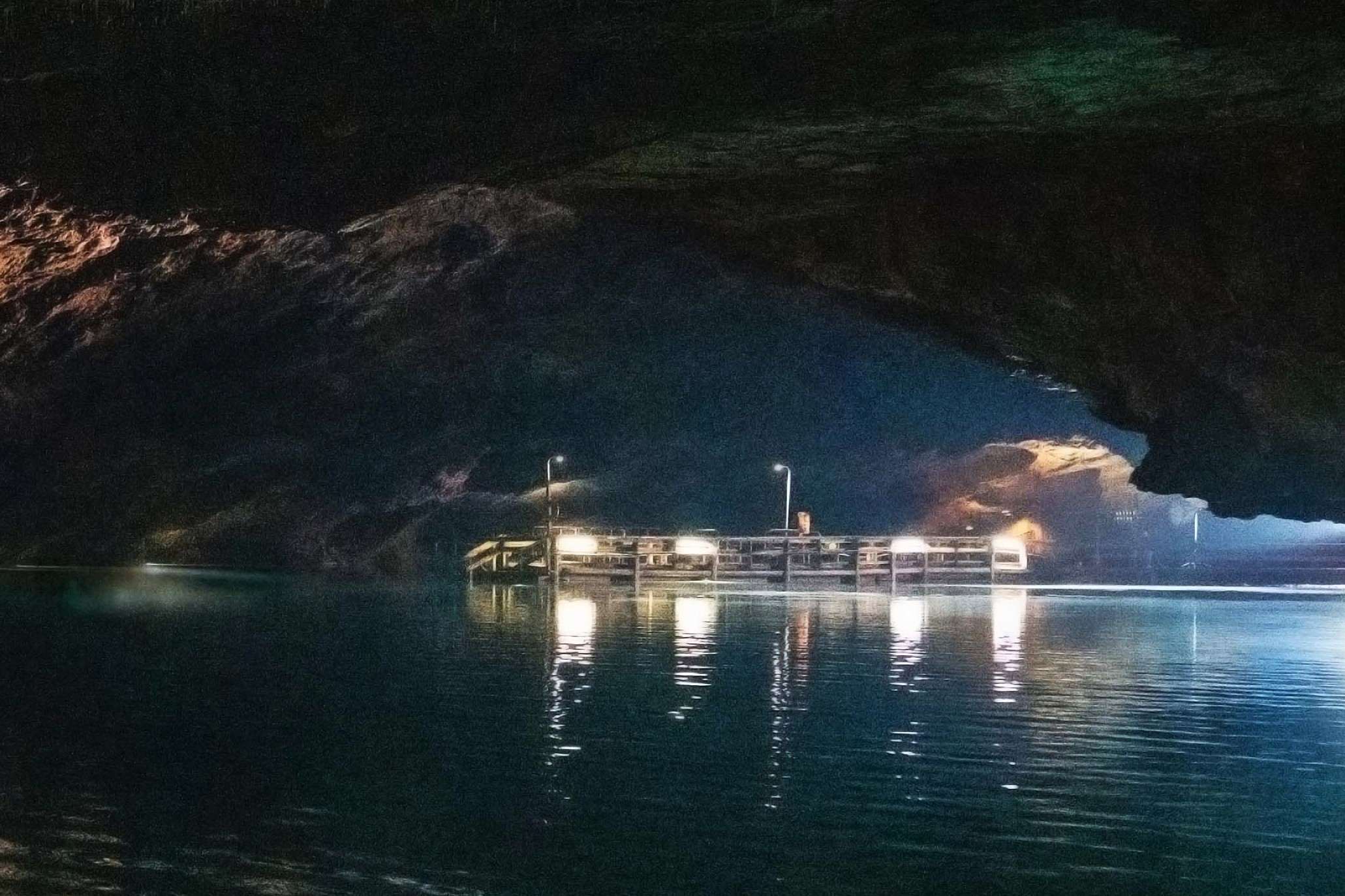
Have you ever wondered what lies beneath the surface of Tennessee's Lost Sea? This hidden gem is not just a tourist attraction but also a hub for fascinating biological research. Scientists from around the world come here to study unique ecosystems and rare species found nowhere else. The Lost Sea offers a glimpse into a world teeming with life, from mysterious cave creatures to ancient fossils. Whether you're a science enthusiast or just curious, exploring the biology labs of the Lost Sea will leave you amazed. Dive into the secrets of this underwater wonder and discover what makes it so special.
Secrets of Tennessee's Lost Sea Biology Labs
Tennessee's Lost Sea is a hidden gem, a vast underground lake with a rich history and unique biological research labs. These labs have contributed significantly to our understanding of subterranean ecosystems. Let's dive into the secrets of these fascinating places.
The Lost Sea Adventure
The Lost Sea Adventure is not just a tourist attraction; it's a gateway to the mysterious world beneath Tennessee. This underground lake, located in Craighead Caverns, is the largest in the United States. The biology labs here have been instrumental in studying the unique species that inhabit this subterranean world.
- Craighead Caverns: Home to the Lost Sea, Craighead Caverns is a network of caves with a rich history. The caverns have been used for various purposes over the years, including as a saltpeter mine during the Civil War. Today, they are a hub for biological research, particularly focusing on the unique species that thrive in this dark, underwater environment.
Unique Species of the Lost Sea
The Lost Sea is home to several unique species that have adapted to life in complete darkness. The biology labs here have been studying these species to understand how they survive and thrive in such an extreme environment.
Blind Cave Fish: One of the most fascinating inhabitants of the Lost Sea is the blind cave fish. These fish have evolved to live without sight, relying on other senses to navigate their dark world. Researchers in the biology labs have been studying these fish to understand how they have adapted to their environment.
Cave Crayfish: Another unique species found in the Lost Sea is the cave crayfish. These crayfish are also blind and have adapted to the nutrient-poor environment of the underground lake. The biology labs have been studying their diet and reproductive habits to gain insights into how they survive in such harsh conditions.
Research and Discoveries
The biology labs at the Lost Sea have made several significant discoveries over the years. These discoveries have not only advanced our understanding of subterranean ecosystems but have also provided valuable insights into the evolution of species.
Microbial Life: One of the most exciting discoveries made by the biology labs is the presence of unique microbial life forms in the Lost Sea. These microbes have adapted to the extreme conditions of the underground lake, and studying them has provided valuable insights into the potential for life in similar environments on other planets.
Adaptation Mechanisms: Researchers have also been studying the adaptation mechanisms of the species living in the Lost Sea. By understanding how these species have evolved to survive in complete darkness and nutrient-poor conditions, scientists hope to gain insights into the broader principles of evolution and adaptation.
The Future of Research at the Lost Sea
The Lost Sea and its biology labs continue to be a vital resource for researchers studying subterranean ecosystems. Ongoing research projects aim to uncover even more secrets of this mysterious underground world.
Climate Change Impact: One of the current research projects focuses on the impact of climate change on the Lost Sea's ecosystem. By studying how changes in temperature and water levels affect the species living in the underground lake, researchers hope to gain insights into the broader impacts of climate change on subterranean ecosystems.
New Species Discovery: The biology labs are also on the lookout for new species that may inhabit the Lost Sea. With each new discovery, researchers gain a deeper understanding of the biodiversity and complexity of subterranean ecosystems.
The Lost Sea's biology labs are a testament to the wonders of nature and the importance of scientific research. These labs continue to uncover the secrets of this hidden world, providing valuable insights into the mysteries of life beneath the surface.
Discover the Wonders of Tennessee's Lost Sea Biology Labs
Tennessee's Lost Sea Biology Labs offer a unique glimpse into a hidden world. The underwater caves and their fascinating ecosystems provide an unforgettable experience. Exploring these labs reveals the intricate balance of nature and the importance of preserving such environments.
Visitors can learn about rare species, witness scientific research in action, and appreciate the beauty of this natural wonder. The Lost Sea's crystal-clear waters and mysterious depths captivate both scientists and tourists alike.
Plan a visit to these remarkable labs to gain a deeper understanding of underwater life. Whether you're a nature enthusiast or just curious, the Lost Sea Biology Labs promise an adventure filled with discovery and awe. Don't miss the chance to uncover the secrets of this hidden gem in Tennessee.
