

Secrets Of Tennessee’s Cave Research Facility
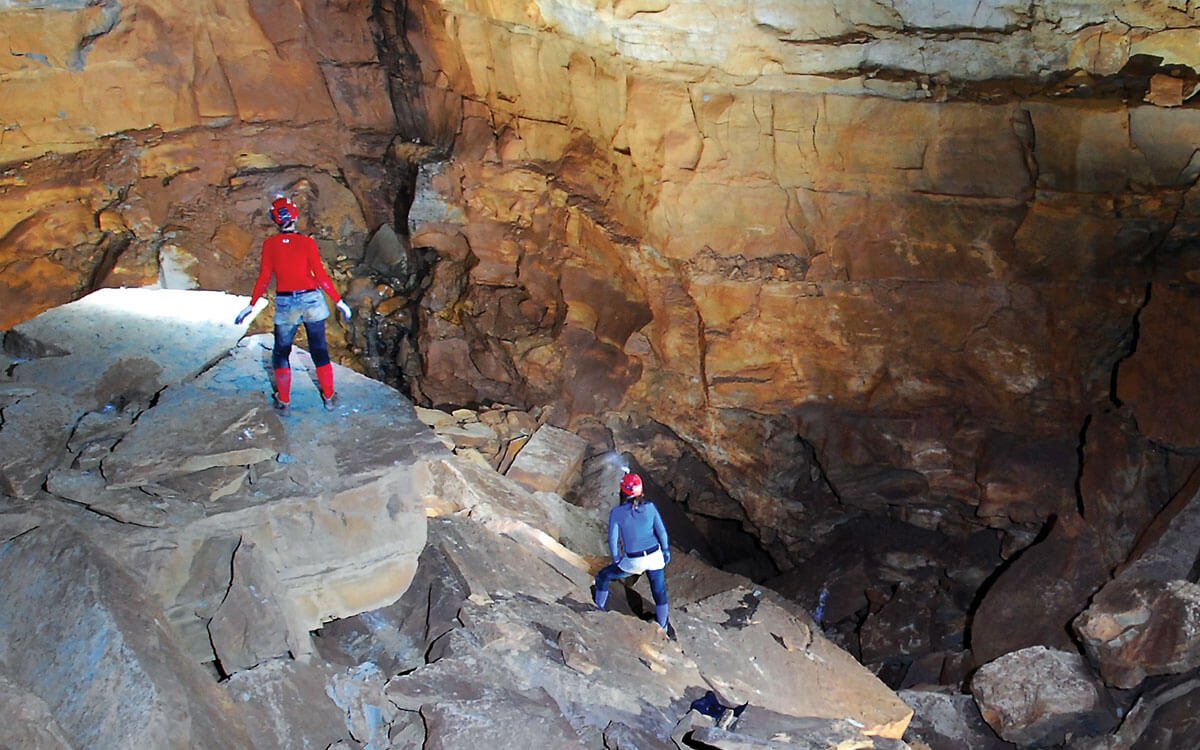
Ever wondered what lies beneath Tennessee's rolling hills? The Tennessee Cave Research Facility holds many secrets waiting to be explored. This hidden gem offers a unique glimpse into the underground world, filled with fascinating rock formations, ancient fossils, and mysterious creatures. Whether you're a seasoned spelunker or just curious about the natural wonders below, this facility provides an unforgettable experience. Learn about the history, geology, and biology that make these caves so special. Ready to uncover the mysteries of Tennessee's underground? Let's dive into the wonders of the Tennessee Cave Research Facility!
Secrets of Tennessee's Cave Research Facility
Tennessee's underground world holds many secrets. The state's cave research facilities offer a unique glimpse into these hidden wonders. From scientific discoveries to natural beauty, these places are worth exploring.
Why Visit Tennessee's Cave Research Facilities?
Tennessee's caves are more than just dark, mysterious places. They are hubs of scientific research, natural beauty, and adventure. Visiting these facilities can be an educational and thrilling experience.
1. Cumberland Caverns
Cumberland Caverns is one of the most extensive cave systems in the United States. It features stunning rock formations, underground waterfalls, and even a concert hall. Scientists study its unique ecosystem, making it a fascinating spot for both researchers and tourists.
2. The Lost Sea
The Lost Sea is America's largest underground lake. Located in Craighead Caverns, it offers boat tours on its crystal-clear waters. Researchers study the cave's rare formations and unique aquatic life, making it a must-see for science enthusiasts.
3. Tuckaleechee Caverns
Known as the "Greatest Site Under the Smokies," Tuckaleechee Caverns boasts some of the tallest underground waterfalls in the eastern U.S. The caverns are a hotspot for geological research, attracting scientists from around the world.
4. Ruby Falls
Ruby Falls is home to the tallest and deepest underground waterfall open to the public in the United States. Located inside Lookout Mountain, it offers guided tours that delve into the cave's history and geology. Researchers often study its unique rock formations and hydrology.
5. Raccoon Mountain Caverns
Raccoon Mountain Caverns offers a variety of tours, from easy walks to challenging spelunking adventures. The caverns are a living laboratory for geologists and biologists, who study its diverse formations and ecosystems.
6. Bell Witch Cave
Bell Witch Cave is famous for its eerie history and paranormal activity. Beyond the ghost stories, the cave is a site of geological interest, with unique formations and a rich history that attracts both scientists and thrill-seekers.
7. Dunbar Cave
Dunbar Cave is not just a natural wonder but also a historical site. Ancient Native American cave art adorns its walls, providing valuable insights for archaeologists and historians. The cave's unique ecosystem also makes it a focus for biological research.
8. Forbidden Caverns
Forbidden Caverns offers a glimpse into the underground world with its impressive stalactites and stalagmites. The cave's constant temperature and unique formations make it a subject of interest for geologists and climate scientists.
9. Appalachian Caverns
Appalachian Caverns provides a variety of tours that showcase its stunning formations and underground streams. The cave is a research site for studying groundwater systems and cave ecosystems, making it a fascinating destination for science lovers.
10. Bristol Caverns
Bristol Caverns features beautiful rock formations and underground rivers. The cave's unique geology and hydrology are subjects of ongoing research, attracting scientists and curious visitors alike.
11. Cherokee Caverns
Cherokee Caverns is known for its beautiful formations and historical significance. The cave has been a site of geological and archaeological research, offering insights into the region's natural and human history.
12. Big Bone Cave
Big Bone Cave is a National Natural Landmark known for its large deposits of saltpeter, used in gunpowder production during the Civil War. The cave's unique mineral formations and historical artifacts make it a fascinating research site.
13. Blue Spring Cave
Blue Spring Cave is one of the longest caves in Tennessee. Its extensive passageways and unique formations are subjects of ongoing geological and biological research, making it a must-visit for science enthusiasts.
14. Craighead Caverns
Craighead Caverns, home to the Lost Sea, offers a unique underground experience. The cave's rare formations and aquatic life are subjects of scientific study, providing valuable insights into subterranean ecosystems.
15. Worley's Cave
Worley's Cave offers a mix of adventure and research opportunities. Its extensive passageways and unique formations attract both spelunkers and scientists, making it a fascinating destination for all.
The Hidden Wonders of Tennessee's Cave Research Facility
Tennessee's Cave Research Facility offers a unique glimpse into the underground world. This place isn't just about rocks and darkness. It's a hub for scientific discovery, exploring geology, biology, and even climate change. Researchers here study rare cave species, ancient formations, and underground water systems. Visitors can learn about the delicate balance of cave ecosystems and the importance of preserving them. The facility also provides educational tours, making it a great spot for curious minds of all ages. Whether you're a science enthusiast or just looking for an unusual adventure, this hidden gem in Tennessee has something to offer. So next time you're in the area, consider a visit. You'll leave with a deeper appreciation for the natural world beneath our feet.
