

Secrets Of South Dakota’s Wind Cave Fossils
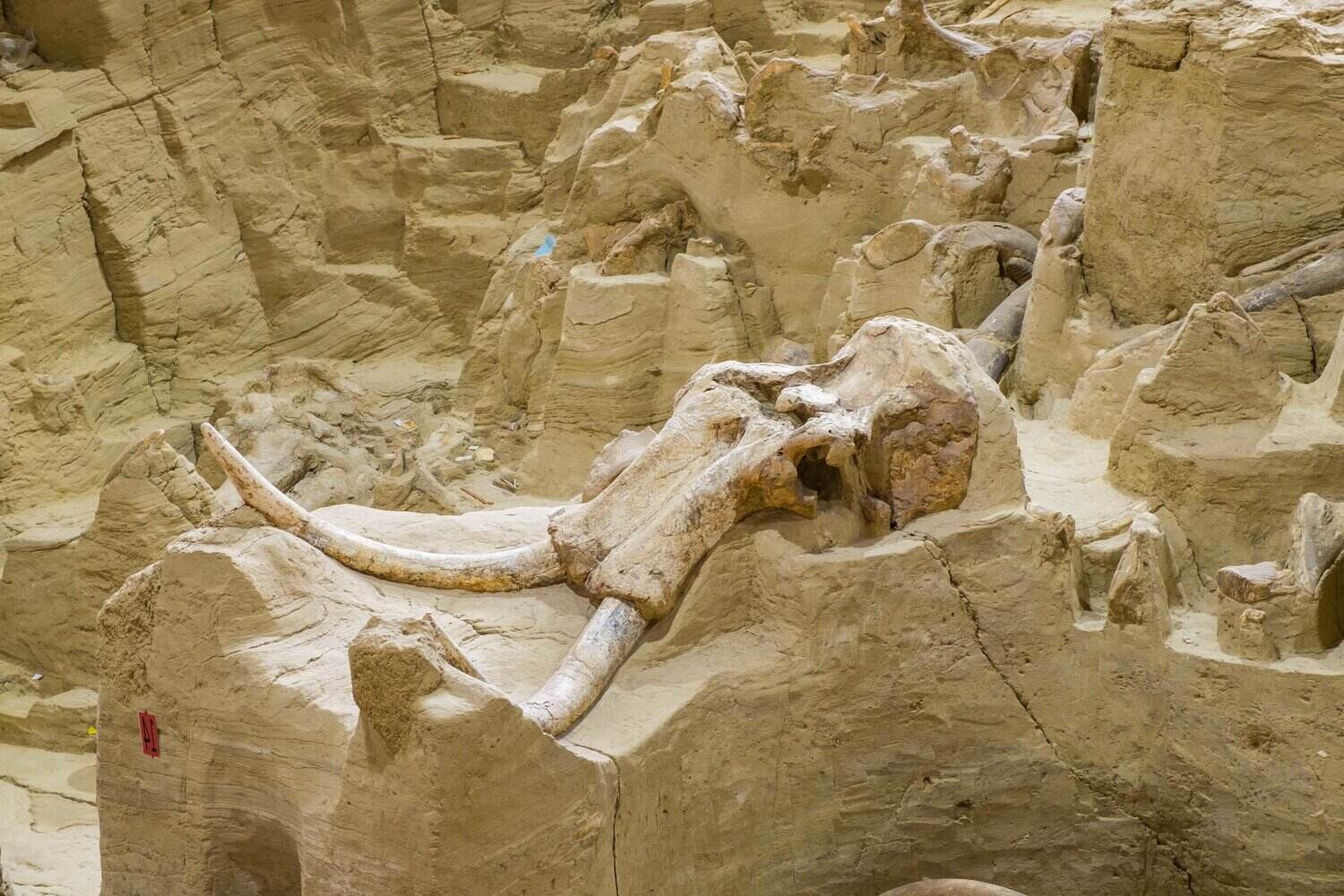
Have you ever wondered what lies beneath the surface of South Dakota's Wind Cave? This hidden gem is not just famous for its intricate cave system but also for its fossils. These ancient remains tell stories of creatures that roamed the earth millions of years ago. From mammoths to saber-toothed cats, the Wind Cave fossils offer a glimpse into a prehistoric world. Imagine walking through the cave and stumbling upon bones that have been untouched for eons. It's like stepping back in time. Ready to learn more about these fascinating finds? Let's dig into the secrets of Wind Cave's ancient past.
Unveiling the Mysteries of Wind Cave National Park
Wind Cave National Park in South Dakota is a treasure trove of geological wonders and ancient secrets. The park is renowned for its intricate cave system, but it also holds a fascinating array of fossils that tell stories of prehistoric life. Let's dive into some of the most intriguing fossil discoveries in Wind Cave.
Ancient Marine Life
Long before the cave formed, the area was submerged under a shallow sea. This marine environment left behind a rich fossil record.
- Brachiopods: These ancient shellfish are among the most common fossils found in the park. Their symmetrical shells provide clues about the marine conditions millions of years ago.
- Trilobites: These extinct marine arthropods roamed the sea floor. Their segmented bodies and distinctive head shields make them a favorite among fossil hunters.
- Crinoids: Often called "sea lilies," these plant-like animals anchored themselves to the sea floor. Their fossilized stems and calyxes are a testament to the diverse marine life that once thrived here.
Prehistoric Land Dwellers
As the sea receded, the land became home to a variety of terrestrial creatures. Fossils from this era offer a glimpse into the park's ancient ecosystems.
- Amphibians: Fossilized remains of early amphibians reveal how these creatures adapted to life both in water and on land. Their bones and footprints are scattered throughout the park.
- Reptiles: Early reptiles left behind fossilized bones and tracks. These fossils help scientists understand the evolution of reptiles and their dominance in prehistoric ecosystems.
Mammalian Marvels
The rise of mammals brought new life forms to the area. Fossils from this period highlight the diversity and adaptability of early mammals.
- Small Mammals: Fossilized teeth and bones of small mammals, such as rodents and insectivores, provide insights into their diets and behaviors.
- Large Mammals: Remains of larger mammals, including ancient bison and mammoths, paint a picture of the park's more recent prehistoric past. These fossils reveal how these giants roamed the landscape and interacted with their environment.
Plant Fossils
Not only animals, but plants also left their mark on Wind Cave. Fossilized plants offer a window into the ancient flora that once covered the region.
- Ferns: Fossilized fronds of ancient ferns indicate the presence of lush, swampy environments. These plants thrived in the humid conditions of prehistoric South Dakota.
- Conifers: Fossilized cones and needles from ancient conifer trees suggest that forests once blanketed the area. These trees played a crucial role in the park's ancient ecosystems.
Ice Age Relics
The Ice Age brought dramatic changes to the landscape. Fossils from this period reveal how life adapted to the colder climate.
- Mammoths: Fossilized bones and teeth of mammoths provide evidence of these massive creatures' presence in the park. Their remains offer clues about their diet and migration patterns.
- Saber-toothed Cats: Fossilized remains of these fearsome predators highlight their role in the Ice Age food chain. Their distinctive teeth and powerful limbs make them one of the most iconic prehistoric animals.
Fossil Hunting Tips
For those eager to explore Wind Cave's fossil treasures, here are some tips to enhance your experience.
- Guided Tours: Join a guided tour to learn from experts about the park's geology and fossil history. Rangers can point out significant fossil sites and share fascinating stories.
- Respect the Rules: Always follow park regulations when fossil hunting. Collecting fossils is prohibited, but you can take photos and make sketches to document your discoveries.
- Bring the Right Gear: Equip yourself with a good pair of hiking boots, a hat, and plenty of water. A magnifying glass and a field guide can also enhance your fossil-hunting adventure.
Discovering Wind Cave's Hidden Treasures
Wind Cave in South Dakota offers more than just stunning underground formations. The fossils found here tell stories of ancient creatures that roamed the area millions of years ago. Exploring these fossils gives a glimpse into the past, making it a must-visit for history buffs and nature lovers alike.
The cave's unique geology and rich fossil record make it a fascinating destination. Whether you're a seasoned explorer or a curious traveler, Wind Cave has something to offer. The park's guided tours provide an educational experience, shedding light on the cave's natural wonders and historical significance.
Plan a trip to Wind Cave to uncover its hidden treasures. The experience promises to be both educational and awe-inspiring, leaving you with a deeper appreciation for the natural world and its ancient history.
