

Secrets Of South Dakota’s Jewel Cave Paleontology
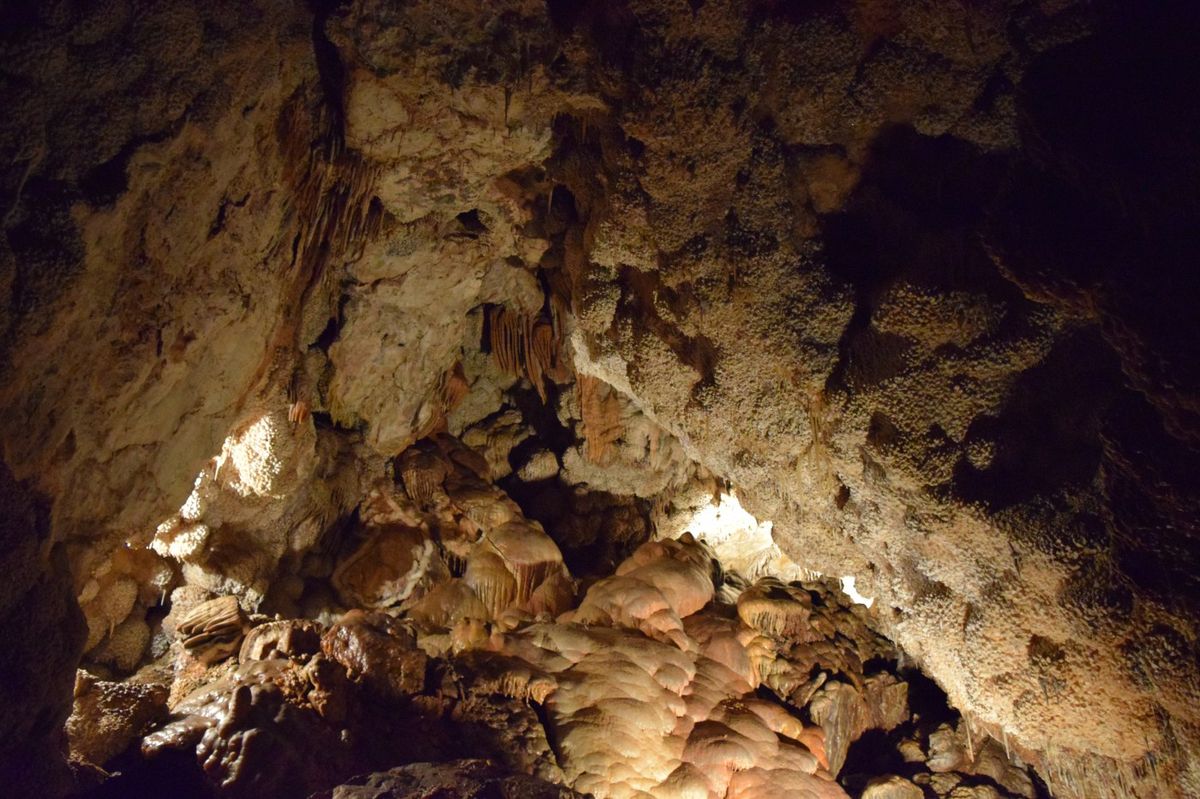
Have you ever wondered what lies beneath the surface of South Dakota? Jewel Cave is not just a stunning underground wonder; it's also a treasure trove for paleontologists. This cave, the third longest in the world, offers more than just breathtaking views. It holds secrets from millions of years ago, waiting to be uncovered. Imagine walking through passages where ancient creatures once roamed. The cave's unique formations and fossils provide a glimpse into Earth's distant past. Whether you're a science enthusiast or just curious, exploring the paleontology of Jewel Cave will leave you amazed. Ready to learn more? Let's dive in!
Discovering the Hidden Wonders of Jewel Cave
Jewel Cave, located in South Dakota, is a treasure chest of geological marvels and paleontological secrets. This underground labyrinth, with its sparkling calcite crystals and intricate passageways, offers a unique glimpse into the Earth's ancient past. Let's delve into some of the most fascinating aspects of Jewel Cave's paleontology.
Fossilized Remains: A Peek into Prehistoric Life
Jewel Cave isn't just about stunning rock formations. It also holds remnants of ancient life forms that once roamed the area. These fossils provide valuable insights into the region's prehistoric ecosystem.
Brachiopods
These marine animals, resembling clams, lived hundreds of millions of years ago. Their fossilized shells are often found embedded in the cave's limestone walls, offering clues about ancient sea environments.Trilobites
Trilobites, ancient arthropods, are another common find in Jewel Cave. Their segmented bodies and distinctive exoskeletons help scientists understand the diversity of life during the Paleozoic era.Crinoids
Sometimes called "sea lilies," crinoids are marine creatures related to starfish. Their fossilized stems and calyxes are often discovered in the cave, providing evidence of ancient ocean floors.
Geological Formations: Nature's Masterpieces
The cave's geological formations are not just visually stunning but also scientifically significant. These formations reveal the processes that shaped the Earth's crust over millions of years.
Calcite Crystals
Jewel Cave is famous for its calcite crystals, which sparkle like jewels under the cave lights. These crystals form through the slow deposition of calcium carbonate, creating intricate patterns and shapes.Flowstone
Flowstone formations, created by the continuous flow of mineral-rich water, drape the cave walls like frozen waterfalls. These formations help scientists study the cave's hydrology and mineralogy.Stalactites and Stalagmites
These iconic cave formations grow from the ceiling and floor, respectively. Their growth rates can be used to date the cave's development and understand past climate conditions.
Cave Fauna: Life in the Darkness
Despite its dark and isolated environment, Jewel Cave is home to a variety of unique creatures. Studying these organisms helps scientists learn about adaptation and survival in extreme conditions.
Bats
Several species of bats use Jewel Cave as a roosting site. These nocturnal mammals play a crucial role in the cave's ecosystem by controlling insect populations.Cave Crickets
Cave crickets, with their long antennae and spindly legs, are well-adapted to the cave's dark environment. They are an essential part of the cave's food web.Pseudoscorpions
These tiny arachnids, resembling scorpions but lacking a stinger, thrive in the cave's moist environment. They help control the population of smaller invertebrates.
Human History: Exploring the Depths
Humans have been fascinated by Jewel Cave for centuries. The cave's exploration history is filled with tales of adventure and discovery.
Early Explorers
The cave was first discovered in 1900 by Frank and Albert Michaud. Their initial explorations laid the groundwork for future scientific studies.National Monument Designation
In 1908, President Theodore Roosevelt designated Jewel Cave as a National Monument, recognizing its scientific and recreational value.Modern Exploration
Today, cavers and scientists continue to explore and map Jewel Cave's vast network of passages. Their work helps expand our understanding of this underground wonder.
Jewel Cave's paleontology, geology, and biology offer a fascinating glimpse into the Earth's history. Whether you're a scientist or a curious visitor, there's always something new to learn and discover in this subterranean marvel.
Discovering Jewel Cave's Hidden Wonders
Jewel Cave offers more than just stunning rock formations. Its paleontological treasures reveal secrets of ancient life. Exploring these fossils gives a glimpse into the past, showing how life evolved over millions of years. The cave's unique environment has preserved these fossils in remarkable condition, making it a valuable site for scientists and enthusiasts alike.
Visiting Jewel Cave isn't just an adventure; it's a journey through time. The fossils found here tell stories of creatures that once roamed the Earth, offering insights into our planet's history. Whether you're a seasoned paleontologist or just curious about the past, Jewel Cave provides a fascinating experience.
Plan a trip to Jewel Cave to see these wonders for yourself. You'll leave with a deeper appreciation for the natural world and the history it holds.
