

Hidden Root Cellars Of South Dakota’s Grand River Valley
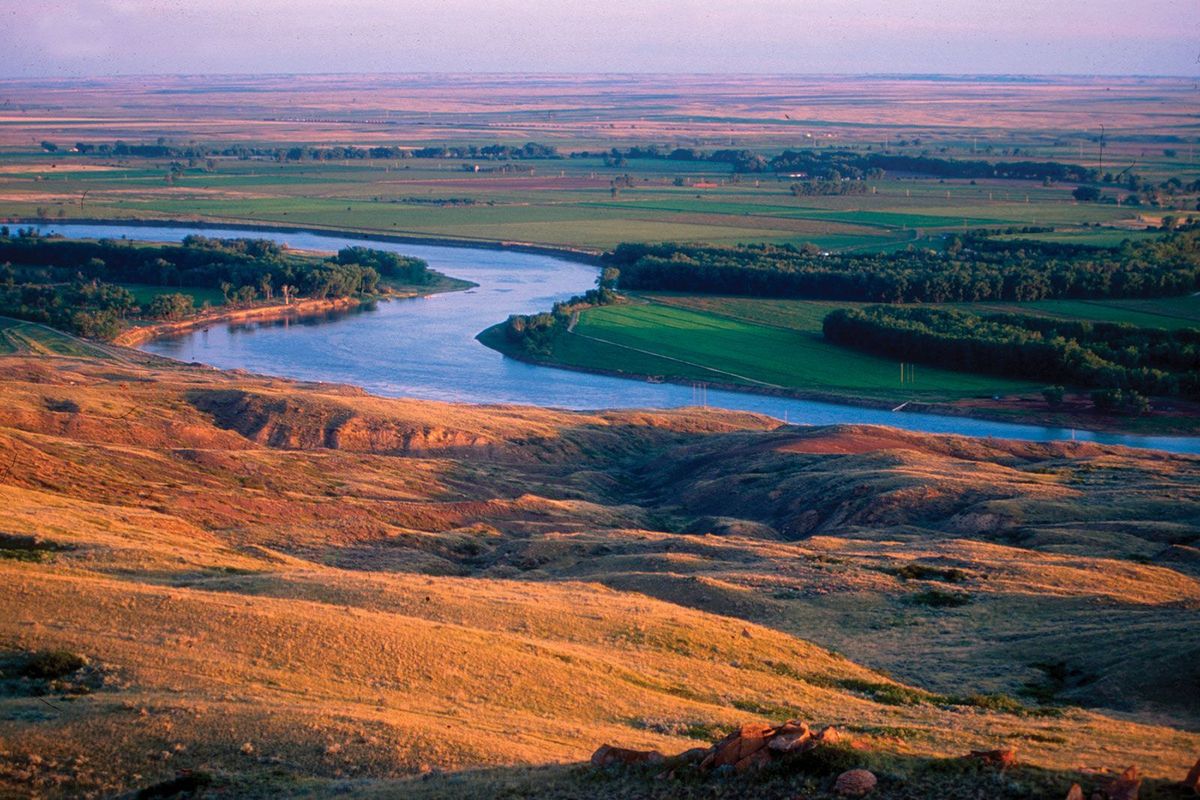
Have you ever wondered about the hidden treasures beneath South Dakota's Grand River Valley? Root cellars in this region hold secrets of the past, offering a glimpse into the lives of early settlers. These underground storage spaces were essential for preserving food through harsh winters. Imagine walking through the valley and stumbling upon one of these historical gems. Each root cellar tells a story of survival, ingenuity, and community. Whether you're a history buff or just curious, exploring these cellars can be a fascinating journey into the past. Ready to learn more about these hidden wonders? Let's dig in!
Hidden Root Cellars of South Dakota's Grand River Valley
South Dakota's Grand River Valley is a treasure trove of history and mystery. Among its many secrets, the hidden root cellars stand out as fascinating relics of the past. These underground storage spaces, once vital for preserving food, now offer a glimpse into the lives of early settlers. Let's uncover some of these intriguing spots.
1. Shadehill Reservoir Area
The Shadehill Reservoir area is not just about scenic beauty and recreational activities. It also hides some of the most well-preserved root cellars in the region. These cellars, built into hillsides, provided a cool, stable environment for storing vegetables and fruits.
- Location: Near the shores of Shadehill Reservoir
- Features: Stone walls, wooden doors, and earth-covered roofs
- Access: Accessible via hiking trails
2. Lemmon Petrified Wood Park
Lemmon Petrified Wood Park is famous for its unique collection of petrified wood structures. However, it also conceals several root cellars that date back to the early 20th century. These cellars were essential for the park's caretakers and visitors.
- Location: Downtown Lemmon
- Features: Petrified wood walls, stone floors, and ventilation shafts
- Access: Open to the public during park hours
3. Grand River National Grassland
The Grand River National Grassland is a vast expanse of prairie land, home to diverse wildlife and plant species. Scattered throughout this area are numerous root cellars, remnants of homesteads that once dotted the landscape.
- Location: Various spots within the grassland
- Features: Dugout cellars with sod roofs, wooden supports, and earthen floors
- Access: Requires a permit for exploration
4. Sitting Bull Monument
The Sitting Bull Monument is a tribute to the famous Lakota leader. Nearby, hidden among the hills, are root cellars used by the local Native American tribes and early settlers. These cellars offer a unique blend of cultural history.
- Location: Near the monument site
- Features: Stone and clay construction, natural insulation, and hidden entrances
- Access: Guided tours available
5. Timber Lake Museum
Timber Lake Museum showcases the rich history of the Grand River Valley. Among its exhibits, visitors can find information about the region's root cellars, including a reconstructed example that demonstrates traditional building techniques.
- Location: Timber Lake
- Features: Educational displays, interactive exhibits, and a life-sized root cellar model
- Access: Open during museum hours
6. Mobridge Area
The Mobridge area, known for its beautiful river views, also hides several root cellars from the early 1900s. These cellars were crucial for the survival of settlers during harsh winters and hot summers.
- Location: Various locations around Mobridge
- Features: Stone and wood construction, earth-covered roofs, and ventilation systems
- Access: Some cellars are on private property; permission required for access
7. Trail City
Trail City, a small community with a rich history, is home to several hidden root cellars. These cellars, often found on old homesteads, provide a fascinating look into the past.
- Location: Around Trail City
- Features: Dugout structures, wooden reinforcements, and natural cooling systems
- Access: Some cellars are accessible via local trails
8. Isabel
Isabel, a quaint town in the Grand River Valley, boasts several well-preserved root cellars. These cellars, used by early settlers, are a testament to the ingenuity and resourcefulness of the region's pioneers.
- Location: In and around Isabel
- Features: Stone and sod construction, earth-covered roofs, and wooden doors
- Access: Public access varies; check with local authorities
9. Firesteel Creek
Firesteel Creek, a serene waterway in the Grand River Valley, is surrounded by lush landscapes and hidden root cellars. These cellars, built by early farmers, were essential for storing crops and supplies.
- Location: Along Firesteel Creek
- Features: Stone walls, earthen floors, and natural insulation
- Access: Accessible via hiking and fishing trails
10. McIntosh
McIntosh, a small town with a rich agricultural history, is home to several hidden root cellars. These cellars, often found on old farmsteads, provide a glimpse into the daily lives of early settlers.
- Location: Around McIntosh
- Features: Dugout structures, wooden supports, and earth-covered roofs
- Access: Some cellars are on private property; permission required for access
Discovering South Dakota's Hidden Gems
Exploring the hidden root cellars of South Dakota's Grand River Valley offers a unique glimpse into the past. These cellars, often overlooked, tell stories of early settlers and their resourcefulness. Visiting these sites provides a tangible connection to history, allowing you to appreciate the ingenuity and hard work of those who came before us.
While the cellars themselves are fascinating, the surrounding landscape adds to the experience. Rolling hills, scenic views, and the quiet beauty of the valley make the journey worthwhile. Whether you're a history buff or just looking for a unique adventure, the root cellars of Grand River Valley offer something special.
Next time you're in South Dakota, take a detour to explore these hidden gems. You'll leave with a deeper appreciation for the region's history and the people who shaped it.
