Hidden Insights In South Dakota’s Gold Mining Water Treatment
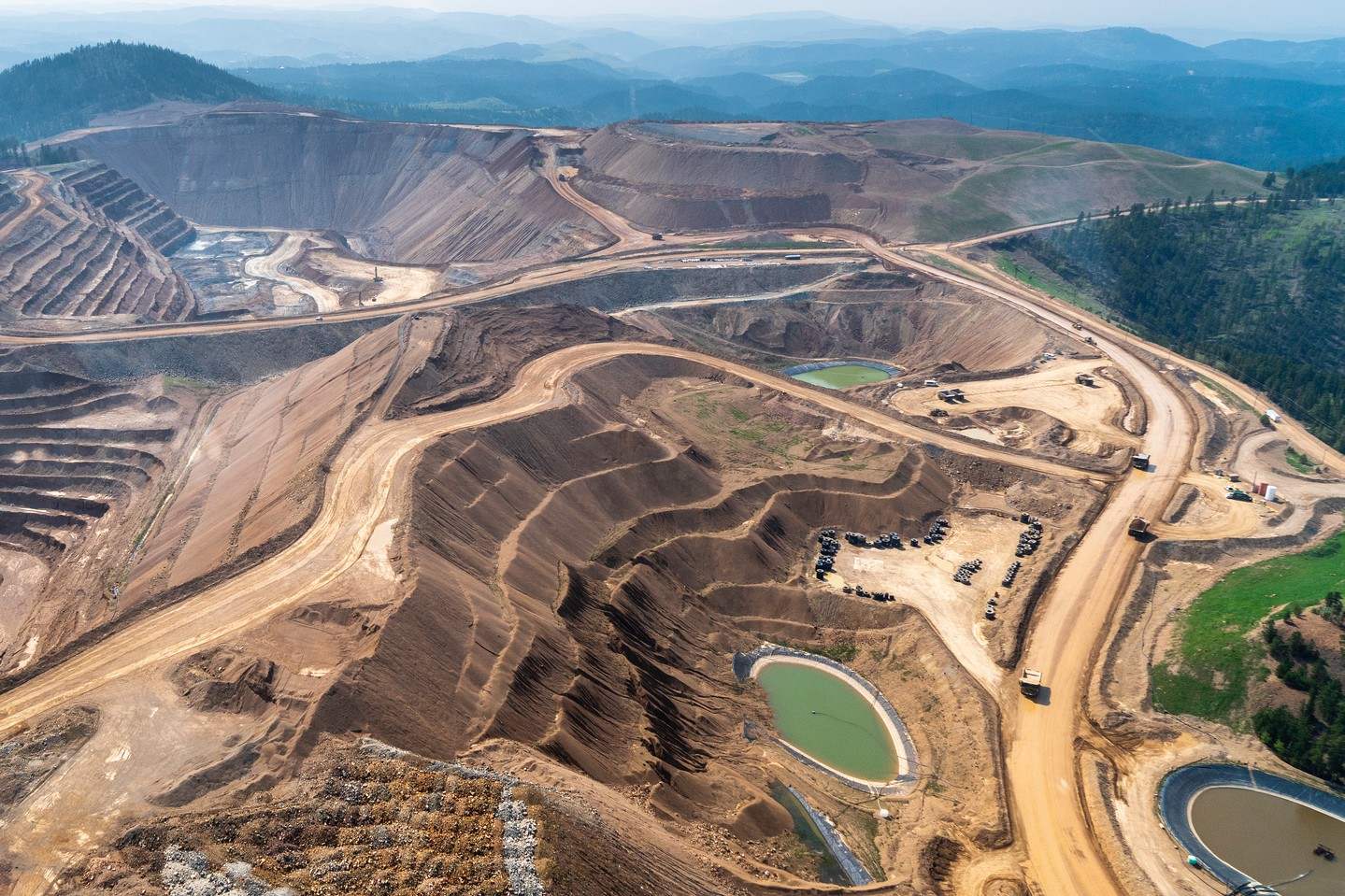
Ever wondered how South Dakota manages its gold mining water treatment? This state has a rich history of gold mining, but with that comes the challenge of treating water affected by mining activities. Gold mining water treatment in South Dakota involves a mix of modern technology and traditional methods to ensure water remains safe and clean. From removing heavy metals to neutralizing pH levels, the process is both intricate and fascinating. Understanding these methods not only highlights the state's commitment to environmental protection but also showcases the innovative solutions used to tackle such challenges. Let's dive into the details of how South Dakota keeps its water pristine amidst its gold mining legacy.
South Dakota's Gold Mining Legacy
South Dakota's Black Hills are famous for their rich gold mining history. This legacy has left behind not just tales of fortune but also environmental challenges. One of the most pressing issues is water treatment. Let's explore some key places where innovative water treatment solutions are being implemented.
Key Sites for Water Treatment in South Dakota
1. Gilt Edge Mine Superfund Site
The Gilt Edge Mine, once a bustling gold mine, now stands as a significant environmental cleanup site. The Environmental Protection Agency (EPA) has been working tirelessly to treat contaminated water here. Advanced treatment systems remove heavy metals and other pollutants, ensuring cleaner water flows into nearby streams.
2. Homestake Mine
Homestake Mine, one of the largest and deepest gold mines in North America, has a rich history. Today, it's also known for its water treatment efforts. The mine's closure left behind large quantities of contaminated water. Modern treatment facilities now work to purify this water, making it safe for the environment.
3. Brohm Mine
Brohm Mine, another site with a storied past, faced significant water contamination issues. Innovative treatment methods, including constructed wetlands and chemical treatments, have been employed to address these challenges. These efforts have significantly improved water quality in the area.
4. Richmond Hill Mine
Richmond Hill Mine's water treatment efforts focus on preventing acid mine drainage. This site utilizes lime treatment systems to neutralize acidic water, reducing its harmful effects on the environment. The treated water is then safely released into nearby water bodies.
5. Wharf Mine
Wharf Mine, still an active gold mining operation, takes proactive measures to treat water. The mine employs a combination of physical and chemical treatments to ensure that water discharged from the site meets environmental standards. This commitment to responsible mining practices sets an example for others in the industry.
6. Golden Reward Mine
Golden Reward Mine's water treatment efforts are centered around sustainability. The site uses a combination of natural and engineered solutions to treat water. This includes the use of wetlands, which naturally filter contaminants, and advanced filtration systems to ensure clean water.
7. Anchor Hill Mine
Anchor Hill Mine has implemented a comprehensive water treatment program to address contamination issues. The site uses a combination of biological and chemical treatments to remove pollutants from water. These efforts have led to significant improvements in water quality, benefiting both the environment and local communities.
8. Bald Mountain Mine
Bald Mountain Mine's water treatment efforts focus on preventing the release of harmful substances into the environment. The site employs advanced filtration systems and chemical treatments to purify water. These measures ensure that water leaving the mine is safe for the surrounding ecosystem.
9. Deadwood Standard Mine
Deadwood Standard Mine, with its rich history, also faces water contamination challenges. The site uses a combination of physical, chemical, and biological treatments to address these issues. These efforts have resulted in cleaner water, benefiting both the environment and local residents.
10. Cloverleaf Mine
Cloverleaf Mine's water treatment program focuses on sustainability and innovation. The site uses advanced filtration systems and natural treatment methods to purify water. These efforts have led to significant improvements in water quality, making the area safer for both wildlife and people.
11. Golden Crest Mine
Golden Crest Mine employs a combination of traditional and modern water treatment methods. The site uses chemical treatments to remove contaminants and natural filtration systems to further purify water. These efforts ensure that water leaving the mine is safe for the environment.
12. Holy Terror Mine
Holy Terror Mine, despite its ominous name, is committed to responsible water treatment. The site uses a combination of physical and chemical treatments to address water contamination issues. These efforts have led to cleaner water, benefiting the surrounding ecosystem.
13. Keystone Mine
Keystone Mine's water treatment program focuses on preventing acid mine drainage. The site uses lime treatment systems to neutralize acidic water, reducing its harmful effects. These efforts ensure that water leaving the mine is safe for the environment.
14. Ragged Top Mine
Ragged Top Mine employs innovative water treatment methods to address contamination issues. The site uses a combination of physical, chemical, and biological treatments to purify water. These efforts have led to significant improvements in water quality, benefiting both the environment and local communities.
15. Ruby Basin Mine
Ruby Basin Mine's water treatment efforts focus on sustainability and innovation. The site uses advanced filtration systems and natural treatment methods to purify water. These efforts have led to significant improvements in water quality, making the area safer for both wildlife and people.
The Impact of South Dakota's Gold Mining Water Treatment
South Dakota's gold mining history has left a lasting mark on the environment. Water treatment efforts play a crucial role in mitigating the negative effects. These initiatives ensure that water sources remain clean and safe for both wildlife and residents. By addressing contamination and restoring ecosystems, the state demonstrates a commitment to environmental stewardship.
The ongoing efforts in water treatment highlight the importance of balancing industry and nature. They serve as a model for other regions facing similar challenges. Continued investment in these projects will help preserve South Dakota's natural beauty and resources for future generations.
Understanding the impact of gold mining on water quality underscores the need for responsible practices. It reminds us that protecting our environment requires constant vigilance and innovation. South Dakota's approach to water treatment offers valuable lessons in sustainability and conservation.