Part of our South Dakota guide.
28 places and guides from our Historic Sites and Trading Posts coverage, gathered into one page.
Fort Manuel
Step back to the early 1800s, when Fort Manuel was a bustling trading post near the Missouri River. Though the original structures are gone, this spot was a key hub for exchanging furs, beads, and tools among Native American tribes, fur traders, and explorers. Often overshadowed by more famous landmarks, it holds layered stories of frontier commerce and encounter. Today, visitors can walk the grounds where those exchanges happened, with interpretive signs and markers evoking the past. It’s a quiet place to feel history underfoot—and a detour that pairs well with hiking and the outdoors in South Dakota, especially if you’re exploring the region’s lesser-known corners.
Potato Creek Johnny - The Gold Rush Mystery Of South Dakota
Potato Creek Johnny, born John Perrett, earned his nickname while living in the Black Hills during the Gold Rush era. He became legendary for discovering one of the largest gold nuggets ever found in the area—a find that still sparks curiosity today. But his story goes beyond the glitter of that single strike. What drove him to spend his days panning and digging in the rugged terrain? His life offers a glimpse into the grit and determination of the prospectors who shaped the region. For those drawn to the state’s rugged past, his haunts remain a point of intrigue, much like the ghost towns of South Dakota's Black Hills. His legacy endures as a reminder of the unpredictable fortunes that defined the rush.
Fort Sisseton Villages
Fort Sisseton, built in 1864, sits in the rolling hills of the Coteau des Prairies as a military outpost from the American frontier era. Visitors can walk through well-preserved buildings, including officers' quarters, barracks, and a guardhouse, each tied to the soldiers and settlers who lived there. The site offers a direct look at frontier military life without the noise of modern interpretation. For those already exploring the region’s history, this fort also pairs well with a broader trip focused on hiking and the outdoors in South Dakota, where the surrounding prairie trails reveal the same landscape the garrison once watched over. It’s a straightforward stop for history buffs, not a recreated village, but the original structures stand as they have for over a century.
Pine Ridge's Indigenous Cultural Centers
Pine Ridge, South Dakota, is home to Indigenous cultural centers that offer a deep look into Lakota life. Visitors can witness traditional dances and intricate beadwork, crafts passed down through generations. These centers also run educational programs where guests can learn the Lakota language, customs, and daily practices. Whether you’re exploring the exhibits or joining a session, the experience brings the community’s living heritage into focus. For those planning to explore the area further, the surrounding landscape pairs well with hiking and the outdoors in South Dakota, offering a fuller sense of the region’s natural and cultural layers. The centers serve as a gateway to understanding not just the past, but the ongoing vibrancy of Pine Ridge’s people today.
Chamberlain's Indigenous Cultural Centers
Chamberlain’s Indigenous cultural centers offer a close-up look at the area’s native heritage. Visitors can take part in authentic storytelling, watch traditional crafts being made, and see vibrant dances passed down through generations. These experiences also support local Indigenous communities directly. The centers are a meaningful stop for anyone interested in learning beyond the surface—whether you’re passing through on a longer trip or planning a dedicated visit. While you’re in the region, you might also pair a stop here with some secret natural landmarks in South Dakota for a fuller sense of the landscape. It’s a straightforward, respectful way to connect with living traditions that remain central to the community today.
Fort Hale
Fort Hale, South Dakota, holds a treasure of hidden trading posts. These historic sites offer more than just a glimpse into the past—they stand as a testament to the cultural exchanges that shaped the region. Visitors can explore ancient artifacts and hear stories passed down through generations, each revealing secrets of the area’s trading history. The posts showcase unique items, from tools to trade goods, that highlight the daily life and connections between early settlers and Native tribes. For those interested in the region’s deeper narrative, these spots provide a tangible link to a bygone era. Whether you’re a history buff or a curious traveler, the trading posts at Fort Hale reward a closer look with their quiet, enduring mysteries.
Fort Kiowa Trading Posts
Fort Kiowa, a historic trading post along the Missouri River, was established in the early 19th century. It played a crucial role in the fur trade and westward expansion, serving as a bustling hub where traders, trappers, and Native Americans exchanged goods and stories. Visiting Fort Kiowa today offers a unique glimpse into the past, letting you walk in the footsteps of pioneers. For those exploring the region, the fort also serves as a gateway to the area’s broader history, connecting you to the landscape that shaped early American frontier life. While here, you might also consider pairing your visit with a trek through the nearby trails, a perfect complement to the site’s historical significance.
Tinton
Tinton, nestled in the Black Hills, offers a glimpse into South Dakota’s mining past. This old mining town is a hidden gem for those interested in history and the outdoors. Walking the trails where miners once searched for gold and other precious minerals, you can still spot old relics. The area is ideal for hiking and exploring, making it a great stop for anyone keen on hiking and the outdoors in South Dakota. The Tinton area is a treasure trove of hidden mines waiting to be explored, perfect for a self-guided adventure off the beaten path. Whether you are a history buff or just enjoy a scenic walk, Tinton provides a tangible connection to the region’s frontier days.
Secret Battlefields Beneath South Dakota's Fort Thompson
Beneath the quiet town of Fort Thompson, South Dakota, lies a hidden history of battlefields. This small community, known for its scenic views and rich Native American culture, holds secrets from the past that few visitors ever uncover. While most come for the beautiful landscapes, the historical significance buried underfoot tells stories of bravery, conflict, and survival that shaped the region. These battlefields are a genuine piece of the area’s heritage, waiting for those who dig deeper. For travelers already exploring the region’s outdoor appeal, this site adds a layer of depth to any itinerary focused on hiking and the outdoors in South Dakota. Uncover the layers of Fort Thompson’s past on your next visit.
De Smet's Ingalls Homestead Laura Ingalls Wilder's Prairie Tale
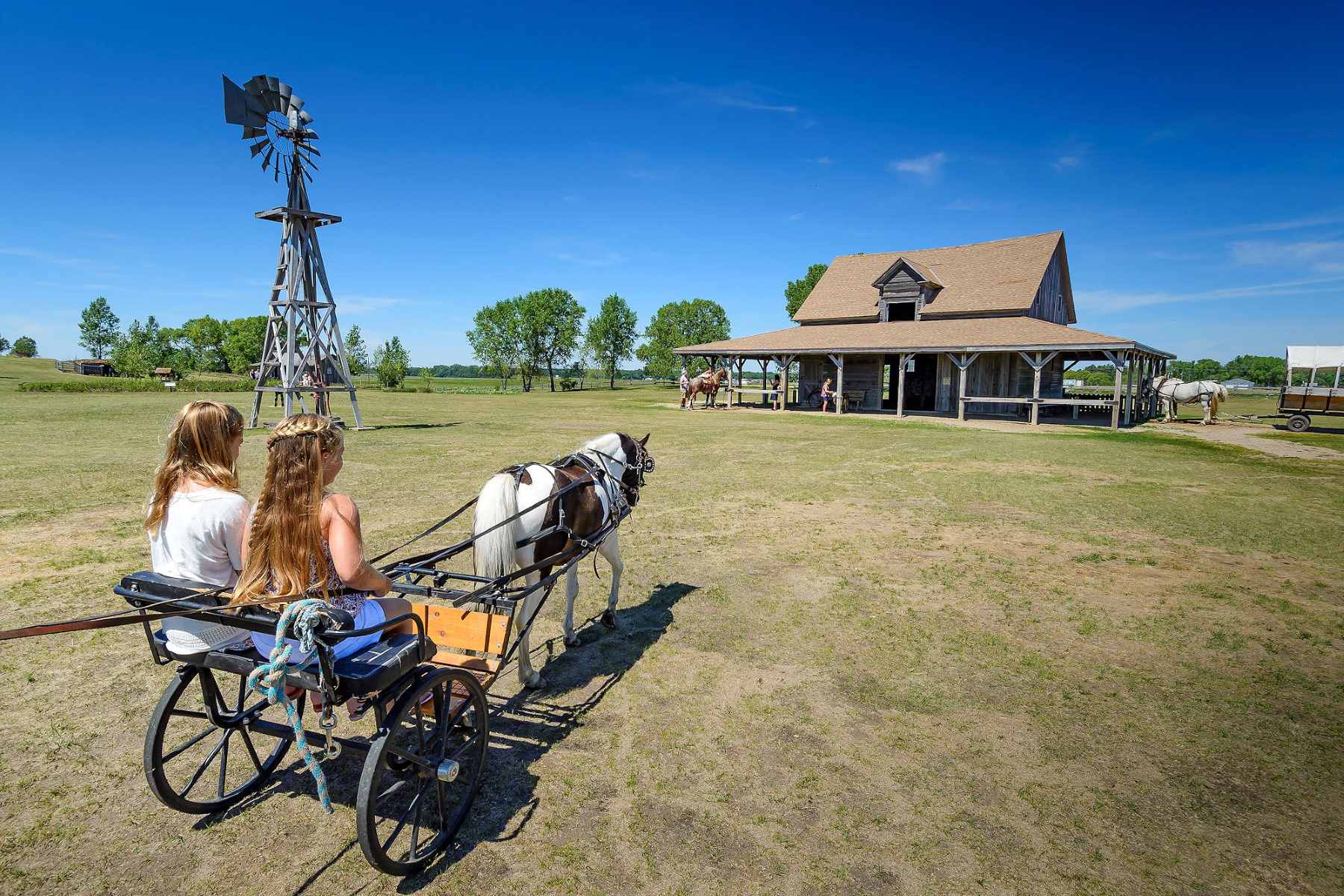
At the Ingalls Homestead in De Smet, South Dakota, Laura Ingalls Wilder’s stories become hands-on history. Visitors can step inside a real sod house, try making corn husk dolls, and ride in a covered wagon—activities that mirror the daily chores and travel of 1880s pioneers. The site emphasizes doing over just looking, letting you grip the rough earth walls of the dugout and feel the sway of the wagon seat. It’s a direct, tactile link to the Little House books, set on the same prairie that inspired them. For those who prefer their history with dirt under the fingernails, this is a genuine encounter with the region’s frontier past, not a polished reenactment.
Lead's Mining Towns
Once bustling with miners searching for gold and silver, Lead’s mining towns now stand as weathered reminders of a different time. Walking through them, you can almost hear the echoes of pickaxes and the chatter of miners. Some towns have been preserved; others have faded into history. Each building holds its own tale, offering a glimpse into the lives of those who lived and worked there. For those drawn to the region’s quieter corners, these sites also connect to the ghost towns of South Dakota's Black hills, where the past lingers in empty streets and crumbling foundations. Visiting these sites reveals the secrets of a bygone era.
Wounded Knee South Dakota
Wounded Knee, South Dakota, holds a rich history and culture. Hidden trading posts are scattered throughout the area, offering unique finds and a glimpse into the local culture. From handcrafted jewelry to traditional art, these trading posts provide a shopping experience unlike any other. Exploring them reveals a side of the town that goes beyond its well-known historical significance. For travelers willing to venture slightly off the main path, these spots also serve as quiet gateways to the region’s deeper stories, connecting you to the land and its people in a way that feels personal and unscripted.
Fort Custer
Fort Custer offers a direct window into South Dakota’s trading post era, where Native Americans and settlers once exchanged goods, stories, and cultures. These sites were busy centers of commerce and connection, and today they let you walk the same paths where traders bartered for furs and supplies. The trading posts, once lively with activity, now stand as quiet markers of that shared history. For those interested in both the past and the open landscape, the area also pairs well with hiking and the outdoors in South Dakota, making it easy to combine a historical stop with time spent in the surrounding terrain.
Missouri Breaks
Hidden among the rugged bluffs of the Missouri Breaks are Indigenous signal sites, used by Native American tribes as communication hubs long before modern technology. From these high vantage points, smoke or mirror flashes could be sent across vast distances, linking communities in a landscape that still feels wild and remote. These locations offer a quiet, tangible connection to that era of nature-driven ingenuity. For travelers seeking the state’s quieter corners, these spots rank among the secret natural landmarks in South Dakota. Standing on a bluff here, you can picture the signals arcing between hills—a simple, effective system that shaped how people moved and communicated across this rugged terrain.
Brookings' Secret South Dakota Agricultural Museum Celebrates Rural Life
Ever wondered what life on a farm was really like in the past? At the Agricultural Heritage Museum in Brookings, South Dakota, you can step back in time. This hidden gem focuses on farming history, with exhibits of tools, machinery, and personal stories that show how agriculture shaped the region. As you walk through, you can almost hear the clatter of old tractors and smell fresh hay. The museum brings history to life, highlighting the hard work and innovation of the farmers who worked the land. It’s a hands-on look at rural heritage that you won’t find in the guidebooks.
Secret Newell Museum Treasures: Vintage Rodeo And Ranch Life
Tucked away in the small town of Newell, South Dakota, lies a hidden gem that captures the spirit of the American West. The Newell Museum offers a unique glimpse into the rich history of rodeo and ranch life. This quaint museum is a treasure chest of artifacts, photographs, and stories that transport visitors back to a time when cowboys ruled the plains. From vintage saddles to old rodeo posters, each item tells a tale of adventure and grit. It's a place where the past comes alive, inviting everyone to step into the boots of those who shaped the rugged landscape of the West.
Deadwood's Lost Trading Posts
Deadwood’s lost trading posts once served as vital hubs for traders, settlers, and Native Americans, where goods and cultures exchanged hands. Today, these sites lie forgotten, their stories buried beneath layers of history. Walking through them, you can feel echoes of that bygone era—the creak of wagon wheels, the murmur of barter. Some locations remain hidden, offering a quieter counterpoint to the town’s more famous landmarks, much like the secret natural landmarks in South Dakota. For those willing to explore, these spots reveal how commerce shaped the Black Hills region. Whether you’re tracing old trails or simply pausing to imagine the past, these trading posts connect you to a time before highways and neon. Their significance endures, even if their structures have long since faded into the landscape.
Badlands
Hidden Indigenous signal sites dot this rugged landscape, offering more than just stunning views. These overlooked spots were once vital for tribes to send messages across vast distances using smoke or mirrors, connecting communities miles apart. Exploring them reveals a rich history that shaped the region. For those already drawn to the area, the Badlands also tie into broader adventures like hiking and the outdoors in South Dakota. Stand where ancient communication once bridged the empty spaces, and you’ll feel the weight of that legacy. Ready to uncover the secrets of the Badlands?
Fort Pierre Settlements
Fort Pierre in South Dakota offers a blend of history, culture, and natural beauty. Explore historic settlements that tell tales of early pioneers and Native American tribes, with the Missouri River providing a scenic backdrop for outdoor activities like fishing, boating, and hiking. Local museums and landmarks offer a deeper understanding of the area’s rich past. As you explore, you may find yourself near some of the state’s most secluded spots, often considered secret natural landmarks in South Dakota. For those who prefer active exploration, the region ties into hiking and the outdoors in South Dakota, with trails that follow the river’s curves. This destination reveals its stories layer by layer, from trading post remnants to riverfront views, inviting you to step back in time without leaving modern comforts behind.
Ghost Lumber Camps
South Dakota’s ghost lumber camps are scattered across the Black Hills, silent now but once alive with the rasp of saws and the shouts of workers. These abandoned sites offer a tangible link to the state’s timber boom, when entire communities rose and fell with the forests. Walking through the overgrown foundations and rusted machinery, you can almost hear the echoes of that frantic industry. For those drawn to ghost towns of South Dakota's Black hills, these camps are a raw, unfiltered version of that history. Each clearing in the woods may hide a forgotten mill or a collapsed bunkhouse, waiting for a quiet explorer to piece together their story. It’s a haunting, rewarding detour for anyone curious about the lives that shaped this rugged landscape.
Chamberlain Cultural Center Archives
Inside the Chamberlain Cultural Center Archives, you’ll find a concentrated collection of South Dakota’s past—Native American artifacts, pioneer memorabilia, and rotating exhibits that trace the region’s heritage. The archives offer a close look at objects and stories that shaped the area, from early trade routes to daily frontier life. For travelers already exploring the state’s historic sites, this stop adds context without the crowds. It’s a quiet, self-guided experience where the exhibits reward a slow read. Whether you’re tracing family roots or just curious about the layers beneath the landscape, the center provides a compact, meaningful pause. Pair it with a drive through the surrounding countryside to see the terrain that shaped the very items on display. The archives are a practical addition to any South Dakota itinerary—especially for those who prefer museums with a local, unpolished feel.
Black Hills
The Gold Rush cemeteries scattered throughout South Dakota's Black Hills are more than final resting places—they’re time capsules of adventure and hardship. Each grave marks a miner, pioneer, or fortune-seeker who braved the region’s rough terrain and boomtown chaos. Walking these grounds, you’ll find weathered headstones that hint at short lives, failed strikes, and the stubborn hope that drove thousands westward. For those interested in hiking and the outdoors in South Dakota, these cemeteries offer a quiet, reflective detour off the main trails. They also connect to the region’s deeper mysteries, echoing the ghost towns of South Dakota's Black Hills that once thrived and faded with the gold rush’s fever. Visiting isn’t just about history—it’s a direct link to the raw challenges early settlers faced daily.
Unveil The Mysteries Of Custer's Gordon Stockade
Step back to the 1870s at Custer's Gordon Stockade, a historic site in the Black Hills built by gold prospectors during the Black Hills Gold Rush. These wooden structures once housed hopeful miners, and walking the grounds lets you feel that rugged history beneath your feet. As you explore, you're tracing the adventurous spirit of early settlers who braved the frontier. For those drawn to both history and the wild landscape, this spot also connects to the region’s broader appeal—nearby, you can uncover secret natural landmarks in South Dakota or enjoy hiking and the outdoors in South Dakota. The stockade stands as a tangible piece of the past, inviting you to imagine life during a frantic, hopeful era of American expansion.
Blood Run
Blood Run, an ancient site along the Big Sioux River, was once a bustling hub where Native American tribes traded goods, stories, and traditions. Today, it’s a state park where visitors can walk through the historic landscape and feel the echoes of the past. The trails and views here connect you directly to that earlier era, making it a meaningful stop for those interested in places in Sioux Falls and beyond. Whether you’re a history buff or just seeking a quiet walk, the park offers a tangible link to the region’s deep cultural roots. Explore the grounds and imagine the exchanges that shaped this place.
Needles
Needles Highway winds through the Black Hills with sharp turns, narrow tunnels, and towering granite spires. This scenic route offers numerous spots for hiking, picnicking, and photography, making it a favorite for road trip enthusiasts. Wildlife like bison, mountain goats, and deer often appear along the way. For those interested in hiking and the outdoors in South Dakota, this drive delivers quick access to trails and overlooks. It’s also one of the secret natural landmarks in South Dakota, often missed by casual travelers. Keep your camera ready—the views change around every bend, and the tunnels frame the spires in unforgettable ways.
Secrets Beneath South Dakota's Fort Hall
Beneath Fort Hall, layers of history hide more than dusty relics—they hold the daily lives of traders, soldiers, and travelers who passed through this remote outpost. Excavations here have uncovered everything from rusted tools and ceramic shards to personal items like buttons and pipe fragments, each offering a quiet clue about survival on the frontier. As you walk the site, you’re treading over a buried timeline, where storage cellars and fire pits reveal how people cooked, worked, and protected themselves against harsh winters. Some artifacts suggest trade networks reaching far beyond the plains, hinting at connections to distant markets. For those drawn to ghost towns of South Dakota's Black hills, Fort Hall’s underground offers a similar thrill of piecing together forgotten routines. It’s not just about what’s found—it’s the silence between objects that speaks loudest, inviting you to imagine the hands that shaped them.
Rosebud Reservation Sod Houses
On South Dakota’s Rosebud Reservation, the sod houses reveal a story of survival built from the ground up. These homes, carved from thick layers of grass and soil, provided sturdy, warm shelter for early settlers and Native Americans alike. Rather than relying on scarce timber, residents packed the dense earth into walls that insulated against both winter cold and summer heat. Today, the remaining sod houses stand as quiet monuments to that resourcefulness. A visit to the reservation lets you step inside these earthen walls and imagine daily life on the prairie—where a family’s strength was literally part of their home’s structure. It’s a raw, tangible link to a past that shaped the region.
Prairie Village
Prairie Village is a hidden gem for train enthusiasts, offering a unique glimpse into the past with its historic railroad platforms. Each platform tells a story of journeys taken and dreams pursued, making it a must-visit for those who appreciate the state's railroad heritage. Tucked away in this quaint locale, the platforms evoke the era when rail travel shaped the region’s growth. Whether you’re tracing the routes of early settlers or simply soaking in the rustic atmosphere, this spot rewards curious travelers. For those planning a broader trip, it pairs well with exploring other secret natural landmarks in South Dakota nearby. Prairie Village stands as a tangible link to the past, inviting visitors to step back in time and imagine the bustling activity that once defined these tracks.
More about Historic Sites and Trading Posts
- South Dakota's Secret 50-Foot Native American Woman Statue
- South Dakota's Secret Fossil Beds Of The Great Plains
- South Dakota's Secret Slim Buttes In Custer National Forest
- Unravel The Wonders Of Cosmos Mystery Area — a quirky roadside stop that ties into the region’s oddities.
- South Dakota's Secret Crazy Horse Mountain Carving
- Ghost Towns Of South Dakota's Black Hills — explore abandoned settlements that once thrived near trading routes.
- Secrets Of Prairie Dog Towns In South Dakota's Badlands
- Secrets Of South Dakota's Ancient Rock Art Sites
- Secrets Of Mountain Lion Territories In South Dakota's Black Hills
- South Dakota's Secret Homestake Gold Mine Visitor Center And Black Hills History
- Echoes Of The Prairie's Hidden Sod Houses
- Hidden Gems Of South Dakota's Black Hills Wild Horse Sanctuaries
- South Dakota's Secret Prairie Homestead With Original Sod House
- Secrets Of Pine Ridge Reservation In South Dakota
- Secrets Of South Dakota's Coteau Des Prairies
- Secrets Of South Dakota's Holy Terror Mines
- Secrets Of South Dakota's Ancient Buffalo Jumps
- Secrets Behind Mount Rushmore
- Hidden Beryllium Mines In The Black Hills Of South Dakota
- The Mystery Of South Dakota's Vanishing Prairie Dog Colonies