

Secrets Of South Carolina’s Sunken Rice Plantations
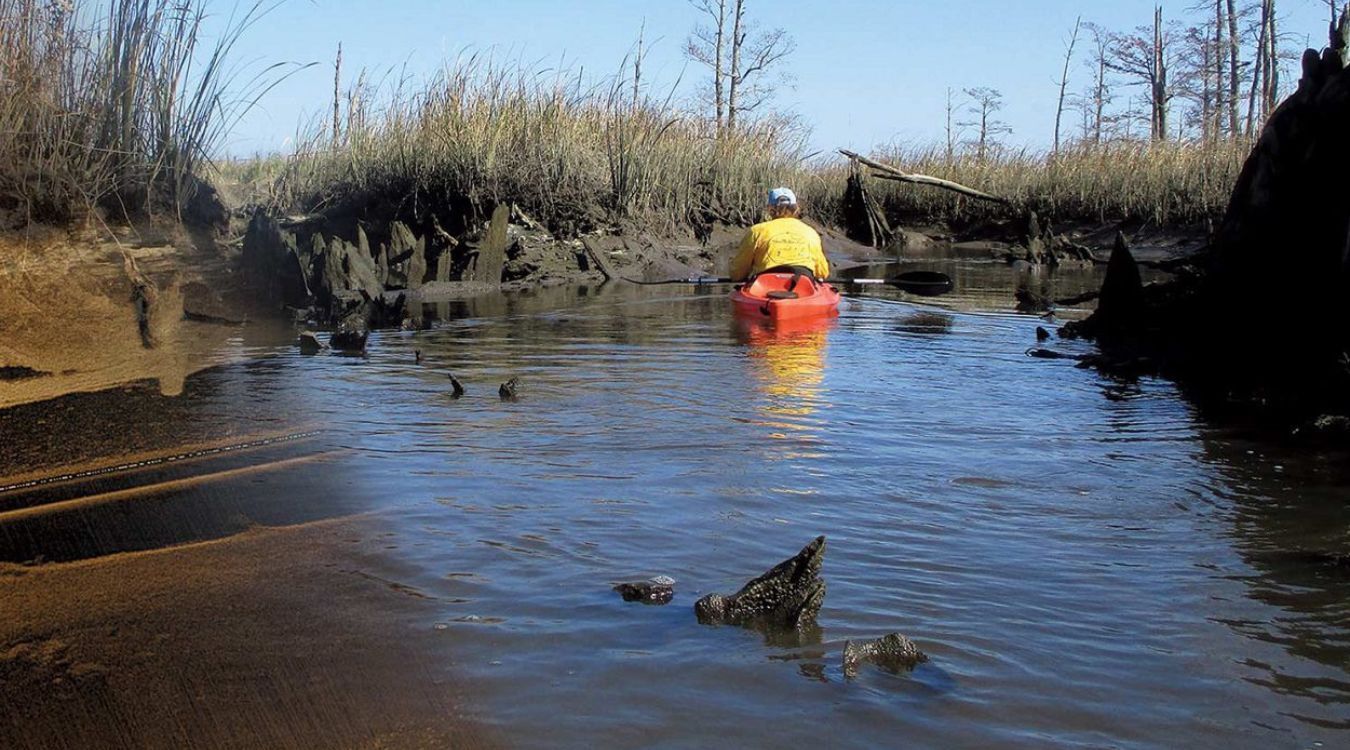
Have you ever wondered about the hidden history beneath South Carolina's waters? South Carolina's sunken rice plantations hold secrets of a bygone era. These submerged fields once thrived, producing vast amounts of rice that fueled the economy. Today, they lie beneath rivers and marshes, offering a glimpse into the past. Exploring these underwater relics reveals stories of innovation, hard work, and resilience. Imagine the bustling activity that once took place here, now replaced by serene waters. Whether you're a history buff or just curious, diving into the tale of these plantations can be both educational and fascinating.
Secrets of South Carolina's Sunken Rice Plantations
South Carolina's history is rich with tales of sunken rice plantations. These hidden gems offer a glimpse into the past, showcasing the ingenuity and resilience of early settlers. Let's dive into some of these fascinating locations.
1. Middleton Place
Middleton Place, located along the Ashley River, is a stunning example of an 18th-century rice plantation. Known for its beautiful gardens, this site also holds the remnants of rice fields that once thrived. Visitors can explore the plantation house, stable yards, and learn about the history of rice cultivation in the region.
2. Magnolia Plantation and Gardens
Magnolia Plantation and Gardens, one of the oldest plantations in the South, offers a unique blend of history and natural beauty. The plantation's rice fields, now submerged, tell the story of the labor-intensive process that once dominated the area. Wander through the gardens and take a boat tour to see the sunken fields up close.
3. Drayton Hall
Drayton Hall, another historic plantation along the Ashley River, provides a well-preserved glimpse into the past. The plantation's rice fields, now part of the surrounding wetlands, offer a hauntingly beautiful landscape. Guided tours of the house and grounds reveal the plantation's rich history and the role rice played in its success.
4. Hampton Plantation State Historic Site
Hampton Plantation State Historic Site, nestled in the Lowcountry, is a testament to the region's agricultural heritage. The plantation's rice fields, now reclaimed by nature, provide a serene backdrop for exploring the historic mansion and grounds. Learn about the lives of the enslaved people who worked the fields and the impact of rice cultivation on the area's economy.
5. Hobcaw Barony
Hobcaw Barony, a sprawling estate near Georgetown, offers a unique blend of history and conservation. The plantation's rice fields, now part of a wildlife refuge, showcase the intricate system of dikes and canals used in rice cultivation. Guided tours provide insight into the plantation's history and its transformation into a research and education center.
6. Mansfield Plantation
Mansfield Plantation, located along the Black River, is a well-preserved example of a working rice plantation. The plantation's rice fields, now submerged, offer a glimpse into the past. Visitors can tour the plantation house, slave quarters, and rice mill, learning about the plantation's history and the role of rice in its success.
7. Brookgreen Gardens
Brookgreen Gardens, once part of several rice plantations, now serves as a cultural and botanical garden. The gardens' rice fields, now part of a wildlife preserve, provide a unique opportunity to see the remnants of the area's agricultural past. Explore the gardens, sculpture exhibits, and take a boat tour to see the sunken fields.
8. Rice Museum
The Rice Museum in Georgetown offers a comprehensive look at the history of rice cultivation in South Carolina. The museum's exhibits, housed in historic buildings, showcase artifacts, photographs, and stories from the region's rice plantations. Learn about the impact of rice on the area's economy and the lives of those who worked the fields.
9. Hopsewee Plantation
Hopsewee Plantation, located along the North Santee River, is a beautifully preserved example of a rice plantation. The plantation's rice fields, now part of the surrounding wetlands, offer a serene landscape for exploration. Guided tours of the house and grounds provide insight into the plantation's history and the role of rice in its success.
10. Kensington Plantation
Kensington Plantation, situated along the Pee Dee River, is a lesser-known gem with a rich history. The plantation's rice fields, now submerged, offer a glimpse into the past. Visitors can explore the plantation house, gardens, and learn about the history of rice cultivation in the region.
11. Chicora Wood Plantation
Chicora Wood Plantation, located along the Waccamaw River, is a historic site with a fascinating past. The plantation's rice fields, now part of the surrounding wetlands, provide a unique landscape for exploration. Guided tours of the house and grounds reveal the plantation's history and the role of rice in its success.
12. Laurel Hill Plantation
Laurel Hill Plantation, nestled along the Cooper River, offers a serene setting for exploring the history of rice cultivation. The plantation's rice fields, now submerged, provide a hauntingly beautiful landscape. Visitors can tour the plantation house, gardens, and learn about the lives of those who worked the fields.
Discovering Hidden History
South Carolina's sunken rice plantations offer a unique glimpse into the past. These submerged lands tell stories of hard work, innovation, and the impact of nature. Visiting these sites, you can see the remains of old dikes, canals, and fields that once thrived. Exploring these areas is like stepping back in time, giving you a deeper appreciation for the history and culture of the region. Whether you're a history buff or just curious, these hidden gems are worth the visit. They remind us of the resilience and ingenuity of those who came before us. So next time you're in South Carolina, take a moment to explore these fascinating underwater relics. You'll leave with a newfound respect for the state's rich heritage and the people who shaped it.
