

Salt Water Intrusion Monitoring In South Carolina’s Underground Networks
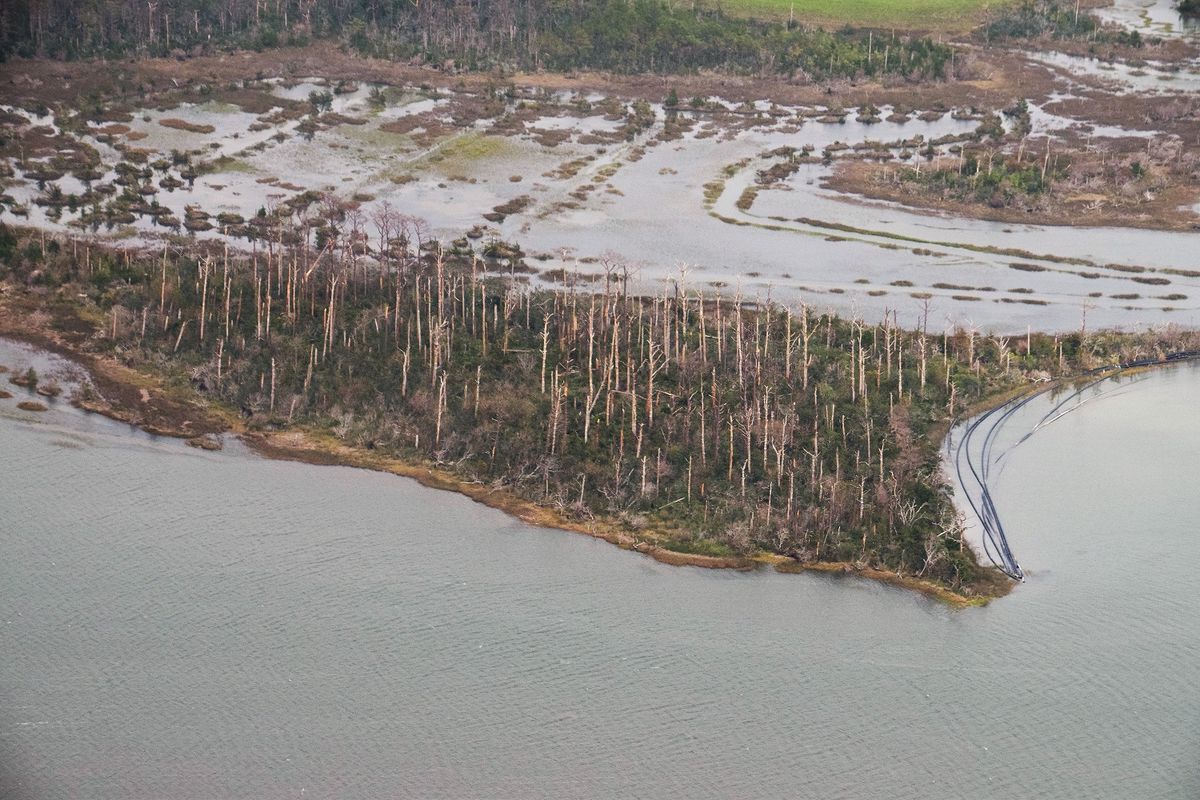
Have you ever wondered how salt water intrusion monitoring works in South Carolina's underground networks? This process is crucial for protecting freshwater sources from becoming too salty. When saltwater seeps into underground water supplies, it can cause problems for drinking water, agriculture, and natural ecosystems. Monitoring helps scientists track changes and take action before things get worse. In South Carolina, experts use advanced tools and techniques to keep an eye on these changes. This ensures that communities have access to clean water and that the environment stays healthy. Let's dive into how this important work is done and why it matters.
Understanding Salt Water Intrusion
Salt water intrusion happens when salt water from the ocean seeps into freshwater aquifers. This can make the water undrinkable and harm the environment. South Carolina is keeping a close eye on this issue to protect its water sources.
Why Monitoring Matters
Monitoring salt water intrusion helps scientists and officials know how far the salt water has spread. This information is crucial for planning and protecting water supplies. South Carolina has several key places where this monitoring takes place.
Key Monitoring Locations in South Carolina
Charleston Harbor
Charleston Harbor is a major area for salt water intrusion monitoring. The harbor connects directly to the Atlantic Ocean, making it a prime spot for tracking how far salt water travels inland. Scientists use sensors and water samples to keep tabs on the salt levels here.Waccamaw River
The Waccamaw River is another critical location. Flowing through coastal areas, this river can be affected by salt water, especially during high tides and storms. Monitoring stations along the river measure changes in water salinity.Edisto River Basin
The Edisto River Basin is a large area where freshwater meets salt water. This basin is monitored to see how salt water intrusion affects local ecosystems and drinking water supplies. Data from this area helps in making decisions about water management.Beaufort County
Beaufort County has several monitoring sites due to its proximity to the coast. These sites help track salt water intrusion in both surface water and underground aquifers. The data collected here is vital for local water planning.Hilton Head Island
Hilton Head Island is a popular tourist destination, but it also faces challenges from salt water intrusion. Monitoring stations on the island help ensure that the water remains safe for residents and visitors. These stations provide real-time data on salt levels.Santee River Delta
The Santee River Delta is a unique area where freshwater from the river meets the salty ocean water. This mixing zone is closely monitored to understand how salt water intrusion affects the delta's complex ecosystem. Sensors and sampling are used to gather data.Georgetown County
Georgetown County has a mix of urban and rural areas, all of which can be impacted by salt water intrusion. Monitoring sites in this county help track changes in water quality over time. This information is used to protect both drinking water and natural habitats.Myrtle Beach
Myrtle Beach is not just a vacation spot; it's also a key area for monitoring salt water intrusion. The city's water supply can be affected by salt water, especially during storm surges. Monitoring stations here help ensure that the water remains safe for everyone.Savannah River
The Savannah River forms part of the border between South Carolina and Georgia. This river is monitored for salt water intrusion to protect the water supply for both states. Data from this river helps in regional water management efforts.Port Royal Sound
Port Royal Sound is another important monitoring location. This sound is a large body of water where salt water from the ocean mixes with freshwater from rivers. Monitoring here helps track how far salt water travels and its impact on the local environment.
Protecting South Carolina's Water Resources
Salt water intrusion poses a serious threat to South Carolina's underground water networks. Monitoring efforts are crucial to safeguard these vital resources. By using advanced technology and consistent data collection, scientists can track changes and predict future risks. This proactive approach helps in developing strategies to prevent contamination and ensure clean water for communities.
Public awareness and involvement are also key. Educating residents about the importance of water conservation and the impacts of salt water intrusion can lead to more sustainable practices. Local governments and environmental organizations must work together to implement effective policies and solutions.
Protecting South Carolina's water resources requires a collective effort. Through monitoring, education, and collaboration, we can address the challenges of salt water intrusion and preserve our precious water supplies for future generations.
