

Secrets Of Meadow Vole Habitats In Rhode Island’s Great Swamp
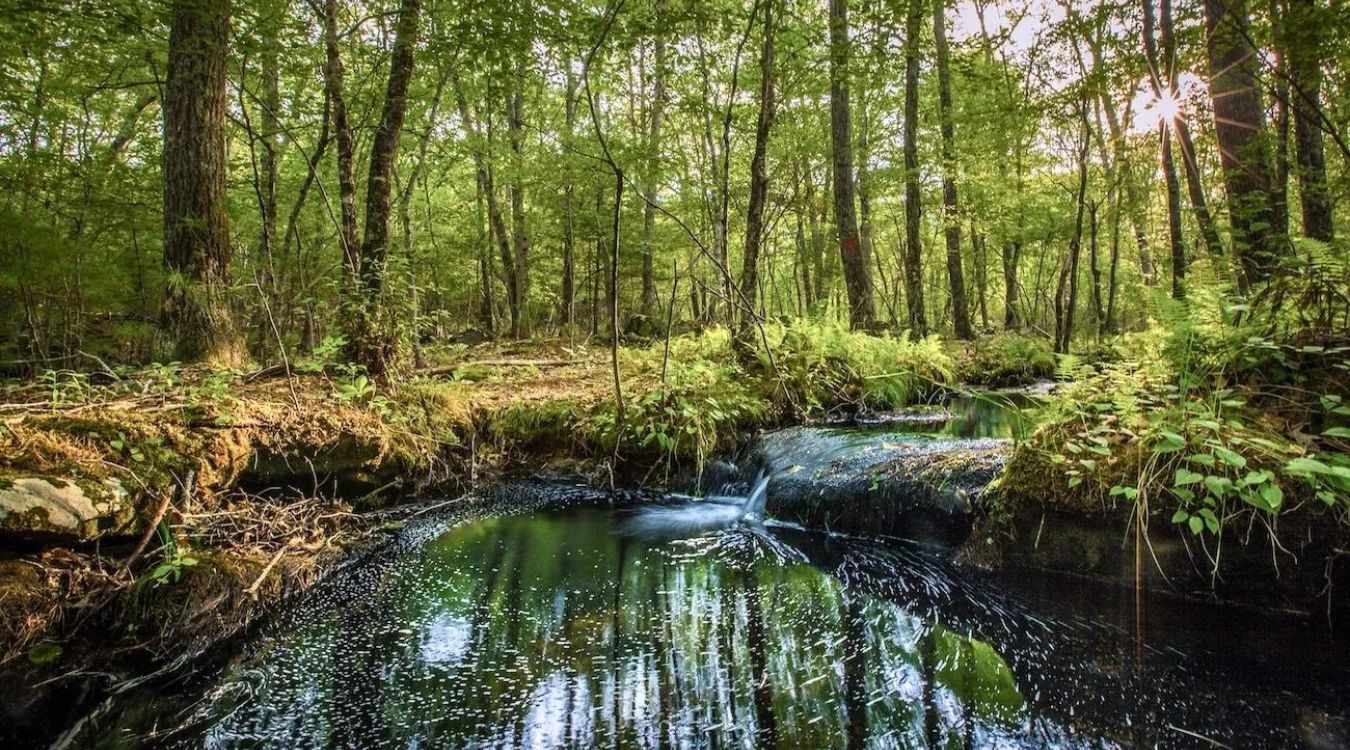
Have you ever wondered where meadow voles make their homes in Rhode Island's Great Swamp? These small, furry creatures thrive in this unique environment. The Great Swamp offers a perfect mix of dense vegetation, wetlands, and open fields, creating an ideal habitat for meadow voles. They build intricate tunnel systems and nests hidden among the grasses and reeds. Understanding their habitat helps us appreciate the delicate balance of nature in this area. Let's take a closer look at the fascinating world of meadow voles and their homes in the Great Swamp.
Secrets of Meadow Vole Habitats in Rhode Island's Great Swamp
Rhode Island's Great Swamp is a hidden gem teeming with wildlife. Among its many inhabitants, the meadow vole stands out. These small creatures have specific habitats that they thrive in. Let's uncover some of these secret spots.
Marshy Meadows
Marshy meadows are prime real estate for meadow voles. These areas provide ample food and cover, making them ideal for these tiny critters.
- West Marsh: This area is filled with tall grasses and reeds, perfect for voles to hide and forage.
- East Meadow: Known for its lush vegetation, this spot offers plenty of nesting materials.
- South Swamp Edge: The transition zone between swamp and meadow provides a diverse habitat for voles.
Dense Underbrush
Dense underbrush areas offer protection from predators and harsh weather. Voles can create intricate tunnel systems here.
- North Thicket: A tangled mess of shrubs and small trees, this spot is a vole's paradise.
- Central Brushland: With a mix of dense bushes and fallen logs, voles can easily navigate and find shelter.
- Western Underbrush: This area is known for its thick ground cover, providing excellent hiding spots.
Wetlands
Wetlands are another favorite for meadow voles. The moist soil and abundant plant life make it an ideal habitat.
- Northern Wetlands: This area is rich in aquatic plants and insects, providing a steady food supply.
- Southern Marshlands: Known for its muddy terrain, this spot is perfect for burrowing.
- Eastern Wetlands: With a mix of open water and dense vegetation, voles can thrive here.
Open Fields
Open fields might seem like an unlikely habitat, but meadow voles can often be found here, especially in areas with tall grasses.
- Central Field: This open area is dotted with patches of tall grass, offering both food and cover.
- Western Plains: Known for its expansive grassy areas, voles can easily move around and find food.
- Eastern Pasture: This spot has a mix of grasses and wildflowers, providing a diverse diet for voles.
Forest Edges
Forest edges offer a unique blend of open space and dense cover, making them ideal for meadow voles.
- Northern Forest Edge: This area has a mix of trees and open ground, perfect for foraging.
- Southern Tree Line: With a dense canopy and open underbrush, voles can easily find shelter.
- Eastern Woodland Border: This spot offers a mix of sunlight and shade, ideal for a variety of plants that voles feed on.
Understanding Meadow Vole Habitats
Meadow voles thrive in Rhode Island's Great Swamp due to its rich, diverse environment. These small creatures prefer areas with dense vegetation, which provides both food and protection from predators. The swamp's mix of wetlands, grasses, and shrubs creates an ideal habitat for them. Observing their behavior and habitat preferences helps scientists understand the ecosystem's health and biodiversity. Protecting these habitats ensures the survival of meadow voles and other wildlife. Next time you visit the Great Swamp, keep an eye out for these tiny but important residents. Their presence is a sign of a thriving, balanced ecosystem. By preserving their habitats, we contribute to the overall health of our natural world. Understanding and protecting meadow vole habitats benefits not just these small creatures but the entire ecosystem they call home.
