

Secrets Of Pennsylvania’s Abandoned Industrial Kilns
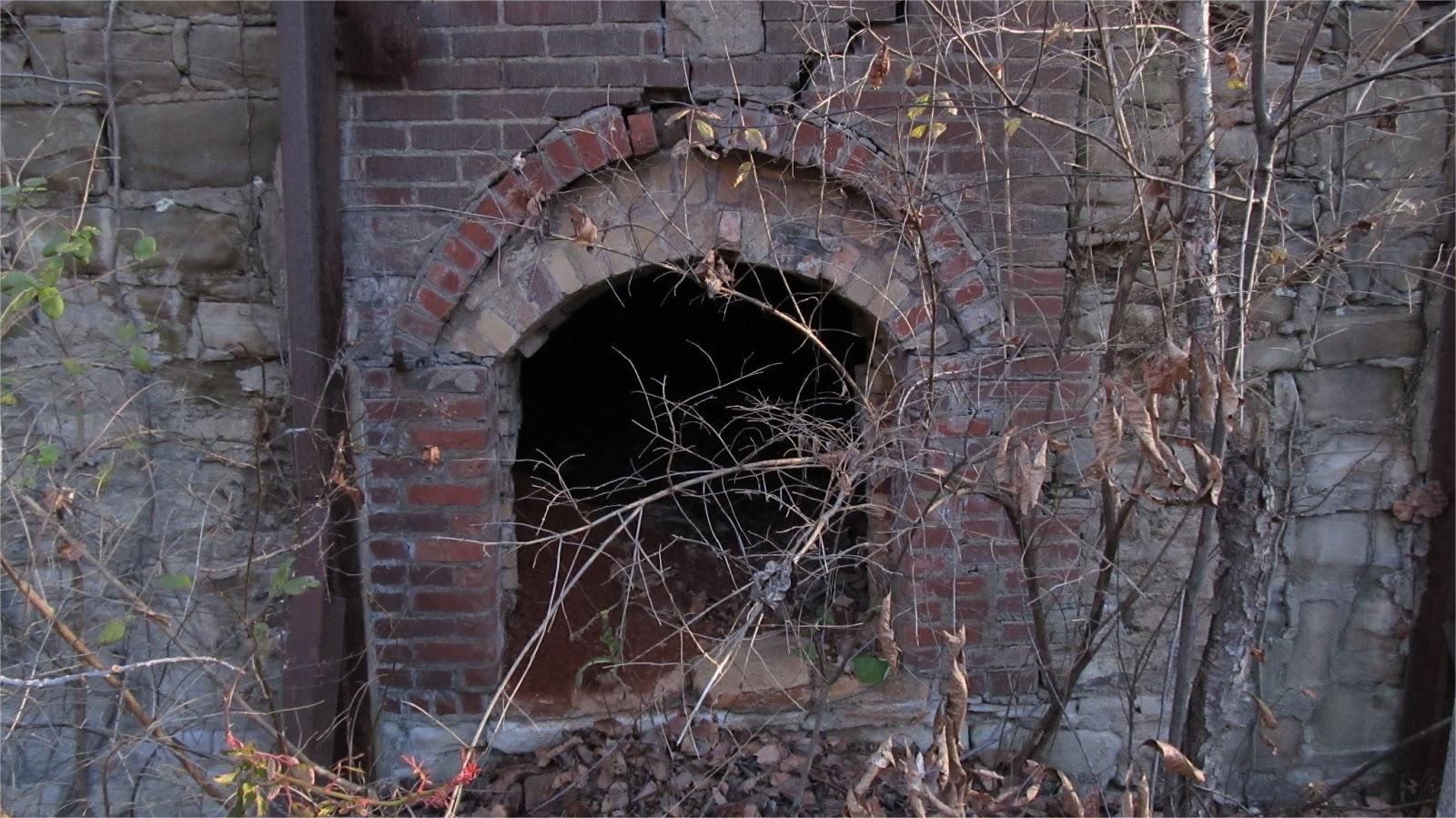
Have you ever wondered about the hidden stories behind Pennsylvania's abandoned industrial kilns? These massive structures, once bustling with activity, now stand as silent witnesses to a bygone era. Located in various parts of the state, these kilns were crucial in producing materials like lime, bricks, and cement. Today, they offer a unique glimpse into the past, attracting history buffs, photographers, and urban explorers alike. Walking through these sites, you can almost hear the echoes of workers and machinery. Whether you're a local or a visitor, exploring these kilns can be a fascinating way to connect with Pennsylvania's rich industrial heritage.
Secrets of Pennsylvania's Abandoned Industrial Kilns
Pennsylvania's industrial past is rich with history, and its abandoned kilns are a testament to that legacy. These structures, once bustling with activity, now stand silent, offering a glimpse into a bygone era. Let's explore some of these fascinating sites.
1. Pine Grove Furnace
Pine Grove Furnace, located in Pine Grove Furnace State Park, was once a thriving ironworks operation. Established in 1764, it played a significant role in the American Industrial Revolution. Today, visitors can wander through the remnants of the old furnace and imagine the roaring fires that once smelted iron ore.
2. Cornwall Iron Furnace
Cornwall Iron Furnace, situated in Cornwall, is a well-preserved example of a charcoal cold blast furnace. Operational from 1742 to 1883, it produced iron for various uses, including cannonballs during the Revolutionary War. The site now serves as a museum, offering guided tours that delve into its storied past.
3. Hopewell Furnace
Hopewell Furnace, nestled within Hopewell Furnace National Historic Site, offers a glimpse into early American industrial life. Established in 1771, this iron plantation produced iron goods for over a century. Visitors can explore the furnace, workers' houses, and other historic buildings, all set within a picturesque landscape.
4. Greenwood Furnace
Greenwood Furnace, located in Greenwood Furnace State Park, was a bustling iron-making community in the 19th century. The furnace operated from 1834 to 1904, producing pig iron for various industries. Today, the park offers hiking trails, a lake, and the remains of the old furnace, providing a serene yet historical experience.
5. Scranton Iron Furnaces
Scranton Iron Furnaces, situated in Scranton, are remnants of the Lackawanna Iron and Coal Company. These furnaces, operational from the mid-19th century to the early 20th century, were crucial in producing iron rails for the expanding railroad industry. The site now hosts events and educational programs, preserving its industrial heritage.
6. Joanna Furnace
Joanna Furnace, located in Morgantown, was an iron plantation that operated from 1791 to 1898. It produced iron for various purposes, including stoves, pots, and other household items. The site now features a museum, historic buildings, and annual events that celebrate its rich history.
7. Curtin Village and Eagle Ironworks
Curtin Village and Eagle Ironworks, found in Howard, offer a unique look at a 19th-century iron plantation. Established in 1810, the site includes the iron furnace, workers' village, and the Curtin Mansion. Visitors can take guided tours to learn about the iron-making process and the lives of those who worked there.
8. Montour Iron Works
Montour Iron Works, located in Danville, played a pivotal role in the development of the iron industry in Pennsylvania. Established in 1840, it was one of the first ironworks to produce T-rails for railroads. Though much of the site is now gone, the legacy of Montour Iron Works lives on in the town's history.
9. Colebrookdale Furnace
Colebrookdale Furnace, situated in Boyertown, was one of the earliest iron furnaces in Pennsylvania, dating back to 1720. It produced iron for various uses, including tools and weapons. While little remains of the original furnace, the site is commemorated with historical markers and interpretive signs.
10. Valley Furnace
Valley Furnace, located in Valley Forge National Historical Park, was an important ironworks during the American Revolution. It supplied the Continental Army with essential iron goods. Today, visitors can explore the park and learn about the furnace's role in the war effort through interpretive exhibits and guided tours.
The Last Glimpse of Pennsylvania's Industrial Past
Pennsylvania's abandoned industrial kilns offer a unique peek into the state's rich history. These structures, once bustling with activity, now stand as silent witnesses to a bygone era. Exploring these kilns, you can almost hear the echoes of workers and see the remnants of an industry that shaped the region.
Visiting these sites isn't just about seeing old buildings. It's about understanding the hard work and innovation that built modern Pennsylvania. Each kiln tells a story of resilience, progress, and change. They remind us of the importance of preserving history while moving forward.
So next time you're in Pennsylvania, take a detour to visit these hidden gems. You'll gain a deeper appreciation for the state's industrial heritage and the people who made it possible. It's a journey through time that you won't forget.
