

Secrets Of Ghost Iron Works In Pine Creek Gorge
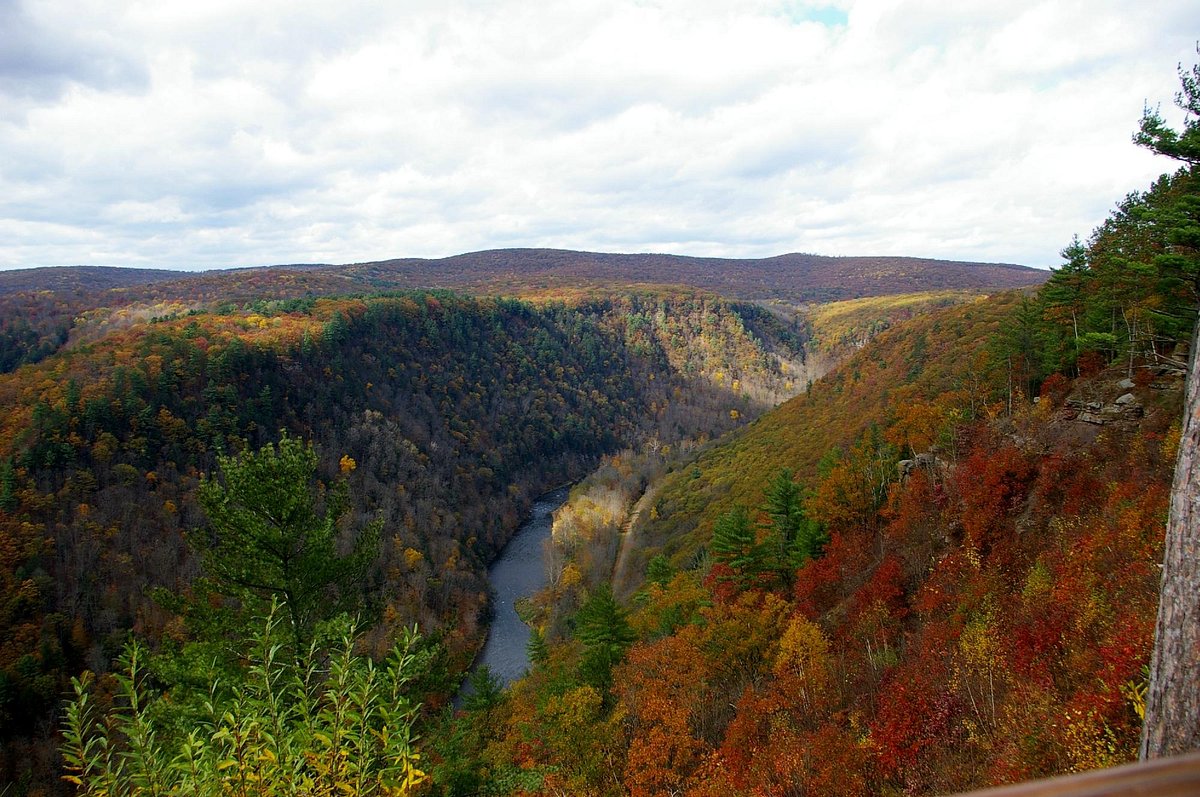
Have you ever wondered about the hidden history of Ghost Iron Works in Pine Creek Gorge? This fascinating site, nestled in the heart of Pennsylvania, holds secrets from the past that many people don't know. Once a bustling hub of industry, Ghost Iron Works played a crucial role in the local economy during the 19th century. Today, it stands as a testament to the ingenuity and hard work of those who came before us. Whether you're a history buff or just looking for an interesting day trip, exploring the remnants of Ghost Iron Works offers a unique glimpse into a bygone era. Let's dive into the rich history and intriguing stories that make this place so special.
Secrets of Ghost Iron Works in Pine Creek Gorge
Pine Creek Gorge, often called the "Grand Canyon of Pennsylvania," hides many secrets within its lush forests and rugged terrain. One of the most intriguing mysteries is the ghost iron works scattered throughout the area. These remnants of a bygone era tell tales of industry, ambition, and abandonment. Let's uncover the secrets of these ghost iron works.
The Forgotten Foundries
The iron works in Pine Creek Gorge were once bustling hubs of activity. Today, they stand as silent witnesses to a time when iron was king. Here are some of the most fascinating foundries you can explore.
Cammal Iron Works
- Located near the village of Cammal, this iron works was operational in the mid-1800s. The ruins include old furnaces and remnants of workers' quarters. It's a hauntingly beautiful spot, perfect for history buffs and photographers alike.
Blackwell Iron Works
- Nestled near the village of Blackwell, this site offers a glimpse into the past with its crumbling stone structures and overgrown pathways. The Blackwell Iron Works played a crucial role in the local economy during its heyday.
Rattlesnake Iron Works
- Hidden deep within the gorge, the Rattlesnake Iron Works is one of the most remote and least visited sites. The journey to reach it is challenging, but the reward is a pristine piece of history untouched by modern development.
The People Behind the Iron
The ghost iron works were not just about machinery and metal; they were about the people who toiled day and night to keep the fires burning. Let's meet some of the key figures who shaped this industry.
John Henry
- Often referred to as the "Iron Master," John Henry was a pivotal figure in the development of the iron works in Pine Creek Gorge. His innovative techniques and relentless drive helped establish several foundries in the area.
Margaret Blackwell
- A lesser-known but equally important figure, Margaret Blackwell managed the Blackwell Iron Works after her husband's untimely death. Her leadership kept the foundry operational during tough economic times.
The Anonymous Workers
- While the iron masters and managers are often remembered, the anonymous workers who labored in harsh conditions deserve recognition. Their hard work and dedication were the backbone of the iron industry.
The Environmental Impact
The iron works left a significant mark on the environment of Pine Creek Gorge. Understanding this impact helps us appreciate the delicate balance between industry and nature.
Deforestation
- The demand for charcoal to fuel the furnaces led to widespread deforestation. Entire hillsides were stripped of trees, altering the landscape and affecting local wildlife.
Water Pollution
- The iron works discharged waste into nearby streams and rivers, leading to pollution that affected aquatic life. Efforts to clean up these waterways continue to this day.
Soil Degradation
- The intense heat from the furnaces and the disposal of slag (a byproduct of iron smelting) degraded the soil, making it difficult for vegetation to grow in certain areas.
The Legacy of the Iron Works
Despite their abandonment, the ghost iron works of Pine Creek Gorge have left a lasting legacy. They serve as a reminder of human ingenuity and the relentless pursuit of progress.
Historical Significance
- These sites are now protected as historical landmarks, offering a window into the past for future generations. They remind us of the industrial revolution's impact on small communities.
Tourism Boost
- The ghost iron works attract tourists, historians, and adventurers, providing an economic boost to the local area. Guided tours and informational plaques help visitors understand the significance of these sites.
Educational Value
- Schools and universities often organize field trips to the iron works, offering students a hands-on history lesson. These trips help foster a deeper appreciation for local history and environmental conservation.
Pine Creek Gorge's ghost iron works are more than just ruins; they are stories etched in stone and metal, waiting to be told.
Ghost Iron Works: A Hidden Gem
Ghost Iron Works in Pine Creek Gorge offers a unique glimpse into history. This hidden gem, tucked away in Pennsylvania, showcases the remnants of an era when iron production was king. Visitors can explore the ruins, learn about the iron-making process, and imagine life during the 19th century. The surrounding natural beauty adds to the experience, making it a perfect spot for history buffs and nature lovers alike.
Whether you're hiking the trails or simply soaking in the scenery, Ghost Iron Works provides a memorable adventure. The blend of historical significance and stunning landscapes makes it a must-visit destination. So, next time you're in Pine Creek Gorge, take a detour to Ghost Iron Works. You'll leave with a deeper appreciation for the past and some great memories.
