Hidden Quarry Secrets Of Pennsylvania’s Gettysburg Granite
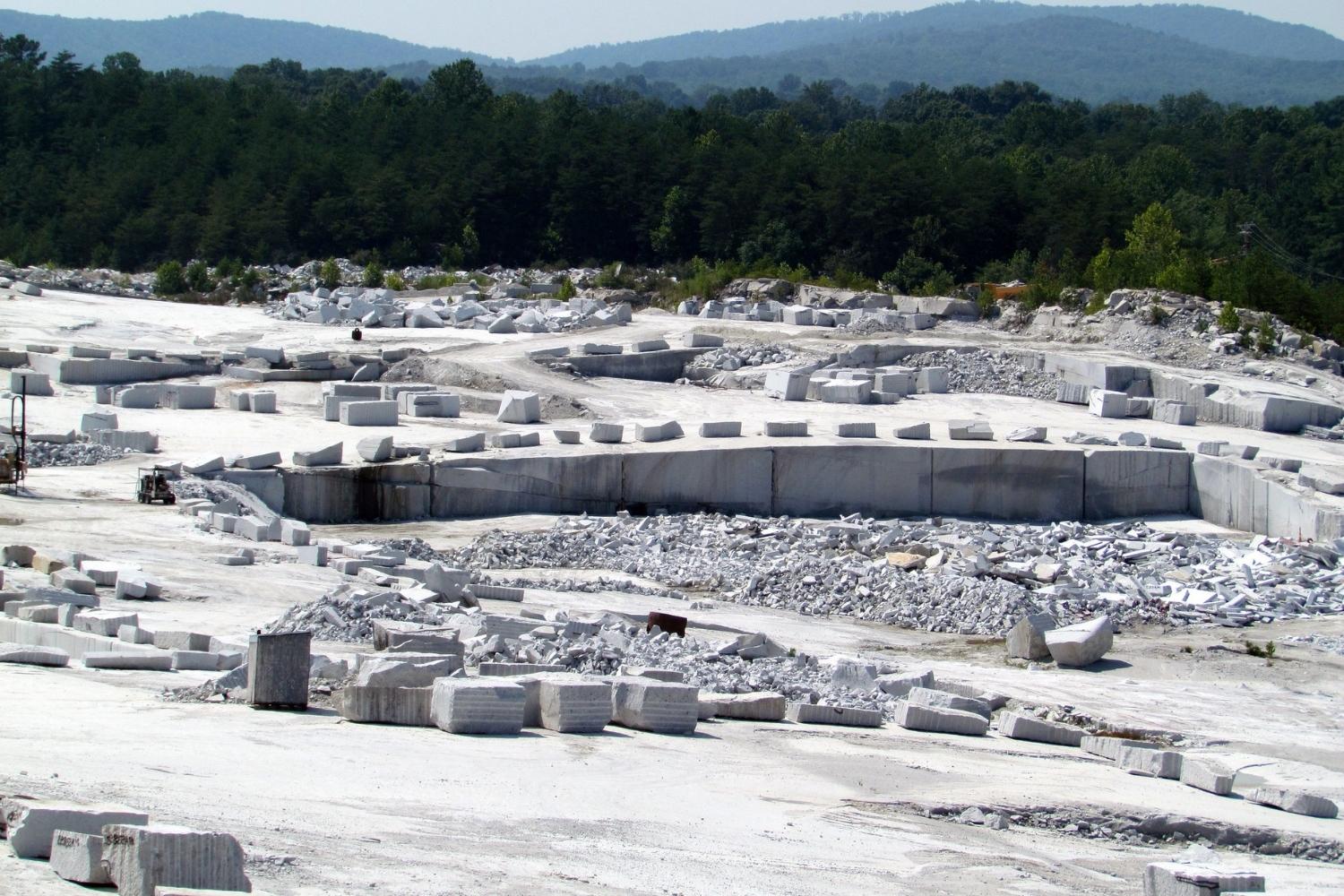
Ever wondered about the hidden stories behind Pennsylvania's Gettysburg granite? This stone isn't just any rock; it's a piece of history. Used in monuments, buildings, and even battlefields, Gettysburg granite has a unique charm. But where does it come from? How is it quarried? What makes it so special? In this post, we'll dig into the secrets of this remarkable stone. From its origins deep in the earth to its journey to becoming part of iconic landmarks, you'll learn why Gettysburg granite holds a special place in both history and architecture. Ready to uncover the mysteries of this amazing stone? Let's get started!
Unearthing Gettysburg's Granite Quarries
Gettysburg, Pennsylvania, is famous for its Civil War history, but there's another hidden gem in this historic town—its granite quarries. These quarries have been a source of high-quality granite for centuries, contributing to various monuments and buildings. Let's delve into some of the most notable granite quarries in Gettysburg.
1. Devil's Den Quarry
Devil's Den is not just a battlefield landmark; it's also home to one of Gettysburg's oldest granite quarries. This site provided the stone for many local structures and monuments.
- Historical Significance: Used during the Civil War for fortifications.
- Unique Features: Large boulders and rock formations.
- Accessibility: Open to the public, great for hiking and photography.
2. Little Round Top Quarry
Little Round Top is another battlefield site with a rich quarrying history. The granite from this area has been used in numerous memorials and buildings.
- Historical Significance: Key location during the Battle of Gettysburg.
- Unique Features: Offers panoramic views of the battlefield.
- Accessibility: Easily accessible with walking trails.
3. Granite Hill Quarry
Granite Hill Quarry is lesser-known but equally important. It has supplied granite for various construction projects in and around Gettysburg.
- Historical Significance: Provided stone for local infrastructure.
- Unique Features: Known for its high-quality granite.
- Accessibility: Restricted access, but visible from nearby roads.
4. Round Top Park Quarry
Round Top Park Quarry is another hidden gem. This quarry has been a source of granite for many local monuments and buildings.
- Historical Significance: Used extensively in the late 19th and early 20th centuries.
- Unique Features: Scenic views and natural beauty.
- Accessibility: Open to the public, ideal for picnics and nature walks.
5. McPherson Ridge Quarry
McPherson Ridge Quarry is a small but historically significant site. It has provided granite for various local projects over the years.
- Historical Significance: Played a role in the early stages of the Battle of Gettysburg.
- Unique Features: Offers a glimpse into the quarrying techniques of the past.
- Accessibility: Limited access, but guided tours are available.
6. Cemetery Hill Quarry
Cemetery Hill Quarry is another important site in Gettysburg's granite history. This quarry has supplied stone for many of the town's historic buildings.
- Historical Significance: Close to the Gettysburg National Cemetery.
- Unique Features: Rich in history and natural beauty.
- Accessibility: Open to the public, with guided tours available.
7. Culp's Hill Quarry
Culp's Hill Quarry is a lesser-known site but has a rich history. The granite from this quarry has been used in various local projects.
- Historical Significance: Important during the Battle of Gettysburg.
- Unique Features: Offers a peaceful retreat with historical significance.
- Accessibility: Open to the public, great for history buffs and nature lovers.
8. Spangler's Spring Quarry
Spangler's Spring Quarry is another hidden gem in Gettysburg. This quarry has provided granite for many local monuments and buildings.
- Historical Significance: Known for its role in the Civil War.
- Unique Features: Natural spring and scenic beauty.
- Accessibility: Open to the public, perfect for a relaxing day out.
9. Oak Ridge Quarry
Oak Ridge Quarry is a small but significant site. The granite from this quarry has been used in various local projects.
- Historical Significance: Played a role in the Battle of Gettysburg.
- Unique Features: Offers a peaceful retreat with historical significance.
- Accessibility: Limited access, but visible from nearby roads.
10. Seminary Ridge Quarry
Seminary Ridge Quarry is another important site in Gettysburg's granite history. This quarry has supplied stone for many of the town's historic buildings.
- Historical Significance: Close to the Lutheran Theological Seminary.
- Unique Features: Rich in history and natural beauty.
- Accessibility: Open to the public, with guided tours available.
Discover Gettysburg Granite
Gettysburg granite quarries hold rich history and natural beauty. These hidden gems offer more than just stone; they tell stories of the past and present. Visiting these quarries, you can see the craftsmanship that shaped many iconic structures. The unique texture and color of Gettysburg granite make it a sought-after material for builders and artists alike.
Exploring these quarries, you’ll find a blend of nature and history. The scenic landscapes provide a peaceful escape, while the historical significance adds depth to your visit. Whether you’re a history buff, nature lover, or just curious, Gettysburg granite quarries have something to offer.
Plan a trip to these quarries to experience their beauty and history firsthand. You’ll leave with a greater appreciation for the stone that has played a significant role in shaping Pennsylvania and beyond.