

Hidden Quarry Railroad Spur Sites In Pennsylvania’s Lehigh Valley Cement
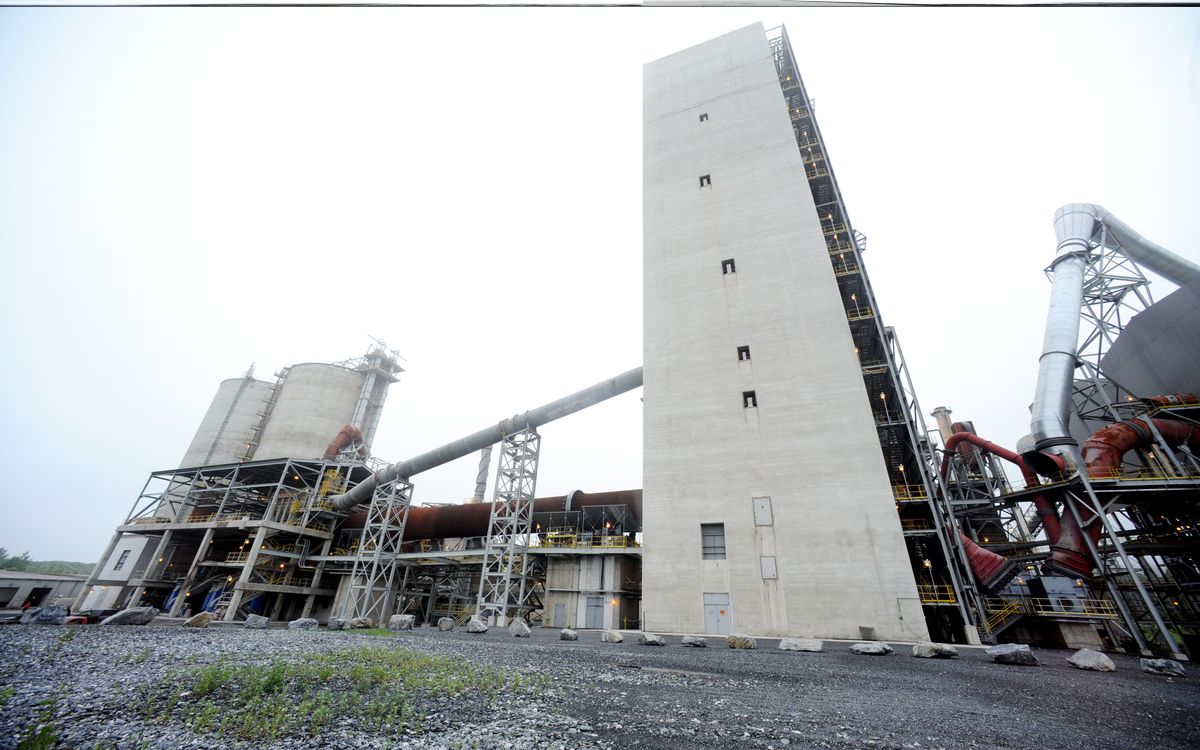
Have you ever wondered about the hidden quarry railroad spur sites in Pennsylvania's Lehigh Valley Cement Region? This area, rich in history, offers a glimpse into the past where railroads played a crucial role in transporting cement and other materials. These railroad spur sites are not just relics; they tell stories of industrial growth and community development. Exploring these sites can be like stepping back in time, seeing how the railroads connected quarries to the rest of the world. Whether you're a history buff or just curious, these hidden gems offer a unique look at a bygone era.
Hidden Quarry Railroad Spur Sites in Pennsylvania's Lehigh Valley Cement
The Lehigh Valley in Pennsylvania is rich with history, especially when it comes to the cement industry. Hidden among the rolling hills and lush landscapes are remnants of old quarry railroad spurs that once played a crucial role in transporting cement. These sites offer a glimpse into the past and are perfect for history buffs and adventure seekers alike.
1. Coplay Cement Company Kilns
The Coplay Cement Company Kilns are a fascinating site to visit. These towering structures are a testament to the area's industrial past.
- Historical Significance: Built in the late 19th century, these kilns were part of the first Portland cement plant in America.
- What to See: The nine remaining kilns stand like sentinels, offering a unique photo opportunity.
- Accessibility: Located in Saylor Park, the kilns are easily accessible and have informative plaques detailing their history.
2. Bath Quarry Railroad Spur
The Bath Quarry Railroad Spur is another hidden gem in the Lehigh Valley. This site offers a more rugged adventure for those willing to explore.
- Historical Significance: This spur was crucial for transporting cement from the Bath quarries to various destinations.
- What to See: While much of the track has been removed, the path it once took is still visible, winding through the countryside.
- Accessibility: Some parts of the spur are on private property, so be sure to respect boundaries and seek permission if necessary.
3. Lehigh Portland Cement Company
The Lehigh Portland Cement Company site is a must-visit for anyone interested in the history of cement production.
- Historical Significance: This company was a major player in the cement industry, helping to build much of America's infrastructure.
- What to See: The old factory buildings and remnants of the railroad spur can still be seen, offering a hauntingly beautiful look at the past.
- Accessibility: The site is partially accessible, with some areas open to the public and others requiring permission to explore.
4. Nazareth Cement Company
Nazareth Cement Company is another key site in the Lehigh Valley's cement history. This location offers a mix of historical intrigue and natural beauty.
- Historical Significance: Founded in the early 20th century, this company was instrumental in the development of the region.
- What to See: The old quarry and railroad spur paths are still visible, providing a tangible link to the past.
- Accessibility: The site is partially accessible, with some areas open for exploration and others restricted.
5. Hercules Cement Company
Hercules Cement Company offers a unique look at the industrial history of the Lehigh Valley. This site is perfect for those who love to explore off-the-beaten-path locations.
- Historical Significance: This company was a significant player in the cement industry, contributing to many major construction projects.
- What to See: The remnants of the old railroad spur and factory buildings are still visible, offering a glimpse into the past.
- Accessibility: The site is mostly accessible, with some areas open to the public and others requiring permission to explore.
6. Keystone Cement Company
Keystone Cement Company is another fascinating site in the Lehigh Valley. This location offers a mix of history and adventure.
- Historical Significance: Founded in the early 20th century, this company played a crucial role in the development of the region.
- What to See: The old quarry and railroad spur paths are still visible, providing a tangible link to the past.
- Accessibility: The site is partially accessible, with some areas open for exploration and others restricted.
7. Whitehall Cement Manufacturing Company
Whitehall Cement Manufacturing Company is a hidden gem in the Lehigh Valley. This site offers a unique look at the region's industrial history.
- Historical Significance: This company was a major player in the cement industry, helping to build much of America's infrastructure.
- What to See: The old factory buildings and remnants of the railroad spur can still be seen, offering a hauntingly beautiful look at the past.
- Accessibility: The site is partially accessible, with some areas open to the public and others requiring permission to explore.
Discovering Lehigh Valley's Hidden Gems
Exploring the hidden quarry railroad spur sites in Pennsylvania's Lehigh Valley offers a unique glimpse into the region's rich industrial past. These sites, often overlooked, tell stories of hard work, innovation, and community growth. Walking through these areas, you can almost hear the echoes of trains and see the bustling activity that once defined them.
For history buffs, train enthusiasts, or anyone curious about local heritage, these hidden gems provide a fascinating journey back in time. They remind us of the importance of preserving our history and appreciating the efforts that built the communities we know today.
Next time you're in Lehigh Valley, take a moment to visit these sites. You'll gain a deeper appreciation for the area's history and the people who shaped it.
