Secrets Of Twisted Pine Railroad Logging On Mount Hood
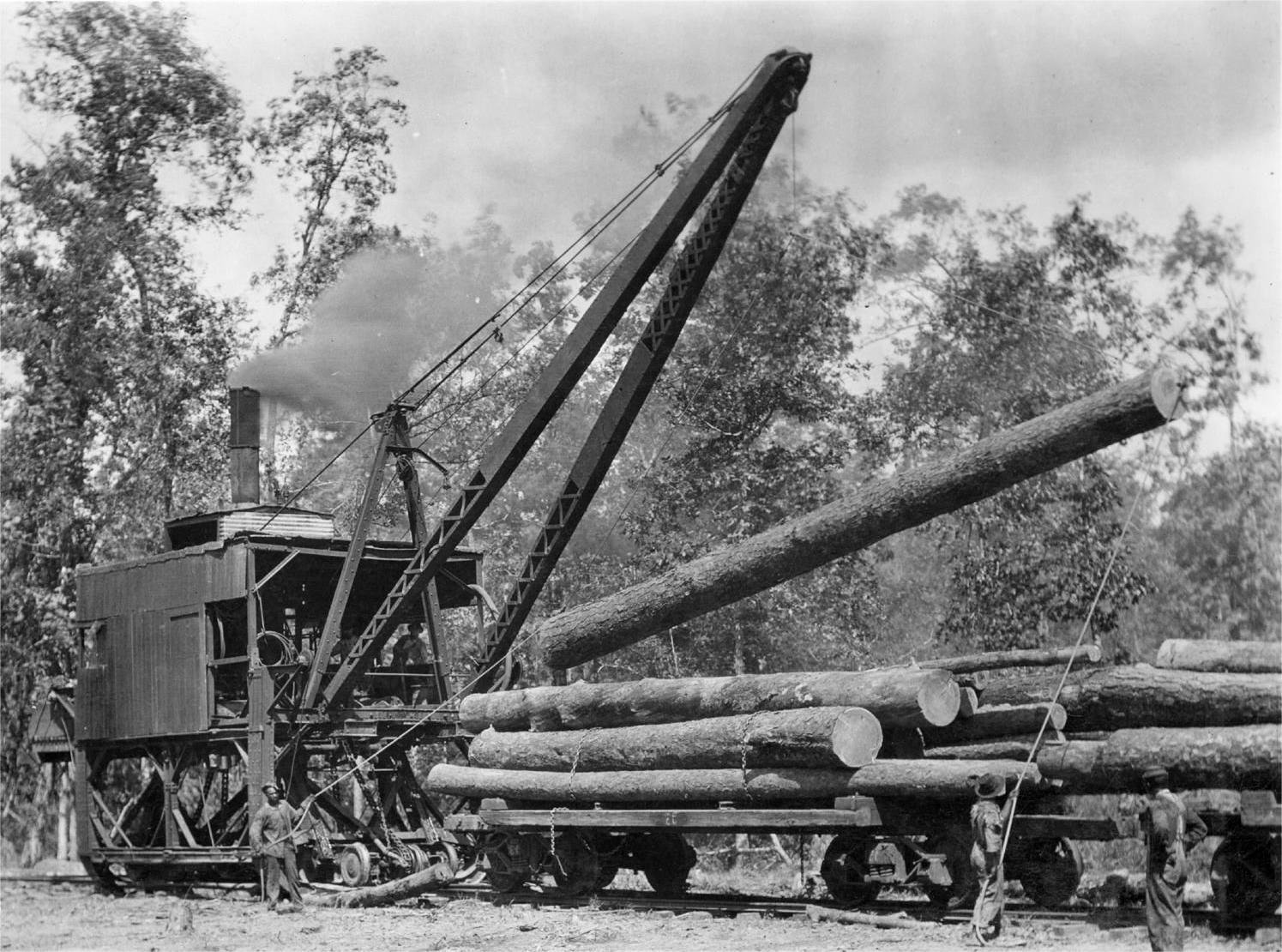
Have you ever wondered about the Twisted Pine Railroad Logging on Mount Hood? This hidden gem offers a glimpse into the past, where towering trees and rugged terrain shaped the lives of loggers. Imagine the sound of steam engines chugging along narrow tracks, hauling massive logs down the mountain. This unique piece of history isn't just about logging; it's about the people who braved the elements and the technology that made it possible. Whether you're a history buff or just curious about the old ways, the story of Twisted Pine Railroad Logging will captivate your imagination. Let's dive into this fascinating chapter of Mount Hood's history.
Secrets of Twisted Pine Railroad Logging on Mount Hood
Mount Hood, a majestic peak in Oregon, hides many secrets. One of the most intriguing is the story of the Twisted Pine Railroad Logging. This logging operation, which took place in the early 20th century, played a crucial role in the development of the region. Let's uncover some of the hidden gems and stories from this fascinating era.
The Birth of Twisted Pine Railroad
The Twisted Pine Railroad was not just a means of transportation; it was a lifeline for the logging industry. Built to navigate the rugged terrain of Mount Hood, this railroad was an engineering marvel of its time.
Construction Challenges: Building the railroad required overcoming steep slopes, dense forests, and unpredictable weather. Workers used innovative techniques to lay tracks on the mountain's challenging landscape.
Engineering Feats: The railroad included several impressive bridges and tunnels, some of which still stand today as a testament to the ingenuity of the engineers.
Economic Impact: The railroad boosted the local economy by providing jobs and facilitating the transport of timber, which was in high demand.
Life in the Logging Camps
Life in the logging camps was tough but filled with camaraderie and a sense of purpose. These camps were the heart of the logging operations, where workers lived and worked in close quarters.
Daily Routine: Loggers' days started early and ended late, with long hours spent cutting and transporting timber. Despite the hard work, there was a strong sense of community among the workers.
Living Conditions: Accommodations were basic, often consisting of simple wooden shacks. However, the camps were well-organized, with mess halls, bunkhouses, and even makeshift entertainment facilities.
Cultural Exchange: The camps were melting pots of different cultures, as workers came from various backgrounds. This diversity enriched the social fabric of the camps.
Environmental Impact and Conservation Efforts
Logging on Mount Hood had a significant impact on the environment. However, it also led to early conservation efforts aimed at preserving the natural beauty of the area.
Deforestation: The extensive logging operations led to large-scale deforestation, which had a lasting impact on the local ecosystem.
Reforestation Initiatives: In response to the environmental damage, early conservationists began reforestation projects to restore the forest. These efforts laid the groundwork for modern conservation practices.
Wildlife Preservation: Logging disrupted local wildlife habitats, prompting efforts to protect and preserve the native species of Mount Hood.
Legacy of Twisted Pine Railroad Logging
The legacy of the Twisted Pine Railroad Logging is still evident today. From historical landmarks to ongoing conservation efforts, the impact of this era continues to shape Mount Hood.
Historical Landmarks: Several sites related to the Twisted Pine Railroad Logging have been preserved as historical landmarks. These sites offer a glimpse into the past and educate visitors about the region's history.
Modern Logging Practices: The lessons learned from the Twisted Pine era have influenced modern logging practices, emphasizing sustainability and environmental responsibility.
Tourism and Education: Today, Mount Hood attracts tourists and history enthusiasts who are eager to learn about the logging history. Educational programs and guided tours help keep the story of Twisted Pine Railroad Logging alive.
The Legacy of Twisted Pine Railroad Logging
Twisted Pine Railroad Logging on Mount Hood offers a glimpse into a rugged past. The logging industry shaped the region, leaving behind tales of hard work, innovation, and community. The railroad itself, with its winding tracks and sturdy locomotives, stands as a testament to human ingenuity and determination. Exploring this history provides a deeper appreciation for the area's natural beauty and the efforts to preserve it. Whether you're a history buff or just curious, the stories of Twisted Pine Railroad Logging are worth discovering. They remind us of the resilience and resourcefulness of those who came before us. So next time you visit Mount Hood, take a moment to reflect on the legacy of the loggers and the railroads that once roared through its forests. Their impact is still felt today, echoing through the mountains and valleys of this majestic landscape.