

Secrets Of Oregon’s Santiam Forest Logging Camp Sites
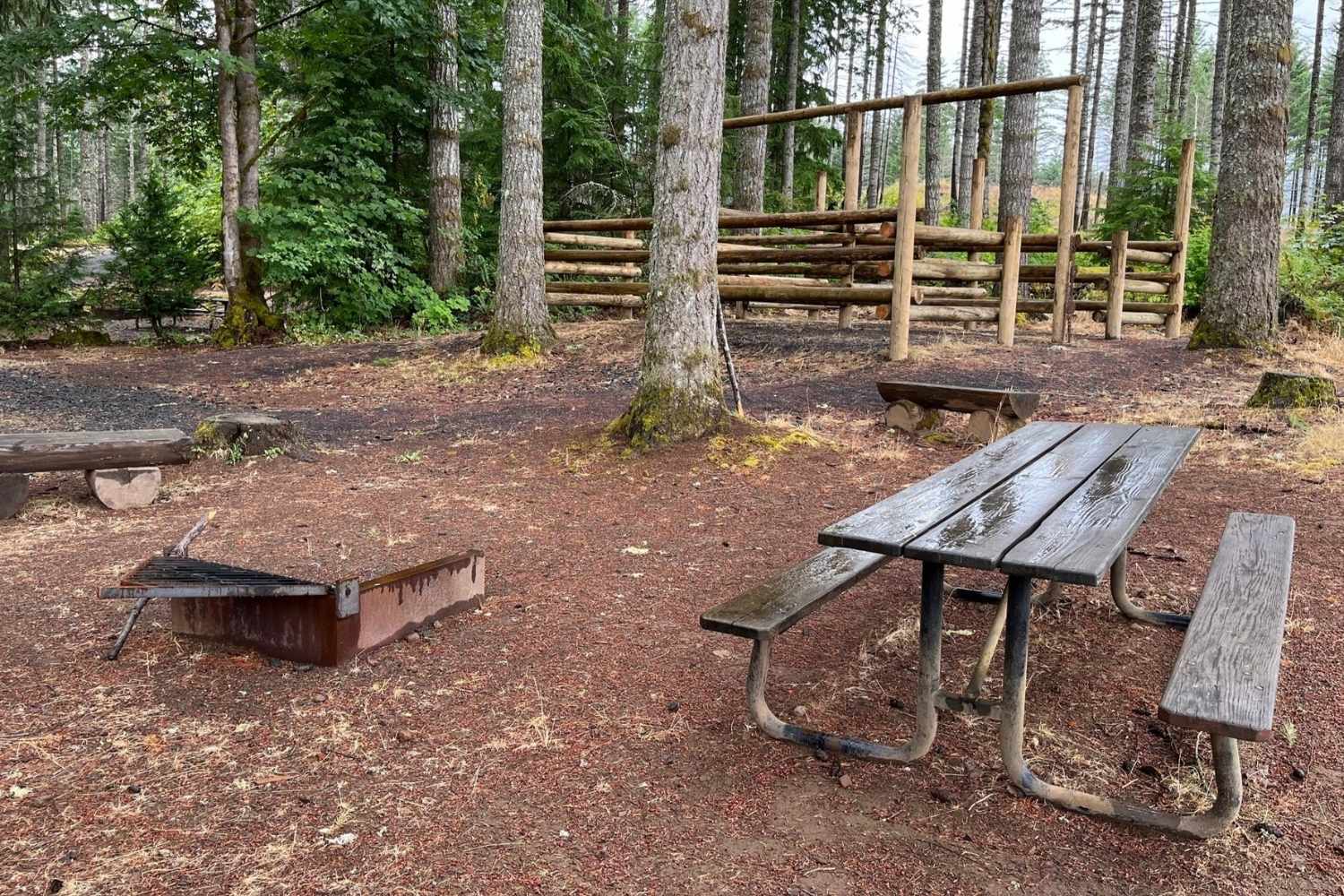
Have you ever wondered what life was like in the old logging camps of Oregon's Santiam Forest? These historic sites tell stories of hard work, community, and survival in the rugged wilderness. Imagine waking up to the sound of saws and axes, surrounded by towering trees and the smell of fresh pine. Workers lived in simple cabins, shared meals in communal dining halls, and faced the daily challenges of logging in a dense forest. Visiting these sites today offers a glimpse into the past, where you can see remnants of cabins, tools, and even old rail tracks. Santiam Forest logging camp sites are a fascinating window into Oregon's rich history.
Discovering the Hidden Gems of Santiam Forest
Oregon's Santiam Forest is a treasure trove of history and natural beauty. Among its dense trees and winding trails lie remnants of old logging camps, each with its own story to tell. These sites offer a glimpse into the past, where loggers once toiled and lived. Let's uncover some of these hidden gems.
1. Hoover Camp
Hoover Camp, named after President Herbert Hoover, is one of the most well-preserved logging camps in Santiam Forest. This site offers a fascinating look into the early 20th-century logging industry.
- Historical Significance: Hoover Camp was a bustling hub during the 1920s and 1930s. It played a crucial role in the timber industry, providing jobs and resources.
- What to See: Visitors can explore old cabins, machinery, and even a small museum dedicated to the camp's history.
- Activities: Hiking trails around the camp offer stunning views of the forest and nearby rivers.
2. Detroit Camp
Detroit Camp, not to be confused with the city, is another notable site within Santiam Forest. This camp has a rich history and offers a unique experience for visitors.
- Historical Background: Established in the early 1900s, Detroit Camp was a key location for logging operations. It was named after the nearby Detroit Lake.
- What to Explore: The camp features remnants of old logging equipment, cabins, and a picturesque view of Detroit Lake.
- Activities: Fishing, boating, and hiking are popular activities around this area.
3. Mill City Camp
Mill City Camp is a lesser-known but equally fascinating site in Santiam Forest. This camp provides a more secluded and intimate look into the logging history of the region.
- Historical Context: Mill City Camp was a smaller operation compared to others but played a vital role in the local economy during its peak.
- What to Discover: Visitors can find old logging roads, abandoned machinery, and the foundations of former buildings.
- Activities: The area is perfect for those who enjoy off-the-beaten-path adventures, with plenty of opportunities for hiking and wildlife spotting.
4. Marion Forks Camp
Marion Forks Camp is a must-visit for history buffs and nature lovers alike. This camp offers a blend of historical intrigue and natural beauty.
- Historical Importance: Marion Forks Camp was a significant site for logging in the early 1900s. It was named after the nearby Marion Forks River.
- What to See: The camp features old bunkhouses, logging equipment, and interpretive signs that tell the story of the camp's past.
- Activities: Fishing in the Marion Forks River, hiking, and bird watching are popular activities in this area.
5. Breitenbush Camp
Breitenbush Camp is a unique site within Santiam Forest, known for its historical significance and natural hot springs.
- Historical Background: Established in the late 1800s, Breitenbush Camp was one of the earliest logging camps in the area. It later became known for its hot springs.
- What to Explore: Visitors can see old logging equipment, cabins, and enjoy the natural hot springs that are still in use today.
- Activities: Soaking in the hot springs, hiking, and exploring the surrounding forest are popular activities here.
6. Elkhorn Camp
Elkhorn Camp offers a serene and picturesque setting, perfect for those looking to delve into the history of logging in Santiam Forest.
- Historical Significance: Elkhorn Camp was a major logging site in the early 1900s. It played a crucial role in supplying timber to nearby towns.
- What to See: The camp features old logging roads, machinery, and the remains of worker cabins.
- Activities: Hiking, wildlife viewing, and exploring the historical remnants are popular activities in this area.
7. Quartzville Camp
Quartzville Camp is a hidden gem within Santiam Forest, offering a unique blend of history and natural beauty.
- Historical Context: Quartzville Camp was established in the late 1800s and was a key site for gold mining before becoming a logging camp.
- What to Discover: Visitors can explore old mining equipment, logging machinery, and the foundations of former buildings.
- Activities: Hiking, gold panning, and exploring the Quartzville Creek are popular activities in this area.
8. Green Peter Camp
Green Peter Camp is another fascinating site within Santiam Forest, known for its historical significance and scenic beauty.
- Historical Background: Established in the early 1900s, Green Peter Camp was a major logging site. It was named after the nearby Green Peter Mountain.
- What to Explore: The camp features old logging equipment, cabins, and interpretive signs that tell the story of the camp's past.
- Activities: Hiking, fishing in the nearby Green Peter Reservoir, and exploring the surrounding forest are popular activities here.
9. Cascadia Camp
Cascadia Camp offers a unique blend of history and natural beauty, making it a must-visit site within Santiam Forest.
- Historical Importance: Cascadia Camp was a significant logging site in the early 1900s. It played a crucial role in the local economy.
- What to See: The camp features old logging roads, machinery, and the remains of worker cabins.
- Activities: Hiking, wildlife viewing, and exploring the historical remnants are popular activities in this area.
Discovering Santiam Forest's Hidden Gems
Exploring Oregon's Santiam Forest logging camp sites offers a unique glimpse into the past. These hidden gems tell stories of hard work, community, and the rugged beauty of the Pacific Northwest. Walking through these sites, you can almost hear the echoes of loggers and see the remnants of their daily lives.
Whether you're a history buff, nature lover, or just curious, these sites provide a rich experience. The forest itself is stunning, with towering trees and lush greenery. It's a perfect spot for hiking, photography, or simply soaking in the tranquility.
Visiting these logging camp sites is like stepping back in time. You gain a deeper appreciation for the people who shaped this land and the natural beauty that surrounds it. So, pack your hiking boots and a sense of adventure. Santiam Forest awaits.
