

Secrets Of Oregon’s Mount Hood Timber Flumes
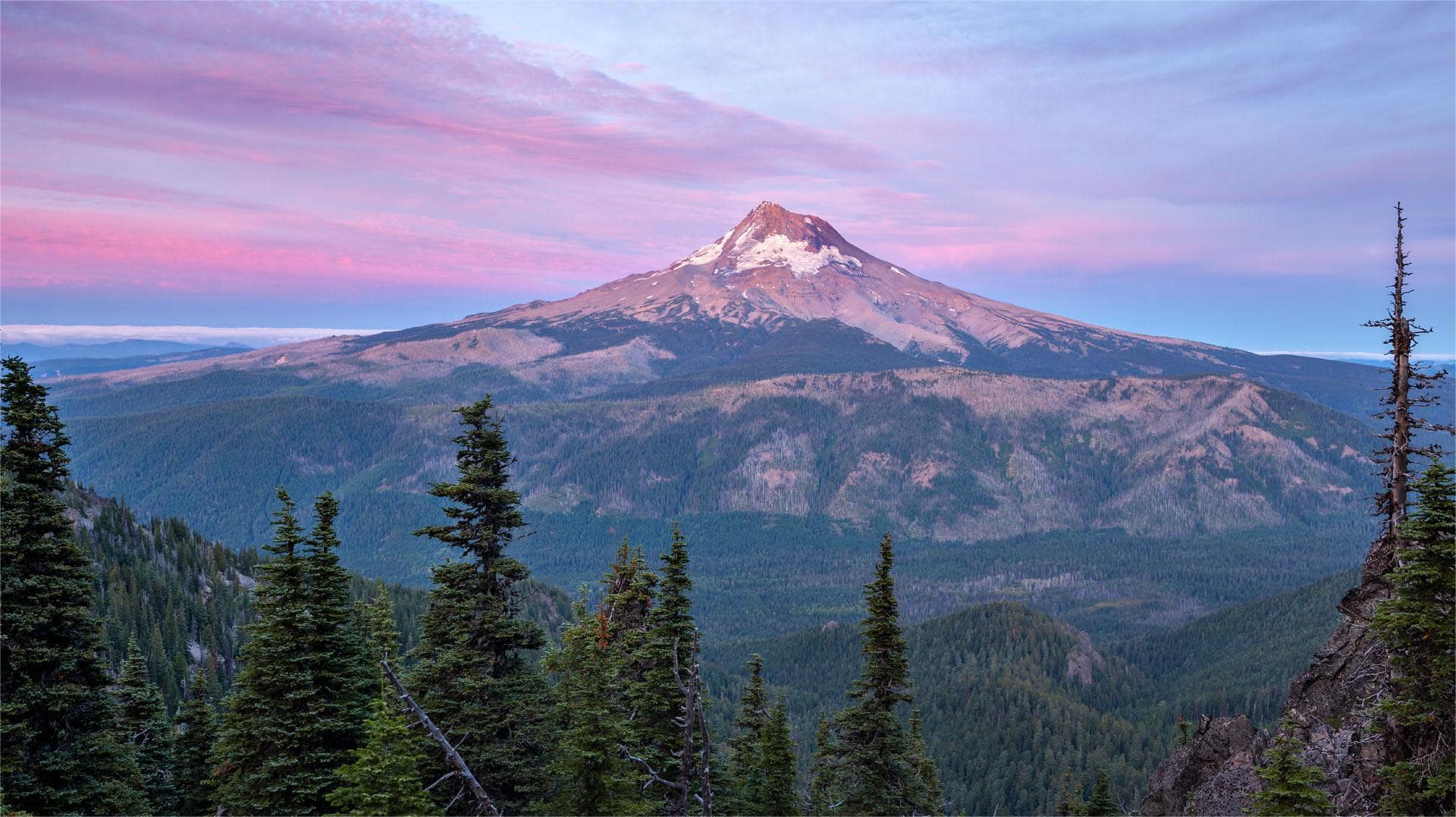
Have you ever wondered about the hidden gems of Oregon? One such marvel is Mount Hood's timber flumes. These historic structures once played a crucial role in transporting logs down the mountain. Imagine wooden channels winding through lush forests, carrying timber to mills below. Today, they offer a glimpse into the past and a unique adventure for those who seek it. Hiking along these flumes, you can almost hear the echoes of logs rushing down. Whether you're a history buff or an outdoor enthusiast, exploring Mount Hood's timber flumes is a must. Ready to step back in time and experience this piece of Oregon's history?
Secrets of Oregon's Mount Hood Timber Flumes
Mount Hood, Oregon, is a treasure chest of natural beauty and historical intrigue. One of its lesser-known gems is the timber flumes that once played a crucial role in the logging industry. These flumes, essentially wooden channels, transported logs from the mountains to mills. Let's uncover some of the secrets and stories behind these fascinating structures.
The Origins of Timber Flumes
Timber flumes were an ingenious solution to a challenging problem: how to move heavy logs from remote forest locations to sawmills. These wooden channels, often miles long, used the natural force of gravity and water to transport logs efficiently.
Baldwin Creek Flume
- Located near Baldwin Creek, this flume was one of the earliest in the Mount Hood area. It stretched for several miles, winding through dense forests and rugged terrain. The Baldwin Creek Flume was a marvel of engineering, showcasing the ingenuity of early loggers.
Zigzag River Flume
- The Zigzag River Flume was named for its winding path along the Zigzag River. This flume was particularly challenging to construct due to the river's unpredictable flow and rocky banks. Despite these obstacles, it became a vital route for transporting timber.
Engineering Marvels
The construction of timber flumes required precise engineering and a deep understanding of the local landscape. Builders had to account for changes in elevation, water flow, and the weight of the logs.
Salmon River Flume
- The Salmon River Flume was a testament to the skill of its builders. Spanning several miles, it navigated steep inclines and sharp turns with ease. The flume's design allowed for a steady flow of water, ensuring that logs moved smoothly from the forest to the mill.
White River Flume
- The White River Flume was another engineering marvel. It crossed the White River at several points, using a series of trestles and bridges to maintain a consistent gradient. This flume was known for its durability, withstanding harsh weather and heavy use.
The Decline of Timber Flumes
As technology advanced, timber flumes became less common. The introduction of railroads and trucks provided more efficient means of transporting logs. However, the legacy of these flumes remains, offering a glimpse into the past.
Sandy River Flume
- The Sandy River Flume was one of the last to be constructed in the Mount Hood area. It operated for several decades before being replaced by modern transportation methods. Today, remnants of the flume can still be seen along the river, a reminder of its historical significance.
Little Zigzag Falls Flume
- Near Little Zigzag Falls, this flume was shorter than others but played a crucial role in the local logging industry. Its remains are now part of a popular hiking trail, allowing visitors to walk in the footsteps of early loggers.
Legacy and Preservation
Efforts to preserve the history of timber flumes are ongoing. These structures are a testament to the resourcefulness and determination of early loggers, and they offer valuable insights into the region's history.
Mount Hood Cultural Center and Museum
- Located in Government Camp, this museum features exhibits on the history of timber flumes and the logging industry. Visitors can learn about the construction and operation of these flumes, as well as the people who built and used them.
Timberline Lodge
- While not a flume itself, Timberline Lodge offers stunning views of Mount Hood and the surrounding forests. The lodge's history is intertwined with the logging industry, making it a fitting place to reflect on the legacy of timber flumes.
Mount Hood's timber flumes may no longer be in use, but their stories continue to captivate those who seek to understand the region's past. From engineering feats to historical landmarks, these flumes are a testament to human ingenuity and the enduring spirit of the Pacific Northwest.
Discover Mount Hood's Hidden Gem
Mount Hood's timber flumes offer a unique glimpse into Oregon's rich history. These wooden channels, once used to transport logs, now provide a fascinating adventure for visitors. Walking along these flumes, you can almost hear the echoes of the past. The surrounding forests and streams add to the charm, making it a perfect spot for nature lovers and history buffs alike. Whether you're hiking, taking photos, or just soaking in the scenery, the flumes offer something special. Don't miss out on this hidden gem next time you're in Oregon. It's a chance to step back in time and appreciate the ingenuity and hard work of those who came before us. So, lace up your hiking boots and get ready to explore one of Mount Hood's best-kept secrets.
