Secrets Of Oregon’s Forest Research Programs
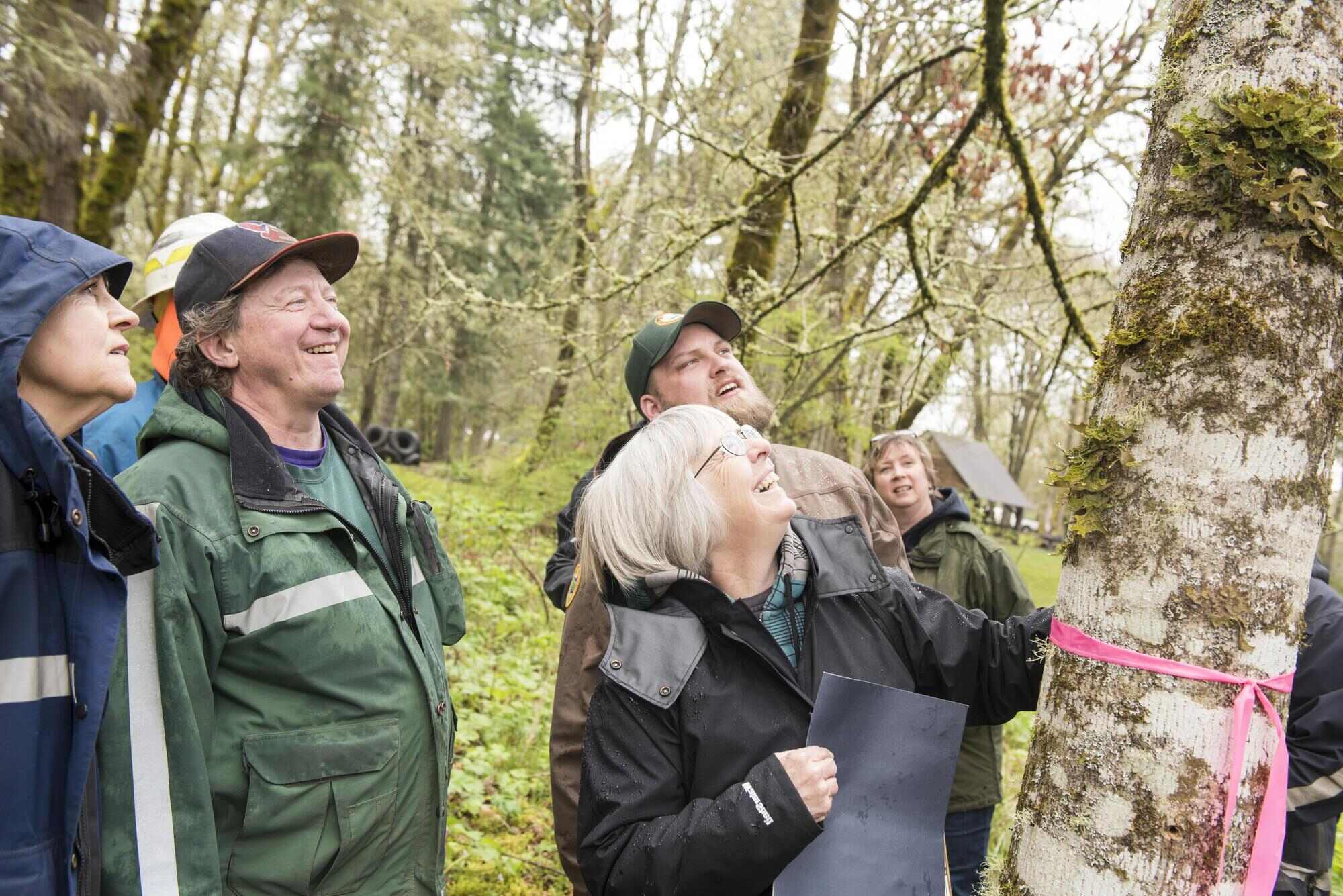
Have you ever wondered what makes Oregon's forests so unique? The answer lies in the forest research programs that have been quietly shaping these landscapes for years. These programs focus on everything from tree health to wildlife habitats, ensuring that the forests remain vibrant and sustainable. Scientists and researchers work tirelessly to study the intricate ecosystems, discovering new ways to protect and manage them. Whether you're a nature enthusiast or just curious about the natural world, understanding these research efforts can give you a deeper appreciation for Oregon's lush, green expanses. Ready to learn more about the secrets behind these majestic forests? Let's dive in!
Discovering Oregon's Forest Research Programs
Oregon's lush forests are not just a sight to behold; they are also a hub for groundbreaking research. These programs delve into the mysteries of forest ecosystems, sustainability, and conservation. Let's explore some of the key places where this important work happens.
1. H.J. Andrews Experimental Forest
Nestled in the western Cascade Range, the H.J. Andrews Experimental Forest is a living laboratory. Researchers here study everything from tree growth to climate change impacts.
- Location: Blue River, Oregon
- Focus: Long-term ecological research
- Unique Feature: 16,000 acres of diverse forest ecosystems
2. Oregon State University's College of Forestry
OSU's College of Forestry is a leader in forest science education and research. Their work spans from forest management to advanced wood products.
- Location: Corvallis, Oregon
- Focus: Sustainable forestry practices
- Unique Feature: Cutting-edge research facilities and labs
3. Mount Hood National Forest
Mount Hood National Forest is not just a recreational haven but also a research hotspot. Scientists study forest health, fire ecology, and wildlife habitats here.
- Location: Near Portland, Oregon
- Focus: Forest health and fire ecology
- Unique Feature: Home to Oregon's highest peak, Mount Hood
4. Pacific Northwest Research Station
Part of the U.S. Forest Service, this station conducts research across Oregon, Washington, and Alaska. Their work informs forest management policies and practices.
- Location: Portland, Oregon
- Focus: Forest ecosystems and climate change
- Unique Feature: Collaboration with universities and other research institutions
5. Tillamook State Forest
The Tillamook State Forest is a living example of forest recovery. After devastating fires in the 1930s and 1940s, it has become a site for studying forest regeneration and management.
- Location: Northwest Oregon
- Focus: Forest regeneration and management
- Unique Feature: The Tillamook Forest Center, an educational hub
6. Crater Lake National Park
Crater Lake National Park is not only famous for its stunning blue lake but also for its research on volcanic landscapes and forest ecosystems.
- Location: Southern Oregon
- Focus: Volcanic landscapes and forest ecosystems
- Unique Feature: Deepest lake in the United States
7. Deschutes National Forest
Deschutes National Forest offers a diverse range of research opportunities, from studying old-growth forests to understanding the impacts of recreational activities.
- Location: Central Oregon
- Focus: Old-growth forests and recreation impacts
- Unique Feature: Home to the Newberry National Volcanic Monument
8. Oregon Caves National Monument and Preserve
This unique site combines cave exploration with forest research. Scientists study the interactions between the cave environment and the surrounding forest.
- Location: Southwestern Oregon
- Focus: Cave and forest interactions
- Unique Feature: Marble caves and ancient forests
9. Siuslaw National Forest
Siuslaw National Forest is a coastal gem where researchers study coastal ecosystems, forest health, and the impacts of climate change.
- Location: Oregon Coast
- Focus: Coastal ecosystems and climate change
- Unique Feature: Sand dunes and lush coastal forests
10. Umpqua National Forest
Umpqua National Forest is a hotspot for studying biodiversity, forest health, and water resources. Its diverse landscapes provide a rich field for research.
- Location: Southwestern Oregon
- Focus: Biodiversity and water resources
- Unique Feature: Umpqua Hot Springs and waterfalls
Oregon's Forest Research Impact
Oregon's forest research programs are vital for understanding and preserving the state's rich natural resources. These initiatives focus on sustainable forestry practices, wildlife conservation, and climate change adaptation. By studying forest ecosystems, researchers develop strategies to manage forests more effectively, ensuring they remain healthy and productive for future generations.
The collaboration between universities, government agencies, and local communities strengthens these efforts. Public involvement and education play a crucial role in the success of these programs. When people understand the importance of forests, they are more likely to support conservation efforts.
Oregon's commitment to forest research sets an example for other regions. The knowledge gained here can be applied globally, helping to address environmental challenges. Supporting these programs means investing in a sustainable future for both Oregon and the planet.