Secrets Of Oregon’s Forest Research Networks
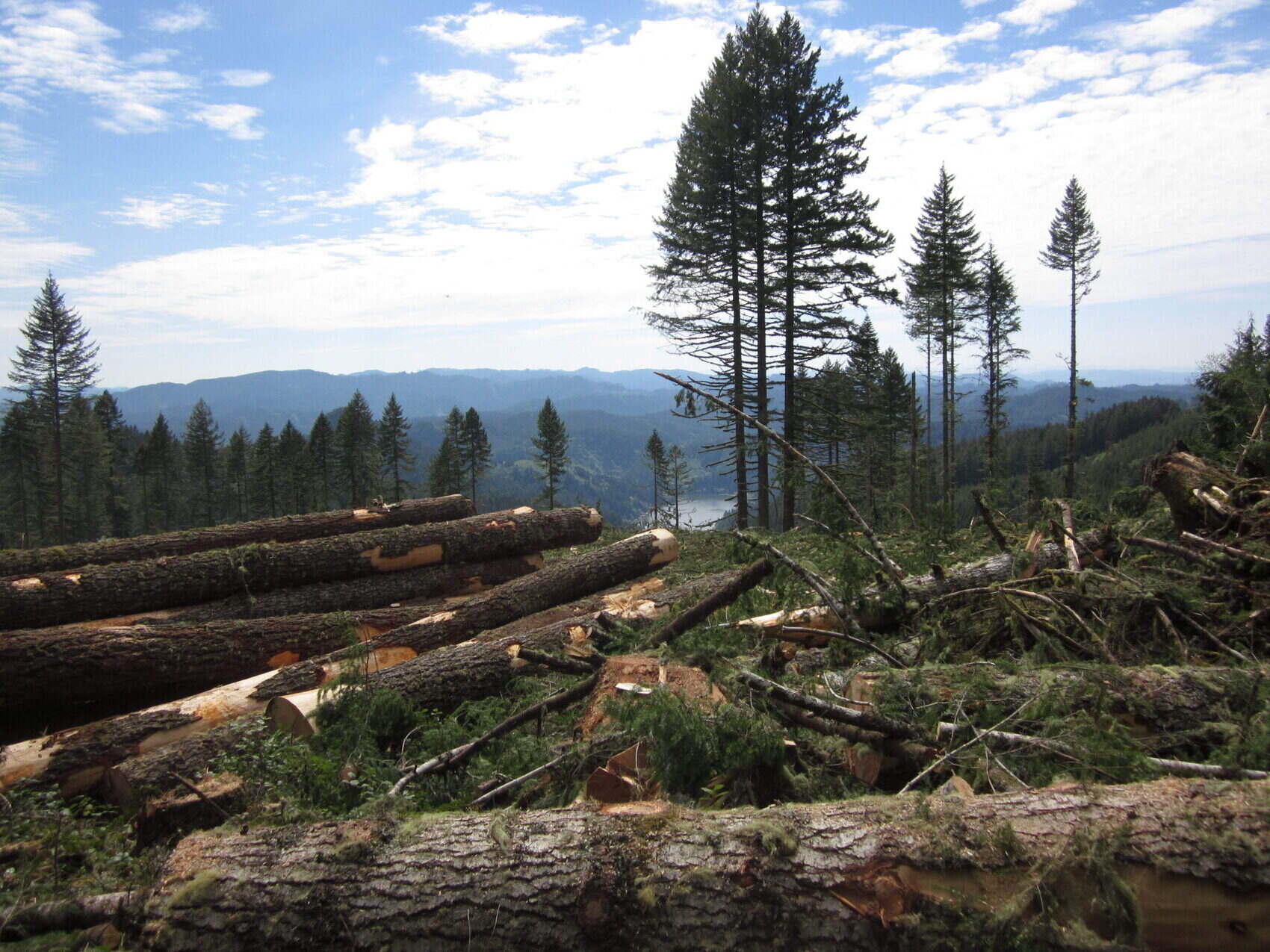
Have you ever wondered how scientists keep track of the health of forests? Oregon's forest research networks hold the key. These networks consist of various monitoring stations and research plots scattered across the state. They collect data on tree growth, soil health, and wildlife activity. This information helps researchers understand how forests respond to changes in climate, pests, and human activities. By studying these patterns, scientists can develop strategies to protect and manage forests more effectively. Whether you're a nature lover or just curious about science, learning about these networks offers a glimpse into the intricate world of forest ecosystems.
Secrets of Oregon's Forest Research Networks
Oregon's forests are more than just trees and trails. They are living laboratories where scientists study ecosystems, wildlife, and climate change. Let's uncover some of the best places in Oregon where forest research is happening.
H.J. Andrews Experimental Forest
Nestled in the western Cascades, this forest is a hub for long-term ecological research. Scientists here study everything from old-growth forests to stream ecosystems.
- Blue River Reservoir: A serene spot where researchers study water quality and aquatic life.
- Lookout Creek: Perfect for observing stream ecology and the impact of logging on waterways.
- Watershed 1: A controlled area used to study the effects of clear-cutting on forest ecosystems.
Mount Hood National Forest
Mount Hood isn't just for skiing. It's also a research hotspot for studying volcanic landscapes and forest recovery.
- Timberline Lodge: Researchers use this historic site to study alpine ecosystems and climate change.
- Bull Run Watershed: A critical area for studying water supply and forest health.
- Zigzag Ranger District: Known for its research on forest fire recovery and soil health.
Oregon State University's McDonald-Dunn Forest
This forest serves as an outdoor classroom for students and a research site for scientists.
- Peavy Arboretum: A living library of tree species used for educational and research purposes.
- Cronemiller Lake: Ideal for studying aquatic ecosystems and water management.
- Forest Discovery Trail: A trail that showcases ongoing research projects and forest management techniques.
Siuslaw National Forest
Located along the coast, this forest is a prime location for studying coastal ecosystems and the impact of human activities.
- Cape Perpetua: Researchers study marine and terrestrial ecosystems here.
- Alsea River: A key site for studying salmon populations and river health.
- Marys Peak: The highest point in the Coast Range, used for climate and atmospheric research.
Deschutes National Forest
This forest offers a unique landscape for studying volcanic activity, forest management, and wildlife.
- Newberry National Volcanic Monument: Researchers study volcanic landscapes and geothermal activity.
- Metolius River: Known for its pristine water, it's a hotspot for studying aquatic ecosystems.
- Lava Butte: A site for studying the impact of volcanic eruptions on forest ecosystems.
Crater Lake National Park
Famous for its deep blue waters, Crater Lake is also a research site for studying volcanic activity and climate change.
- Wizard Island: Researchers study the island's unique volcanic features.
- Rim Drive: Offers panoramic views and is used for atmospheric and climate research.
- Cleetwood Cove: The only place where you can legally swim in Crater Lake, also a site for water quality studies.
Umpqua National Forest
This forest is a treasure trove for studying biodiversity, forest management, and the impact of wildfires.
- Toketee Falls: A stunning waterfall where researchers study aquatic ecosystems.
- North Umpqua River: Known for its clear water, it's a key site for studying fish populations.
- Rogue-Umpqua Divide: A unique area for studying the transition between different forest types.
The Impact of Oregon's Forest Research Networks
Oregon's forest research networks play a crucial role in understanding and preserving the state's rich natural resources. These networks provide valuable data on forest health, biodiversity, and climate change impacts. Researchers use this information to develop strategies for sustainable forest management, ensuring that these ecosystems remain vibrant for future generations.
By studying tree growth, soil composition, and wildlife patterns, scientists can make informed decisions that balance conservation with economic needs. These efforts help protect endangered species, prevent wildfires, and maintain clean air and water.
Oregon's commitment to forest research not only benefits the environment but also supports local communities and industries. The knowledge gained from these networks fosters a deeper appreciation for the natural world and highlights the importance of preserving it.
Understanding these networks underscores the need for continued investment in forest research and conservation efforts.