Secrets Of Mushroom Foraging On Mount Hood
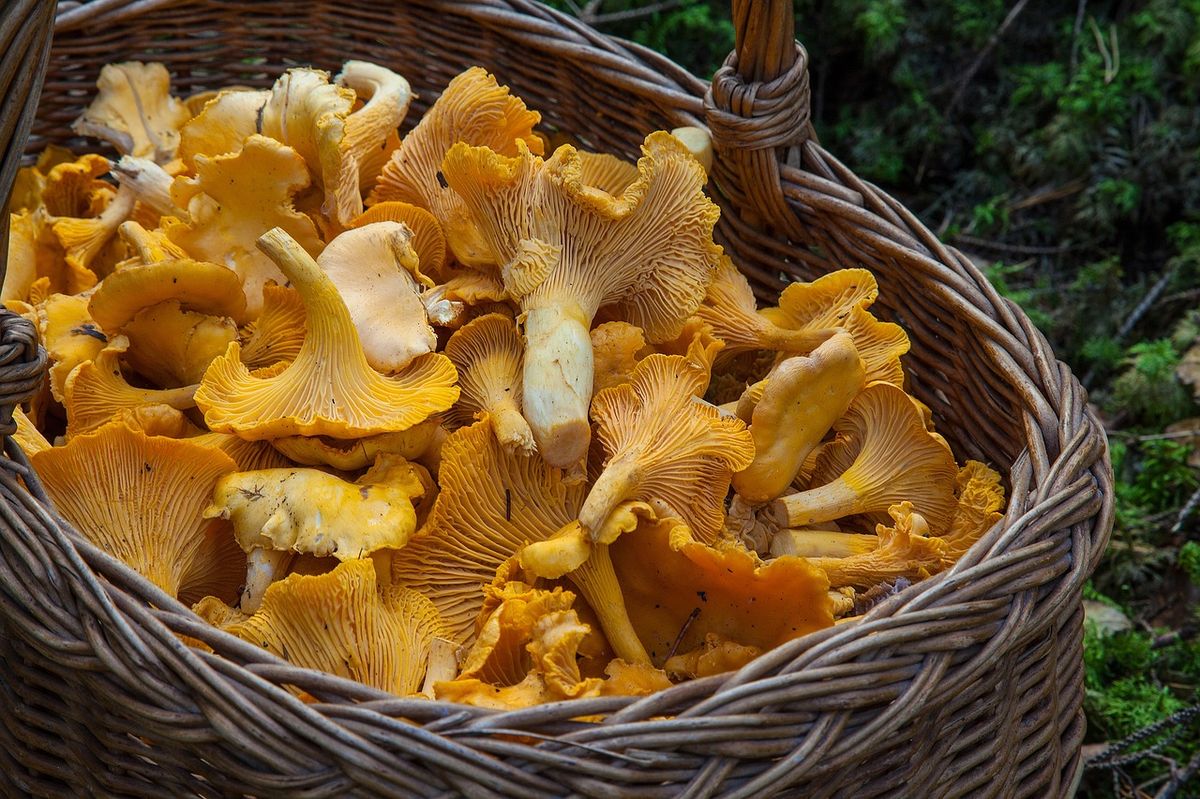
Have you ever wondered about the secrets of mushroom foraging on Mount Hood? This majestic mountain, located in Oregon, offers a treasure trove of wild mushrooms waiting to be found. From chanterelles to morels, the diverse ecosystem provides a perfect habitat for these fungi. Whether you're a seasoned forager or a curious beginner, Mount Hood has something for everyone. Imagine walking through lush forests, the crisp air filled with the earthy scent of mushrooms. It's not just about the hunt; it's also about connecting with nature and enjoying the beauty of the Pacific Northwest. Ready to learn more? Let's dive into the world of mushroom foraging on Mount Hood!
Secrets of Mushroom Foraging on Mount Hood
Mount Hood, Oregon's tallest peak, offers more than just stunning views and thrilling hikes. It's a mushroom forager's paradise. With its diverse ecosystems, Mount Hood provides the perfect environment for a variety of mushrooms. Whether you're a seasoned forager or a curious beginner, these spots will help you uncover the hidden treasures of the forest floor.
Best Times for Mushroom Foraging
Timing is everything in mushroom foraging. The best times to hunt for mushrooms on Mount Hood are during the spring and fall. These seasons provide the right mix of moisture and temperature for mushrooms to thrive. Keep an eye on the weather and head out after a good rain for the best results.
Top Foraging Spots on Mount Hood
1. Trillium Lake
Trillium Lake, known for its picturesque views of Mount Hood, is also a hotspot for mushroom foraging. The lake's surrounding forests are rich with chanterelles, morels, and boletes. The easy trails make it accessible for foragers of all levels.
2. Lost Lake
Lost Lake offers a serene setting for mushroom hunting. The old-growth forests around the lake are home to a variety of mushrooms, including matsutake and lobster mushrooms. The trails here are well-marked, making it easy to explore.
3. Zigzag Mountain
Zigzag Mountain's diverse terrain provides an excellent habitat for mushrooms. Look for morels and chanterelles along the trails. The higher elevation can offer a different variety of mushrooms compared to lower areas.
4. Salmon River Trail
The Salmon River Trail is a favorite among foragers. The lush, moist environment along the river is perfect for mushrooms like oyster mushrooms and hedgehog mushrooms. The trail is long but offers plenty of opportunities to find hidden gems.
5. Ramona Falls
Ramona Falls is not just a beautiful waterfall; it's also a great spot for mushroom foraging. The shaded, damp areas around the falls are ideal for finding mushrooms such as chanterelles and morels. The hike to the falls is moderate, making it a good choice for a day trip.
6. Timberline Lodge Area
The area around Timberline Lodge is another excellent spot for mushroom hunting. The higher elevation and varied terrain support a range of mushrooms, including boletes and morels. The trails here can be more challenging, so be prepared for a bit of a workout.
7. Mount Hood Meadows
Mount Hood Meadows, known for its ski slopes, transforms into a mushroom forager's dream in the off-season. The meadows and surrounding forests are rich with a variety of mushrooms, including chanterelles and matsutake. The open spaces make it easy to spot mushrooms.
8. Tamanawas Falls
Tamanawas Falls offers a scenic backdrop for mushroom foraging. The trail to the falls winds through forests that are home to mushrooms like oyster mushrooms and chanterelles. The hike is relatively easy, making it a great option for families.
9. Cooper Spur
Cooper Spur, located on the northeast side of Mount Hood, is a lesser-known spot for mushroom foraging. The area is rich with boletes and morels. The trails here are less crowded, offering a peaceful foraging experience.
10. White River Sno-Park
White River Sno-Park is a popular winter destination, but it's also great for mushroom foraging in the warmer months. The diverse terrain supports a variety of mushrooms, including chanterelles and lobster mushrooms. The open areas make it easy to search for mushrooms.
Tips for Successful Mushroom Foraging
Foraging for mushrooms requires some knowledge and preparation. Here are a few tips to help you have a successful outing:
- Know Your Mushrooms: Learn to identify edible mushrooms and their poisonous look-alikes.
- Bring the Right Gear: Carry a basket, knife, and field guide.
- Respect Nature: Only take what you need and leave some mushrooms behind to ensure future growth.
- Stay Safe: Let someone know where you're going and bring a map or GPS device.
Happy foraging!
Embrace the Adventure of Mushroom Foraging
Mushroom foraging on Mount Hood offers a unique blend of adventure and discovery. The diverse ecosystem provides a rich variety of mushrooms, making each trip an exciting experience. Always remember to bring a reliable field guide and never consume mushrooms unless you're absolutely certain of their identity. Local experts and foraging groups can offer valuable insights and tips. Respect the environment by following sustainable foraging practices, ensuring that future generations can also enjoy this natural treasure. Whether you're a seasoned forager or a curious beginner, the thrill of finding hidden fungi in the forest is unmatched. So, lace up your hiking boots, grab your basket, and head to Mount Hood for an unforgettable foraging adventure. Happy hunting!