

Hidden Logging Practices At Oregon’s Corvallis Research Centers
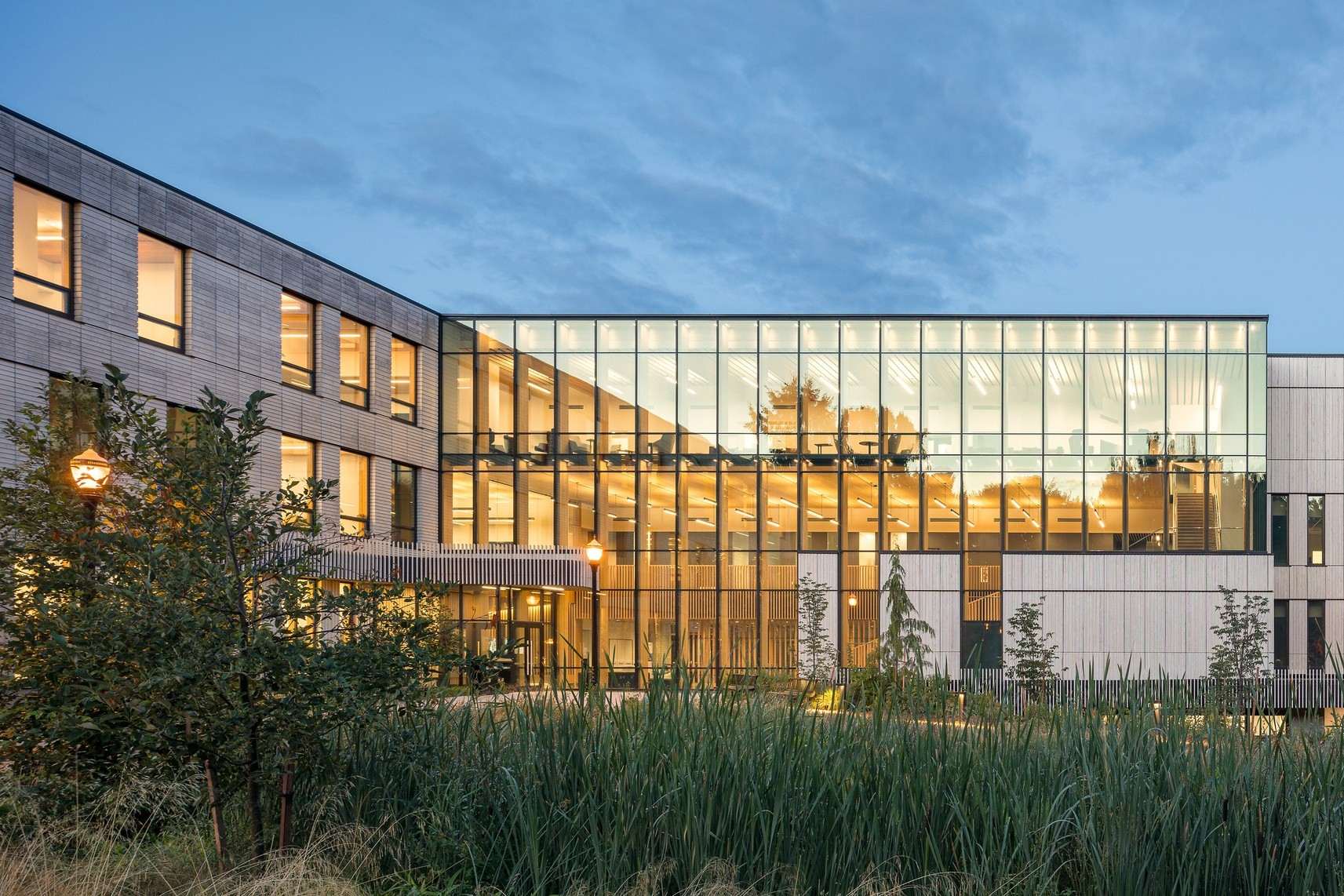
Have you ever wondered what goes on behind the scenes at Oregon's Corvallis Research Centers? These centers are known for their cutting-edge studies, but there's more than meets the eye. Hidden logging practices are a significant part of their operations. These activities help scientists understand forest ecosystems better. By studying tree growth, soil health, and wildlife habitats, researchers can develop sustainable forestry methods. This research is crucial for maintaining healthy forests and combating climate change. Next time you think about forests, remember the important work happening at Corvallis Research Centers. Their efforts ensure our forests remain vibrant for future generations.
Unveiling the Secrets of Oregon's Corvallis Research Centers
Oregon's Corvallis Research Centers are known for their cutting-edge studies in forestry and environmental science. However, beneath the surface lies a web of hidden logging practices that often go unnoticed. Let's delve into some of these lesser-known activities.
The Silent Timber Harvests
Within the lush forests of Corvallis, silent timber harvests occur frequently. These operations are often masked by the guise of research, making it hard to distinguish between genuine scientific study and commercial logging.
McDonald-Dunn Forest: This forest is a hub for research, but it also sees significant logging activities. Trees are selectively harvested under the pretext of studying forest management techniques.
Peavy Arboretum: Known for its educational trails, Peavy Arboretum also engages in logging. The timber harvested here is often used to fund further research, blurring the lines between conservation and commerce.
The Role of Experimental Plots
Experimental plots are small sections of forest designated for scientific study. However, these plots sometimes serve as fronts for more extensive logging operations.
H.J. Andrews Experimental Forest: This site is renowned for its long-term ecological research. Yet, logging within these experimental plots is not uncommon, often justified as necessary for studying forest dynamics.
OSU Research Forests: Managed by Oregon State University, these forests include numerous experimental plots. Logging here is often conducted under the radar, with the timber sold to support university programs.
The Impact on Local Ecosystems
Logging, even when conducted under the guise of research, can have profound effects on local ecosystems. The removal of trees disrupts habitats and alters the natural balance of the forest.
Soap Creek Valley: This area has seen extensive logging activities, impacting local wildlife and plant species. The changes in the ecosystem are often attributed to research, but the commercial benefits are undeniable.
Dunn Forest: Logging in Dunn Forest has led to soil erosion and changes in water quality. These environmental impacts are often overlooked in favor of the economic gains from timber sales.
Community Awareness and Response
Local communities are becoming increasingly aware of these hidden logging practices. Efforts are being made to hold research centers accountable and ensure that genuine scientific study is not compromised by commercial interests.
Corvallis Environmental Center: This organization works to raise awareness about the hidden logging practices in local research forests. They advocate for transparency and sustainable forest management.
Friends of OSU Forests: A group dedicated to protecting the integrity of OSU's research forests. They push for stricter regulations and better oversight to prevent commercial logging from overshadowing scientific research.
The Future of Research Forests
The future of these research forests depends on finding a balance between scientific study and commercial interests. Sustainable practices and greater transparency are essential to preserving these valuable ecosystems.
Forest Stewardship Council: This organization promotes responsible forest management. Their certification ensures that logging practices meet high environmental and social standards, providing a model for research forests to follow.
Sustainable Forestry Initiative: Another certification program that encourages sustainable logging practices. Research centers adopting these standards can help protect the environment while still conducting valuable scientific studies.
Reflecting on Oregon's Logging Practices
Oregon's Corvallis Research Centers have been under scrutiny for their hidden logging practices. These activities raise concerns about environmental impact and sustainability. While research and development are crucial, the methods used must align with ethical standards and transparency. The community and environmental groups demand more accountability and oversight. Addressing these issues can lead to better forest management and conservation efforts. It's essential for the centers to balance scientific research with environmental responsibility. By doing so, they can ensure the preservation of Oregon's natural beauty for future generations. The spotlight on these practices serves as a reminder of the importance of sustainable development in all research activities.
