

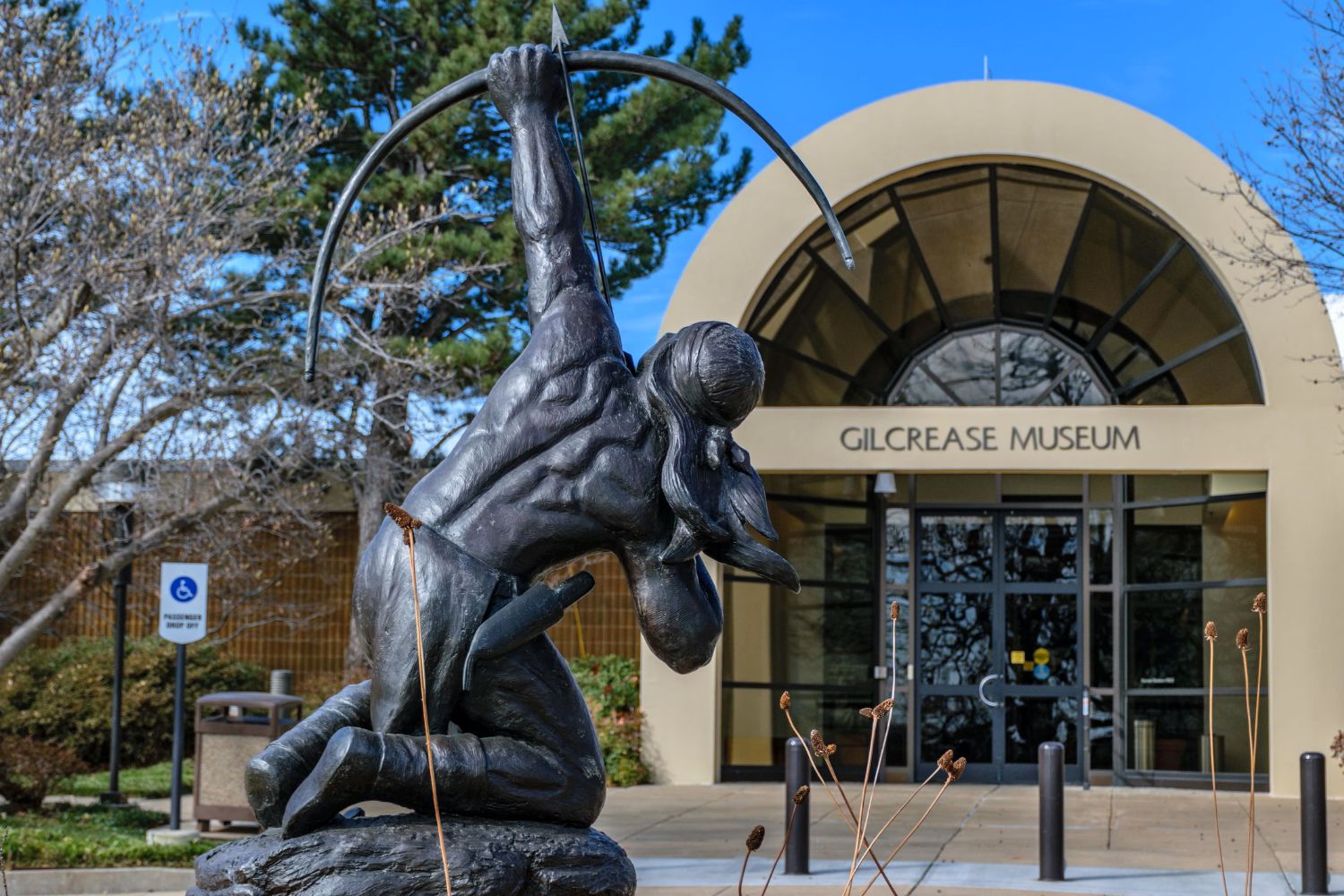
Imagine stepping back to the days when the best-documented lost trading posts of Oklahoma's Indian Territory—Warren's Post, Coffee's Post, Edwards's Post, and the posts of the Chouteau and Fur Traders network—served as vital hubs of commerce and cultural exchange. These posts, rather than military forts, were the true centers where traders, Native Americans, and settlers converged, leaving behind remnants of a vibrant past that still whisper through the landscape.
The Historical Significance of Oklahoma's Trading Posts
Oklahoma's Indian Territory was once a bustling hub of commerce and culture. Trading posts played a crucial role in the lives of Native American tribes and settlers. These posts were more than just places to exchange goods; they were centers of social interaction and cultural exchange. Let's take a look at some of the lost trading posts that shaped Oklahoma's history.
1. Fort Gibson Trading Post
Fort Gibson was established in 1824 and became a significant military post in the region. Located near the confluence of the Arkansas, Verdigris, and Grand Rivers, it served as a gateway for traders, trappers, and settlers. The post facilitated trade between Native American tribes and European settlers, offering goods like furs, tools, and textiles. Fort Gibson also played a significant role in the Trail of Tears, providing supplies and support to displaced tribes.
2. Chouteau's Trading Post
Founded by Jean Pierre Chouteau, this post was one of the earliest in the region. Situated near present-day Salina, it became a key trading point. Chouteau's Trading Post was known for its bustling activity, with traders exchanging goods such as pelts, beads, and firearms. The post's strategic location at Three Forks made it a popular stop for travelers and traders alike.
3. Fort Towson Trading Post
Established in 1824, Fort Towson was initially a military outpost. However, it quickly evolved into a thriving trading center. Located near the Red River, it served as a crucial link between the United States and Mexico. The post facilitated trade in goods like cattle, cotton, and tobacco. Fort Towson also played a role in the Texas Revolution, providing supplies and support to Texan forces.
4. Fort Washita Trading Post
Fort Washita, founded in 1842, was a military post in the Indian Territory. Positioned near the Texas border, it served as a hub for trade between Native American tribes and settlers. The post offered a variety of goods, including food, clothing, and tools. Fort Washita also played a role in the Civil War, serving as a Confederate supply depot. Those interested in the area's broader history can explore Washita Valley history and ruins in Oklahoma.
5. Fort Sill Trading Post
Established in 1869, Fort Sill was initially a military installation. However, it quickly became a center for trade and commerce. Located near the Wichita Mountains, the post facilitated trade between Native American tribes and settlers. Fort Sill offered goods such as livestock, grain, and textiles. The post also played a role in the Indian Wars, serving as a base for military operations.
6. Boggy Depot Trading Post
Boggy Depot, founded in the 1830s, was a settlement in the Indian Territory. Situated near the Blue River, it served as a key stop on the Butterfield Overland Mail route. The settlement offered a variety of goods, including food, clothing, and tools.
7. Fort Arbuckle Trading Post
Established in 1851, Fort Arbuckle was a military outpost that quickly became a center for trade. Located near the Washita River, it facilitated trade between Native American tribes and settlers. The post offered goods such as livestock, grain, and textiles.
Reflecting on Oklahoma's Trading Posts
Oklahoma's trading posts offer a glimpse into a time when these hubs were vital for commerce and cultural exchange. They served as meeting points for diverse communities, including Native American tribes and European settlers. Each post had its own story, shaped by the people who traded goods and shared traditions. Today, many of these sites are lost to history, but their impact remains. They played a crucial role in shaping the region's economy and cultural landscape. Visiting these locations or learning about them can provide a deeper understanding of Oklahoma's rich history. While some trading posts have vanished, their legacy continues to influence the state's identity. Exploring these stories helps us appreciate the complex tapestry of interactions that defined the Indian Territory. Oklahoma's trading posts remind us of the connections that once thrived in this unique part of the world.
