

Secrets Of North Dakota’s Prairie Seed Banks
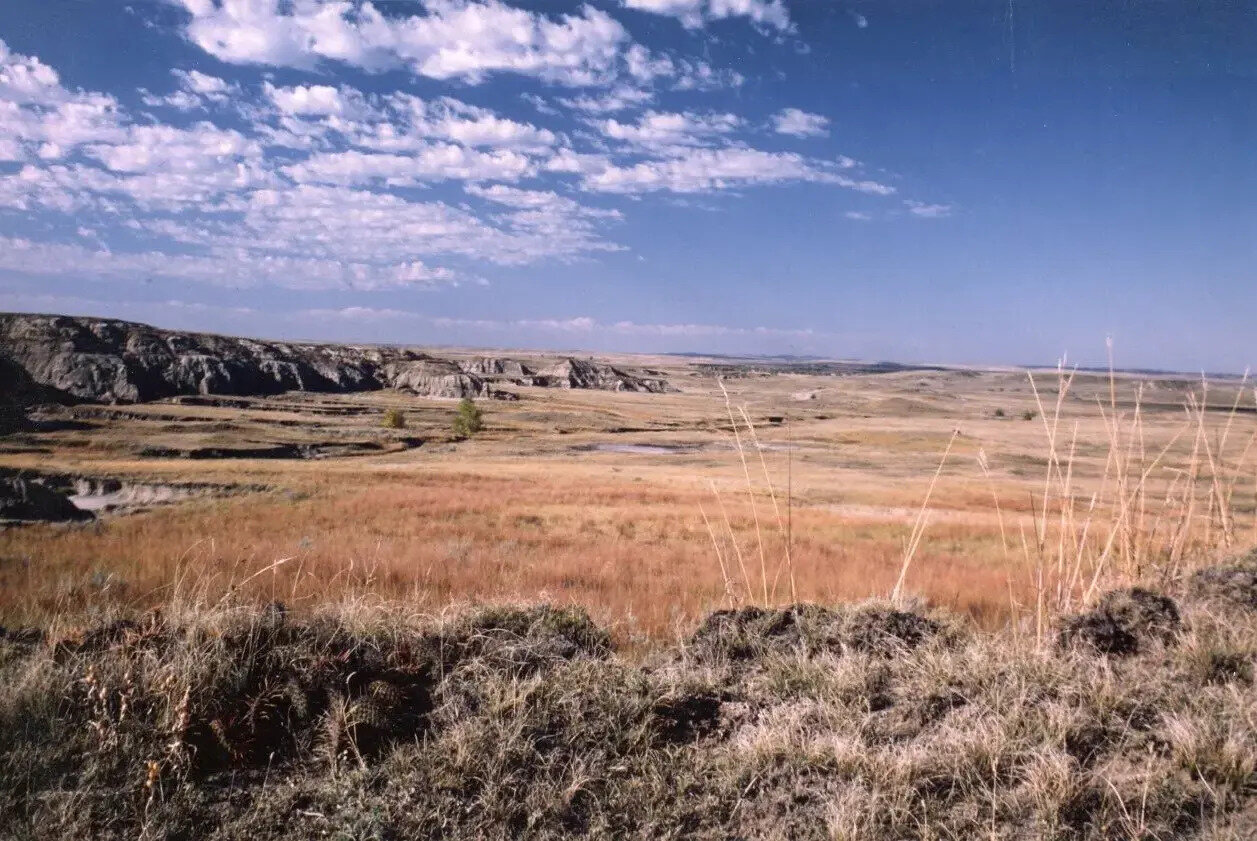
Have you ever wondered how North Dakota's vast prairies stay so lush and green? The secret lies in prairie seed banks. These natural storage systems hold a treasure of seeds from various native plants. When conditions are right, these seeds sprout, ensuring the prairie remains vibrant and diverse. This process helps maintain the ecosystem, supporting wildlife and preventing soil erosion. Understanding how these seed banks work can give us insights into preserving other natural landscapes. Let's dive into the fascinating world of North Dakota's prairie seed banks and see how they contribute to the environment's health.
Discovering North Dakota's Prairie Seed Banks
North Dakota's prairies hold a treasure trove of biodiversity. These seed banks preserve the genetic diversity of native plants, ensuring the survival of species that thrive in the region's unique climate. Let's explore some of the most fascinating prairie seed banks in North Dakota.
1. Sheyenne National Grassland
Sheyenne National Grassland is a sprawling expanse of mixed-grass prairie. This area is home to a diverse array of plant species, many of which are preserved in its seed banks.
- Location: Southeastern North Dakota
- Highlights: Rare plant species, hiking trails, bird watching
- Best Time to Visit: Late spring to early summer
2. Cross Ranch Nature Preserve
Cross Ranch Nature Preserve offers a glimpse into the natural beauty of North Dakota's prairies. The seed banks here play a crucial role in conserving native plant species.
- Location: Central North Dakota, near the Missouri River
- Highlights: Scenic views, camping, guided tours
- Best Time to Visit: Summer
3. Audubon National Wildlife Refuge
Audubon National Wildlife Refuge is a haven for wildlife and plant species alike. The seed banks here help maintain the ecological balance of the prairie ecosystem.
- Location: North-central North Dakota
- Highlights: Wildlife observation, photography, educational programs
- Best Time to Visit: Spring and fall
4. Theodore Roosevelt National Park
Theodore Roosevelt National Park is not only known for its stunning landscapes but also for its efforts in preserving native prairie plants. The seed banks here are vital for maintaining the park's natural beauty.
- Location: Western North Dakota
- Highlights: Scenic drives, hiking, wildlife viewing
- Best Time to Visit: Late spring to early fall
5. Chase Lake National Wildlife Refuge
Chase Lake National Wildlife Refuge is a sanctuary for both birds and plants. The seed banks here ensure the survival of native prairie species, contributing to the refuge's rich biodiversity.
- Location: Central North Dakota
- Highlights: Bird watching, nature trails, photography
- Best Time to Visit: Spring and summer
6. J. Clark Salyer National Wildlife Refuge
J. Clark Salyer National Wildlife Refuge is one of the largest refuges in North Dakota. The seed banks here play a crucial role in preserving the genetic diversity of prairie plants.
- Location: North-central North Dakota
- Highlights: Canoeing, hiking, wildlife observation
- Best Time to Visit: Summer
7. Lostwood National Wildlife Refuge
Lostwood National Wildlife Refuge is a hidden gem in North Dakota's prairie landscape. The seed banks here help protect the unique plant species that call this refuge home.
- Location: Northwestern North Dakota
- Highlights: Bird watching, hiking, scenic views
- Best Time to Visit: Late spring to early summer
8. Tewaukon National Wildlife Refuge
Tewaukon National Wildlife Refuge offers a diverse array of habitats, from wetlands to prairies. The seed banks here are essential for maintaining the refuge's ecological integrity.
- Location: Southeastern North Dakota
- Highlights: Wildlife observation, fishing, nature trails
- Best Time to Visit: Spring and fall
9. Long Lake National Wildlife Refuge
Long Lake National Wildlife Refuge is a vital habitat for migratory birds and native plants. The seed banks here help ensure the survival of prairie species in this unique ecosystem.
- Location: South-central North Dakota
- Highlights: Bird watching, photography, hiking
- Best Time to Visit: Spring and summer
10. Sullys Hill National Game Preserve
Sullys Hill National Game Preserve is a beautiful area that supports a variety of wildlife and plant species. The seed banks here are crucial for preserving the native prairie flora.
- Location: Northeastern North Dakota
- Highlights: Scenic drives, hiking, wildlife viewing
- Best Time to Visit: Summer
The Importance of Prairie Seed Banks
Prairie seed banks in North Dakota play a crucial role in preserving biodiversity. These banks store seeds from native plants, ensuring they can be replanted if natural habitats are lost. This helps maintain the ecosystem's balance and supports wildlife that depends on these plants for food and shelter.
Farmers and conservationists benefit from these seed banks. They provide a resource for restoring damaged lands and improving soil health. By using native seeds, they can create more resilient landscapes that withstand extreme weather and pests.
Visiting a prairie seed bank offers a unique opportunity to learn about local flora. It's a chance to see how dedicated efforts are made to protect the environment. Supporting these initiatives helps ensure that North Dakota's prairies remain vibrant and diverse for future generations.
