

Secrets Of North Dakota’s Fort Rice Trading Posts
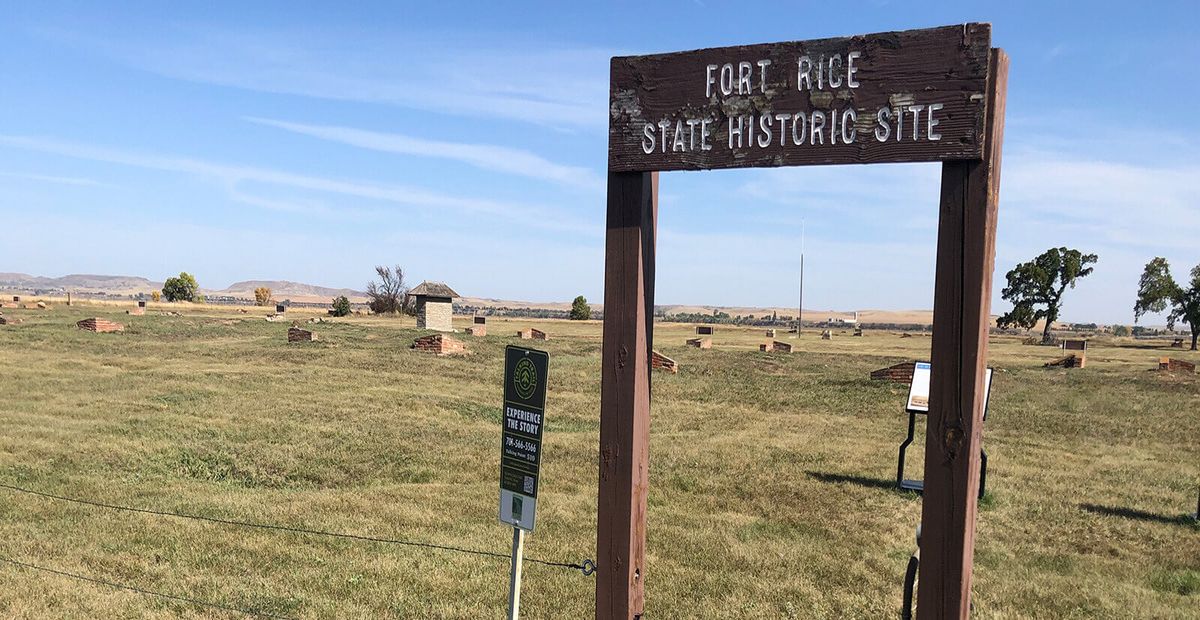
Have you ever wondered about the hidden gems of North Dakota? Fort Rice Trading Posts might just be the adventure you're looking for. Nestled along the Missouri River, these historic sites offer a glimpse into the past. Imagine walking where traders and Native Americans once exchanged goods and stories. The rich history and scenic views make it a perfect spot for history buffs and nature lovers alike. Whether you're planning a family trip or a solo exploration, Fort Rice Trading Posts promise a unique experience. Ready to step back in time and uncover the secrets of this fascinating place? Let's dive in!
Secrets of North Dakota's Fort Rice Trading Posts
North Dakota's Fort Rice holds a treasure trove of history. This place, once a bustling hub for traders, explorers, and Native Americans, now offers a glimpse into the past. Let's uncover the secrets of some of the most fascinating trading posts in this historic area.
1. Fort Rice Trading Post
Fort Rice itself was established in 1864. It served as a military post to protect settlers and traders. The trading post here became a crucial spot for exchanging goods with Native American tribes. Imagine the bustling activity, the exchange of stories, and the mingling of cultures.
2. Fort Abraham Lincoln Trading Post
Just a short distance from Fort Rice, Fort Abraham Lincoln played a significant role. This post was not only a military fort but also a trading hub. Traders here dealt in furs, tools, and other essentials. The fort's strategic location made it a key player in the region's commerce.
3. Fort Yates Trading Post
Fort Yates, located on the Standing Rock Indian Reservation, was another vital trading post. Established in 1874, it facilitated trade between the military, settlers, and Native Americans. The post became a melting pot of cultures, with goods like buffalo hides and beads exchanged regularly.
4. Fort Berthold Trading Post
Fort Berthold, situated along the Missouri River, was a prominent trading post for the Mandan, Hidatsa, and Arikara tribes. Established in the early 19th century, this post saw a vibrant exchange of goods such as corn, pottery, and furs. The interactions here were crucial for the survival and prosperity of these tribes.
5. Fort Union Trading Post
Fort Union, located near the confluence of the Missouri and Yellowstone Rivers, was one of the most significant trading posts in the region. Established in 1828, it became a major center for the fur trade. Traders from various backgrounds gathered here, making it a bustling marketplace. The fort's reconstructed buildings now offer a glimpse into its storied past.
6. Fort Buford Trading Post
Fort Buford, near the confluence of the Missouri and Yellowstone Rivers, was established in 1866. This post played a crucial role in the Indian Wars and served as a trading hub. Goods like food, clothing, and tools were exchanged here, making it a vital supply point for both military and civilian populations.
7. Fort Totten Trading Post
Fort Totten, located near Devils Lake, was established in 1867. This post served as a military fort and a trading post. The interactions between traders and Native Americans here were essential for the exchange of goods and cultural understanding. The fort's buildings now serve as a museum, preserving its rich history.
8. Fort Stevenson Trading Post
Fort Stevenson, established in 1867, was located near present-day Garrison. This post served as a supply depot and trading hub. Traders here exchanged goods like food, clothing, and tools with Native Americans and settlers. The fort's strategic location made it a key player in the region's commerce.
9. Fort Ransom Trading Post
Fort Ransom, established in 1867, was located near the Sheyenne River. This post served as a military fort and a trading hub. The interactions between traders and Native Americans here were crucial for the exchange of goods and cultural understanding. The fort's buildings now serve as a museum, preserving its rich history.
10. Fort Abercrombie Trading Post
Fort Abercrombie, established in 1857, was located near the Red River. This post served as a military fort and a trading hub. The interactions between traders and Native Americans here were essential for the exchange of goods and cultural understanding. The fort's buildings now serve as a museum, preserving its rich history.
Discovering Fort Rice's Hidden Gems
Fort Rice's trading posts offer a unique glimpse into North Dakota's rich history. These sites reveal stories of early settlers, Native American tribes, and the fur trade that shaped the region. Exploring these historic locations provides a deeper understanding of the cultural exchanges and economic activities that took place.
Visiting Fort Rice is not just about learning history; it's about experiencing it. Walking through these trading posts, you can almost hear the bustling markets and feel the vibrant energy of a bygone era. The artifacts and structures preserved here tell tales of resilience, cooperation, and survival.
Whether you're a history buff or just curious, Fort Rice's trading posts are a must-see. They offer an educational and immersive experience that brings the past to life. Plan your visit and step back in time to uncover the secrets of North Dakota's Fort Rice.
