

Secrets Of North Dakota’s Fort Pembina Trading Posts
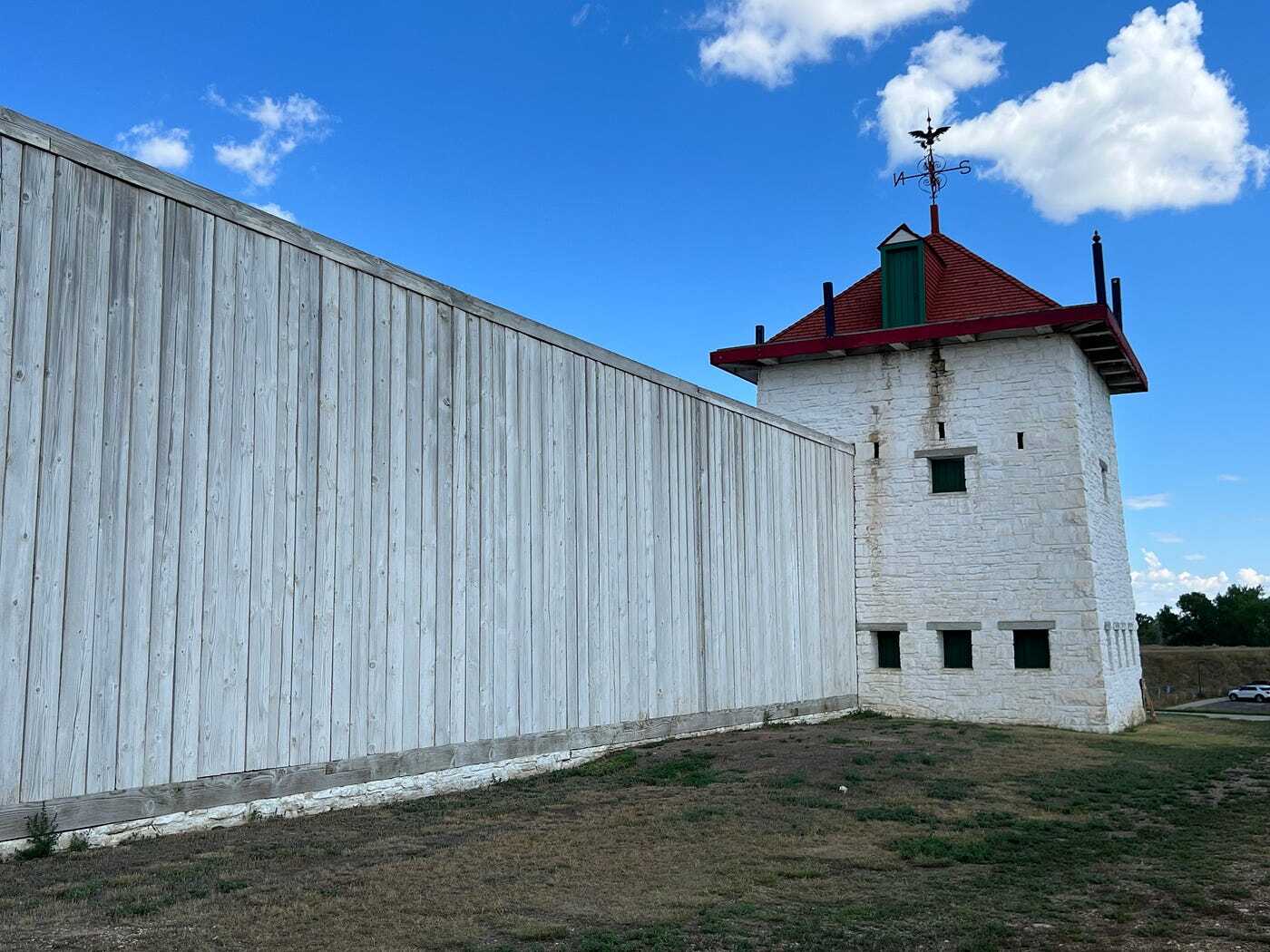
Have you ever wondered about the hidden gems of North Dakota? Fort Pembina Trading Posts offer a glimpse into the past, showcasing the rich history of early American frontier life. Located near the Canadian border, these trading posts were bustling hubs of commerce and culture. Trappers, traders, and Native Americans would gather here, exchanging goods and stories. Today, visitors can explore the remnants of these historic sites, imagining what life was like centuries ago. Whether you're a history buff or just looking for a unique adventure, Fort Pembina Trading Posts provide an unforgettable experience. Ready to step back in time? Let's dive into the fascinating world of Fort Pembina.
Secrets of North Dakota's Fort Pembina Trading Posts
North Dakota, often overlooked, holds a treasure trove of history. Fort Pembina, a key player in the fur trade era, offers a glimpse into the past. Let's uncover the secrets of these trading posts.
The Birth of Fort Pembina
Fort Pembina, established in 1801, became a bustling hub for fur traders. Its strategic location near the Red River made it a prime spot for commerce. Here are some notable places tied to its history.
Pembina State Museum
This museum showcases artifacts from the fur trade era. Visitors can see tools, clothing, and maps used by traders. The observation tower offers a panoramic view of the Red River Valley.Fort Daer
Built by the Hudson's Bay Company, Fort Daer served as a rival trading post. It played a significant role in the competition between British and American traders. Today, only remnants remain, but the site is rich in history.
Key Figures of Fort Pembina
Several key figures left their mark on Fort Pembina. These individuals shaped the trading post's legacy and influenced the region's development.
Alexander Henry the Younger
A prominent fur trader, Henry documented his experiences in detailed journals. His writings provide valuable insights into the daily life and challenges faced by traders.Pierre Bottineau
Known as the "Kit Carson of the Northwest," Bottineau was a skilled guide and interpreter. He played a crucial role in negotiations between traders and Native American tribes.
The Role of Native American Tribes
Native American tribes were integral to the success of Fort Pembina. They traded furs, provided knowledge of the land, and formed alliances with traders.
Ojibwe Tribe
The Ojibwe were key trading partners at Fort Pembina. They exchanged furs for goods like blankets, tools, and food. Their knowledge of the land was invaluable to traders.Dakota Tribe
The Dakota also played a significant role in the fur trade. They provided furs and acted as intermediaries between traders and other tribes. Their influence extended throughout the region.
Fort Pembina's Decline and Legacy
As the fur trade waned, Fort Pembina's importance diminished. However, its legacy lives on through historical sites and stories passed down through generations.
Pembina Old Crossing Treaty Site
This site marks the location where the 1863 treaty was signed, ceding land from the Ojibwe to the U.S. government. It symbolizes the changing dynamics between Native Americans and settlers.Kittson County Historical Museum
Located nearby, this museum offers exhibits on the fur trade, early settlers, and the impact of Fort Pembina. It provides a broader context for understanding the region's history.
Visiting Fort Pembina Today
Today, visitors can explore the remnants of Fort Pembina and its surroundings. These sites offer a window into the past and a chance to connect with history.
Pembina River Bridge
This bridge offers stunning views of the Pembina River. It's a great spot for reflection and imagining the bustling activity that once took place along its banks.Fort Pembina Historic Site
Though little remains of the original fort, the site is marked with plaques and interpretive signs. It provides a sense of the fort's layout and significance.
Fort Pembina's trading posts hold many secrets waiting to be uncovered. Each site tells a story of adventure, commerce, and cultural exchange.
Discovering Fort Pembina's Legacy
Fort Pembina's trading posts offer a unique glimpse into North Dakota's rich history. These sites were more than just trading hubs; they were cultural melting pots where diverse groups interacted and exchanged goods. Visiting Fort Pembina allows you to step back in time and experience the daily lives of traders, Native Americans, and settlers. The artifacts and reconstructed buildings provide a tangible connection to the past, making history come alive. Whether you're a history buff or just looking for an educational outing, Fort Pembina is a must-see. The stories and lessons from this historic site continue to resonate, reminding us of the complex and fascinating history that shaped the region. Don't miss the chance to explore this hidden gem and uncover the secrets of North Dakota's past.
