

Secrets Of North Dakota’s Chase Lake Nesting Islands
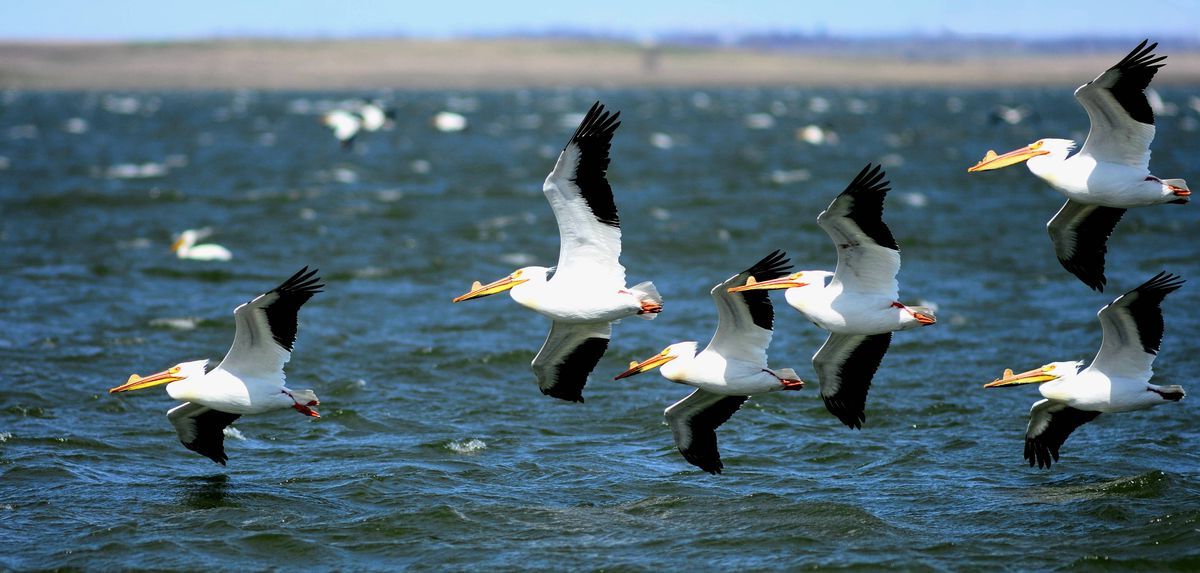
Have you ever wondered what makes Chase Lake Nesting Islands in North Dakota so special? This hidden gem is a paradise for bird lovers and nature enthusiasts alike. Home to one of the largest colonies of American white pelicans in North America, the islands offer a unique opportunity to witness these majestic birds in their natural habitat. But it's not just pelicans that call this place home; you’ll also find a variety of other bird species, making it a birdwatcher's dream. Whether you're an avid birder or just looking for a peaceful escape, Chase Lake Nesting Islands provide a serene and captivating experience.
Discovering Chase Lake Nesting Islands
North Dakota's Chase Lake is a hidden gem for bird enthusiasts and nature lovers. This wildlife refuge, established in 1908, is home to some of the most spectacular bird nesting islands in the United States. Let's take a closer look at what makes these islands so special.
1. Pelican Island
Pelican Island is the crown jewel of Chase Lake. It's the largest nesting site for American white pelicans in North America. During nesting season, thousands of pelicans flock here, creating a breathtaking spectacle.
- Best Time to Visit: Late spring to early summer
- What to Bring: Binoculars, camera, and a bird guidebook
2. Cormorant Island
Cormorant Island is another must-see. Double-crested cormorants dominate this island, with their sleek black feathers and striking blue eyes. Watching them dive for fish is a sight to behold.
- Best Time to Visit: Early summer
- What to Bring: Sunscreen, hat, and water bottle
3. Egret Island
Egret Island is home to snowy egrets and great egrets. Their elegant white plumage and graceful movements make this island a photographer's dream. The island's lush vegetation provides a perfect backdrop for these stunning birds.
- Best Time to Visit: Mid-summer
- What to Bring: Camera with a zoom lens, insect repellent, and comfortable shoes
4. Heron Island
Heron Island hosts a variety of heron species, including great blue herons and black-crowned night herons. These majestic birds are known for their long legs and necks, making them easy to spot among the reeds.
- Best Time to Visit: Late summer
- What to Bring: Field guide, notebook, and snacks
5. Gull Island
Gull Island is teeming with ring-billed gulls and herring gulls. Their loud calls and social behavior make this island lively and entertaining. It's a great spot for observing bird interactions and behaviors.
- Best Time to Visit: Early fall
- What to Bring: Earplugs (for the noise), binoculars, and a picnic blanket
6. Tern Island
Tern Island is a sanctuary for common terns and black terns. These agile birds are known for their acrobatic flight patterns and sharp calls. Watching them dive for fish is a thrilling experience.
- Best Time to Visit: Late spring
- What to Bring: Lightweight jacket, hat, and a field guide
7. Ibis Island
Ibis Island is the nesting ground for white-faced ibis. Their iridescent plumage and curved bills make them stand out among the other birds. This island offers a unique opportunity to see these striking birds up close.
- Best Time to Visit: Mid-spring
- What to Bring: Camera, water bottle, and a bird identification app
8. Grebe Island
Grebe Island is home to several species of grebes, including the western grebe and the pied-billed grebe. These water birds are known for their elaborate courtship dances and distinctive calls.
- Best Time to Visit: Early summer
- What to Bring: Binoculars, camera, and a comfortable chair
9. Avocet Island
Avocet Island is a haven for American avocets. Their striking black and white plumage and long, upturned bills make them easy to identify. Watching them wade through shallow waters is a peaceful experience.
- Best Time to Visit: Late spring
- What to Bring: Sunhat, sunscreen, and a birdwatching journal
10. Sandpiper Island
Sandpiper Island is bustling with various sandpiper species, including the spotted sandpiper and the least sandpiper. These small, energetic birds are a joy to watch as they forage along the shoreline.
- Best Time to Visit: Early fall
- What to Bring: Comfortable walking shoes, binoculars, and a camera
11. Bittern Island
Bittern Island is the perfect spot to see the elusive American bittern. Known for their camouflage and distinctive "pump-er-lunk" call, these birds are a challenge to spot but rewarding to find.
- Best Time to Visit: Mid-summer
- What to Bring: Patience, a good camera, and a bird guidebook
12. Marsh Wren Island
Marsh Wren Island is alive with the sounds of marsh wrens. These small, vocal birds are known for their complex songs and intricate nests. It's a great place to listen to the symphony of nature.
- Best Time to Visit: Late spring
- What to Bring: Audio recorder, binoculars, and a field guide
The Magic of Chase Lake Nesting Islands
Chase Lake Nesting Islands in North Dakota offer a unique experience for bird lovers and nature enthusiasts. Home to one of the largest colonies of American white pelicans, these islands provide a rare opportunity to witness these majestic birds in their natural habitat. The serene environment, combined with the rich biodiversity, makes it a must-visit destination.
Whether you're an avid birder or just someone who appreciates the beauty of nature, Chase Lake won't disappoint. The islands' remote location ensures a peaceful visit, away from the hustle and bustle of city life. Remember to bring your binoculars and camera to capture the stunning sights.
Visiting Chase Lake Nesting Islands is more than just a trip; it's an adventure into the heart of nature. Plan your visit and experience the magic for yourself.
