Hidden Homestead Root Cellars Of North Dakota’s Slope County
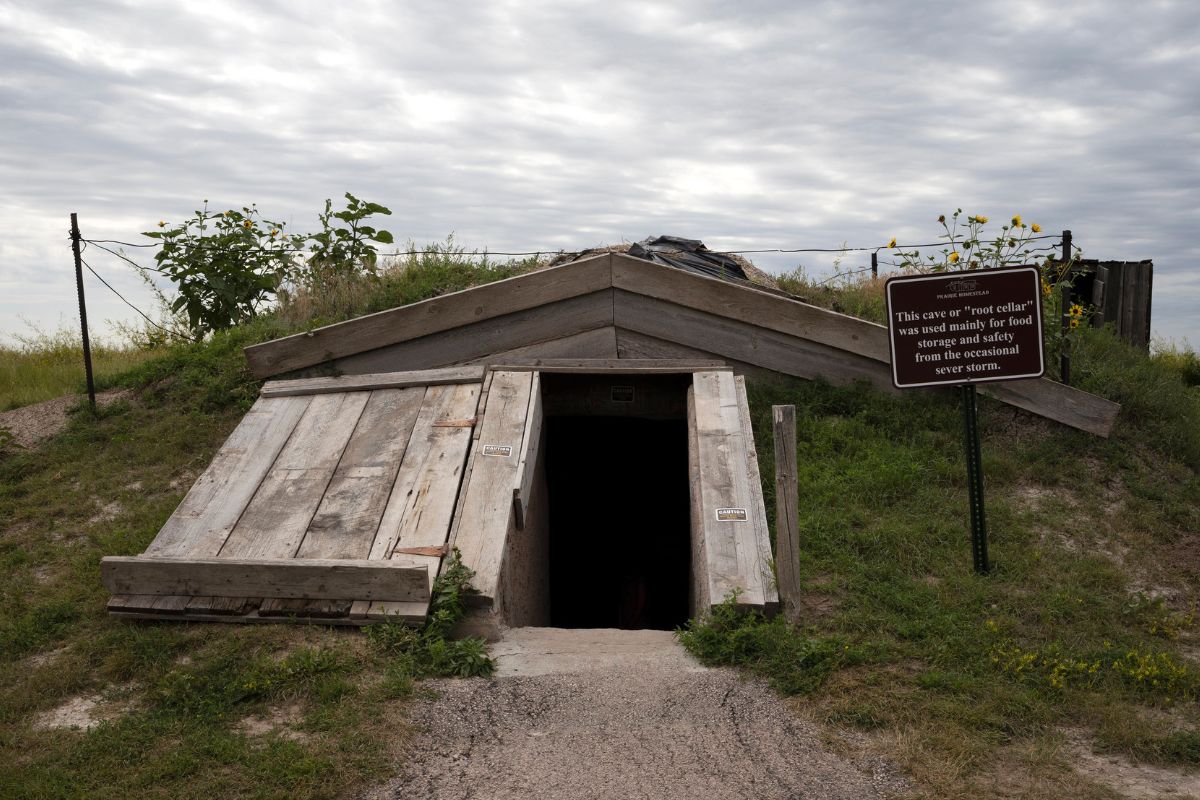
Have you ever wondered about the hidden treasures beneath the ground in North Dakota's Slope County? Homestead root cellars are one of those fascinating secrets. These underground storage spaces were essential for early settlers, helping them preserve food through harsh winters. Imagine walking through the rolling hills and stumbling upon an entrance to a root cellar, a relic of a bygone era. These cellars, often built into hillsides, kept vegetables, fruits, and other perishables cool and fresh. They are a testament to the ingenuity and resilience of the pioneers who called this rugged landscape home. Let's delve into the history and charm of these unique structures.
The Forgotten Treasures of Slope County
Slope County, North Dakota, holds a secret beneath its rolling prairies and rugged landscapes. Hidden away from the casual observer are the homestead root cellars—a testament to the ingenuity and resilience of early settlers. These underground storage spaces were essential for preserving food through harsh winters. Let's uncover some of these fascinating sites.
1. The Enchanted Cellar of Amidon
Amidon, the smallest county seat in the United States, hides a gem beneath its soil. This root cellar, built in the early 1900s, showcases the craftsmanship of settlers who used local stone and timber.
- Location: Near the old Amidon schoolhouse
- Features: Stone walls, wooden beams, and a cool, damp environment perfect for storing vegetables and fruits
- Historical Significance: Used by multiple generations, this cellar tells the story of survival and community in a harsh climate
2. The Hidden Vault of Marmarth
Marmarth, a town known for its rich history and dinosaur fossils, also shelters a remarkable root cellar. This underground vault served as a lifeline for families during the Great Depression.
- Location: Behind the Marmarth Historical Society building
- Features: Thick earthen walls, a sturdy wooden door, and remnants of old shelving units
- Historical Significance: Provided essential storage for food supplies during tough economic times
3. The Prairie Sanctuary of Rhame
Rhame, a small town with a big heart, boasts a root cellar that has stood the test of time. This cellar, dug into a hillside, remains a symbol of the settlers' determination.
- Location: On the outskirts of Rhame, near an old homestead
- Features: Earth-covered roof, stone steps leading down, and a naturally cool interior
- Historical Significance: Served as a communal storage space for several families, fostering a sense of unity and cooperation
4. The Rustic Refuge of Bowman
Bowman, a town with a rich agricultural heritage, is home to a root cellar that reflects the resourcefulness of its early inhabitants. This cellar, constructed with locally sourced materials, remains a hidden gem.
- Location: Near the Bowman Pioneer Museum
- Features: Stone and timber construction, ventilation shafts, and a well-preserved interior
- Historical Significance: Played a crucial role in preserving food during the long, cold winters, ensuring the survival of many families
5. The Subterranean Haven of Scranton
Scranton, a town named after Scranton, Pennsylvania, hides a root cellar that is a marvel of early engineering. This underground haven provided a stable environment for food storage, crucial for the settlers' survival.
- Location: Adjacent to the old Scranton school building
- Features: Thick stone walls, a wooden door, and a cool, damp atmosphere ideal for preserving perishables
- Historical Significance: Used extensively during the early 20th century, this cellar is a testament to the settlers' ingenuity and hard work
6. The Buried Treasure of Gascoyne
Gascoyne, a small town with a rich history, shelters a root cellar that has witnessed many seasons. This buried treasure, constructed with care and precision, remains a symbol of the settlers' resilience.
- Location: Near the Gascoyne Community Center
- Features: Stone and earth construction, ventilation shafts, and a naturally cool interior
- Historical Significance: Provided essential storage for food supplies, ensuring the survival of the community during harsh winters
7. The Earthy Hideaway of Haley
Haley, a quiet town with a deep connection to its past, boasts a root cellar that has stood the test of time. This earthy hideaway, dug into a hillside, remains a testament to the settlers' resourcefulness.
- Location: On the outskirts of Haley, near an old farmstead
- Features: Earth-covered roof, stone steps leading down, and a naturally cool interior
- Historical Significance: Served as a communal storage space, fostering a sense of unity and cooperation among the settlers
8. The Stone Sanctuary of Bucyrus
Bucyrus, a town with a rich agricultural heritage, is home to a root cellar that reflects the ingenuity of its early inhabitants. This stone sanctuary, constructed with locally sourced materials, remains a hidden gem.
- Location: Near the Bucyrus Historical Society building
- Features: Stone and timber construction, ventilation shafts, and a well-preserved interior
- Historical Significance: Played a crucial role in preserving food during the long, cold winters, ensuring the survival of many families
The Legacy of North Dakota's Root Cellars
North Dakota's Slope County root cellars offer a glimpse into a simpler time. These underground storage spaces were essential for preserving food through harsh winters. They showcase the ingenuity and resilience of early settlers. Exploring these cellars, you can feel the connection to the past and appreciate the hard work that went into building them.
Visiting these hidden gems is like stepping back in time. You can see how people lived, stored their food, and survived in a challenging environment. These root cellars are more than just storage spaces; they are a testament to human creativity and determination.
Next time you find yourself in Slope County, take a moment to explore these fascinating structures. They are a unique part of North Dakota's history, waiting to be discovered and appreciated.