

Secrets Of North Carolina’s Reed Mine Ghost Copper Works
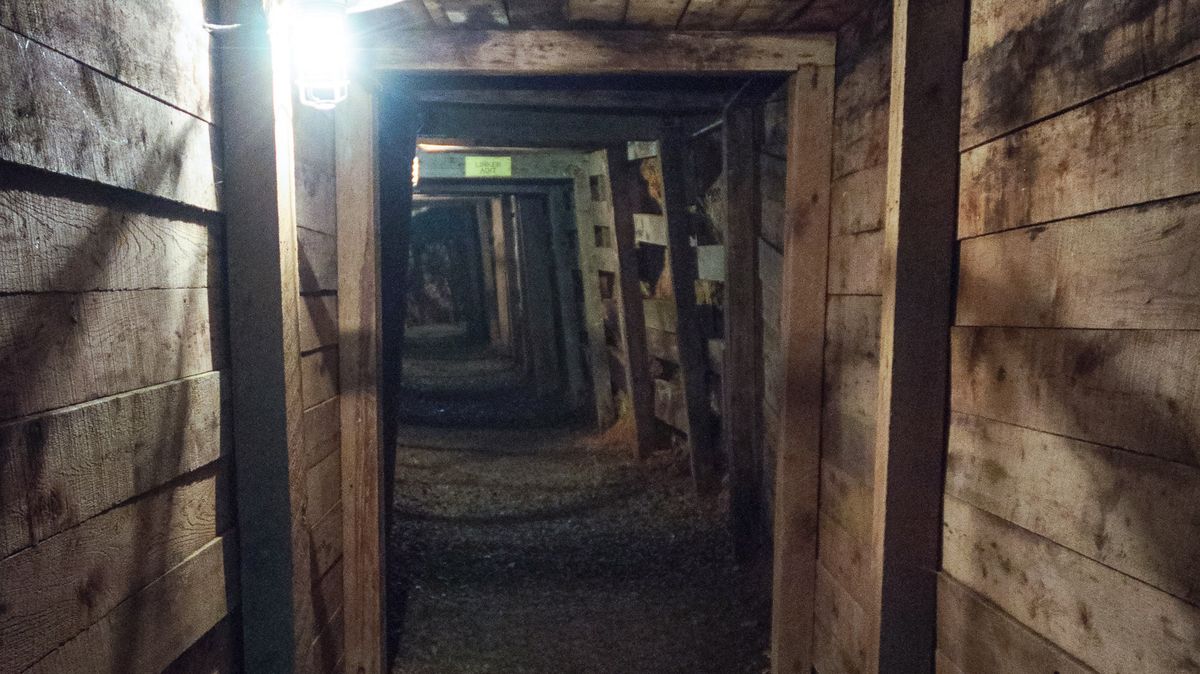
Have you ever wondered about the hidden gems in North Carolina? One such treasure is Reed Mine, known for its fascinating ghost copper works. This historic site offers a glimpse into the past, where miners once toiled for precious metals. Imagine walking through old tunnels, feeling the cool air, and seeing remnants of the mining era. It's not just a place for history buffs; families, school groups, and adventurers will find something to enjoy. Whether you're interested in geology, history, or just looking for a unique day trip, Reed Mine has something for everyone. Ready to explore? Let's dive in!
Discovering Reed Mine Ghost Copper Works
North Carolina's Reed Mine Ghost Copper Works holds a treasure trove of history and mystery. This hidden gem offers a glimpse into the past, where copper mining once thrived. Let's explore some of the most fascinating spots within this historic site.
The Historic Reed Mine Entrance
Begin your journey at the historic Reed Mine entrance. This gateway marks the start of your adventure into the world of copper mining.
- Reed Mine Entrance: The entrance itself is a relic, showcasing the architectural style of the early 19th century. It sets the tone for the historical journey ahead.
The Mining Tunnels
Venture into the mining tunnels where miners once toiled to extract valuable copper. These tunnels are a testament to the hard work and determination of those who worked here.
Main Mining Tunnel: The main tunnel stretches deep into the earth, offering a glimpse into the challenging conditions miners faced daily.
Side Tunnels: Smaller side tunnels branch off from the main one, each with its own unique story and purpose.
The Processing Area
After the copper was extracted, it needed to be processed. The processing area reveals the methods and tools used to turn raw copper into usable materials.
Smelting Furnace: The smelting furnace was a crucial part of the copper processing operation. It melted the raw copper, separating it from impurities.
Stamp Mill: The stamp mill crushed the copper ore into smaller pieces, making it easier to extract the valuable metal.
The Living Quarters
Miners and their families lived near the mine, creating a close-knit community. The living quarters offer a glimpse into their daily lives.
Miners' Cottages: These small, rustic cottages housed the miners and their families. They provide insight into the living conditions of the time.
Community Hall: The community hall served as a gathering place for social events and meetings, fostering a sense of community among the miners.
The Abandoned Machinery
Scattered throughout the site, abandoned machinery tells the story of the mine's decline. These relics are a haunting reminder of a once-thriving industry.
Rusty Excavators: Old excavators, now covered in rust, stand as silent witnesses to the passage of time.
Derelict Rail Cars: Rail cars that once transported copper ore now sit abandoned, slowly being reclaimed by nature.
The Scenic Overlook
End your visit with a trip to the scenic overlook. This spot offers breathtaking views of the surrounding landscape and a moment of reflection.
- Panoramic Viewpoint: The panoramic viewpoint provides a stunning vista of the area, allowing visitors to appreciate the natural beauty that surrounds the historic site.
Discover Reed Mine's Hidden History
Reed Mine offers a unique glimpse into North Carolina's past. The ghost copper works reveal stories of hard work, innovation, and the quest for wealth. Walking through the old tunnels and seeing the remnants of the copper mining operations, you can almost hear the echoes of miners from centuries ago. This site isn't just about history; it's about connecting with the spirit of those who shaped the region. Whether you're a history buff or just looking for an interesting day trip, Reed Mine has something special to offer. The blend of natural beauty and historical significance makes it a must-visit. So next time you're in North Carolina, take a detour to Reed Mine. You'll leave with a deeper appreciation for the state's rich heritage and the people who lived it.
