Secrets Of North Carolina’s Moonshine Hollows
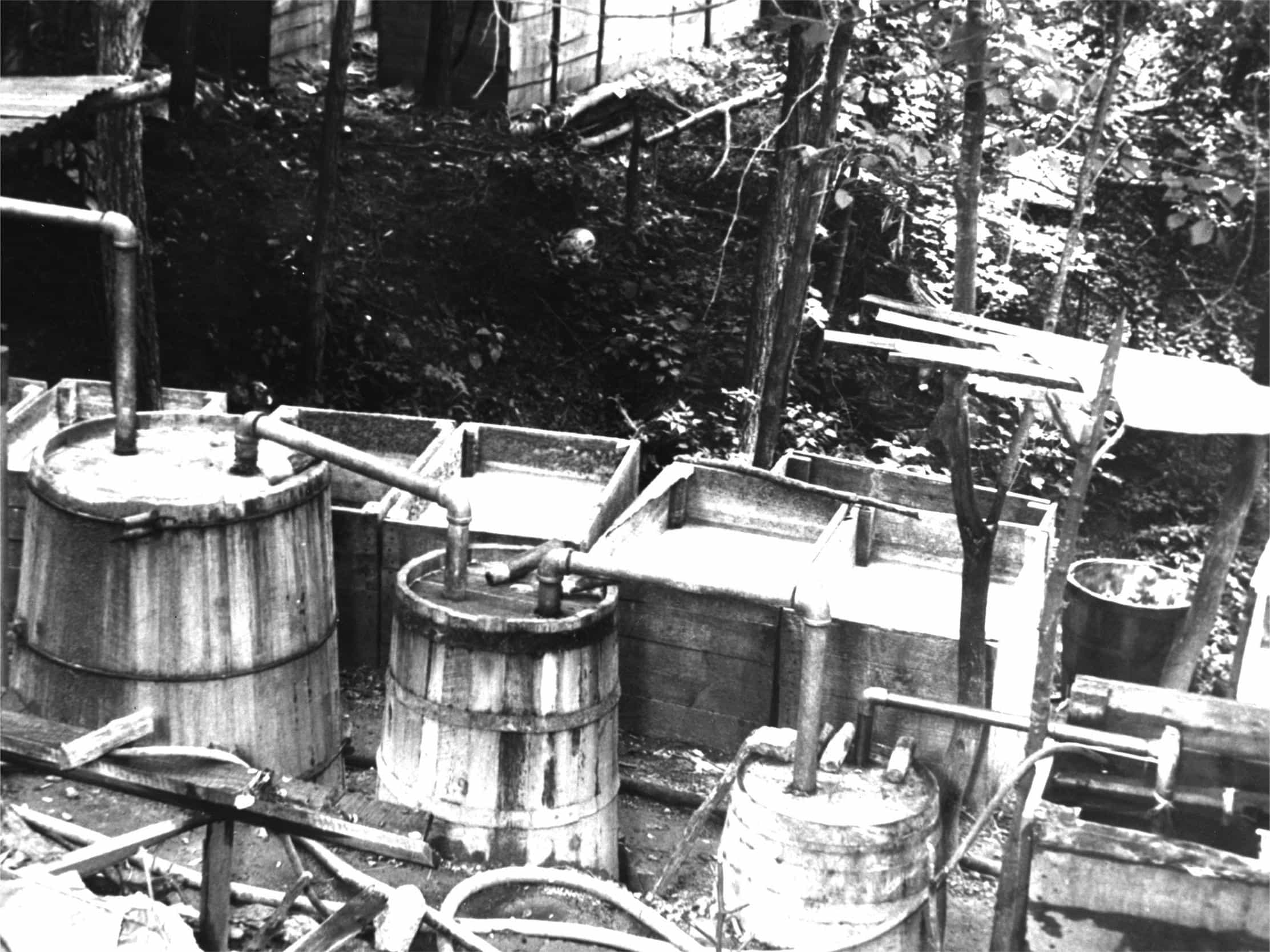
Have you ever wondered about the hidden history of moonshine in North Carolina? This state, known for its beautiful landscapes and rich culture, also has a fascinating past tied to this illicit liquor. During Prohibition, many folks in the Appalachian Mountains turned to making moonshine to support their families. These secret distilleries, often tucked away in dense forests or remote hollows, became a way of life. Today, you can still find traces of this intriguing history. From old stills rusting in the woods to modern distilleries celebrating their heritage, North Carolina's moonshine story is one worth exploring.
Discovering North Carolina's Moonshine History
North Carolina's moonshine history is rich with tales of hidden stills, daring bootleggers, and secret recipes. This journey through the state's moonshine hollows will take you to some of the most intriguing spots where this illicit craft thrived.
1. Wilkes County
Known as the "Moonshine Capital of the World," Wilkes County is a must-visit for anyone interested in moonshine lore. The rugged terrain provided perfect cover for moonshiners during Prohibition.
- Wilkes Heritage Museum: Offers exhibits on local history, including moonshine artifacts.
- Copper Barrel Distillery: A modern distillery that honors traditional moonshine methods.
2. Madison County
Madison County's mountainous landscape made it a prime location for moonshiners. The area is steeped in stories of outlaws and lawmen.
- Mars Hill University: Home to the Southern Appalachian Archives, which includes moonshine-related documents.
- Hot Springs: A historic town where you can learn about the local moonshine trade.
3. Franklin County
Franklin County's dense forests and secluded valleys were ideal for moonshine operations. The county has a storied past filled with moonshine legends.
- Franklin County Historical Society: Features exhibits on the county's moonshine history.
- Tar River: Once a major route for transporting moonshine.
4. Stokes County
Stokes County's remote areas provided the perfect hideouts for moonshiners. The county's history is filled with tales of moonshine busts and chases.
- Hanging Rock State Park: Offers hiking trails that pass by old moonshine still sites.
- Danbury: A small town with a rich moonshine past.
5. Yadkin Valley
Yadkin Valley's rolling hills and fertile land made it a hotspot for moonshine production. The area is now known for its wineries, but its moonshine history remains.
- Yadkin Valley Heritage Corridor: Features historical markers and exhibits on moonshine.
- RagApple Lassie Vineyards: A winery that also produces moonshine.
6. Ashe County
Ashe County's rugged terrain and isolated farms were perfect for moonshine operations. The county's history is filled with colorful characters and daring escapades.
- Museum of Ashe County History: Offers exhibits on the county's moonshine past.
- New River: Once used to transport moonshine.
7. Burke County
Burke County's dense forests and hidden valleys made it a prime location for moonshiners. The county's history is rich with moonshine tales.
- Old Burke County Courthouse: Features exhibits on local moonshine history.
- Linville Gorge: A rugged area that was once a moonshine hotspot.
8. Macon County
Macon County's remote areas provided the perfect cover for moonshiners. The county's history is filled with stories of moonshine busts and chases.
- Macon County Historical Museum: Offers exhibits on the county's moonshine past.
- Nantahala National Forest: Once a major area for moonshine production.
9. Swain County
Swain County's mountainous terrain made it a prime location for moonshine operations. The county's history is rich with moonshine legends.
- Great Smoky Mountains National Park: Offers hiking trails that pass by old moonshine still sites.
- Bryson City: A small town with a rich moonshine past.
10. Jackson County
Jackson County's secluded valleys and dense forests were ideal for moonshine operations. The county's history is filled with colorful characters and daring escapades.
- Jackson County Historical Society: Features exhibits on the county's moonshine history.
- Tuckasegee River: Once used to transport moonshine.
Embracing the Spirit of Moonshine Hollows
North Carolina's moonshine hollows offer a unique glimpse into a rich, hidden history. These secluded spots tell stories of resilience, innovation, and community. Exploring these areas, you can almost hear the whispers of the past, feel the determination of those who crafted their own path, and taste the legacy in every drop of moonshine.
Whether you're a history buff, an adventure seeker, or just curious, these hollows provide a fascinating journey into a world where tradition meets ingenuity. Visiting these places isn't just about seeing where moonshine was made; it's about understanding a way of life that shaped the region.
So, next time you're in North Carolina, take a detour to these hollows. You'll leave with more than just memories; you'll carry a piece of this enduring spirit with you.