

Secrets Of North Carolina’s Coastal Research Facilities
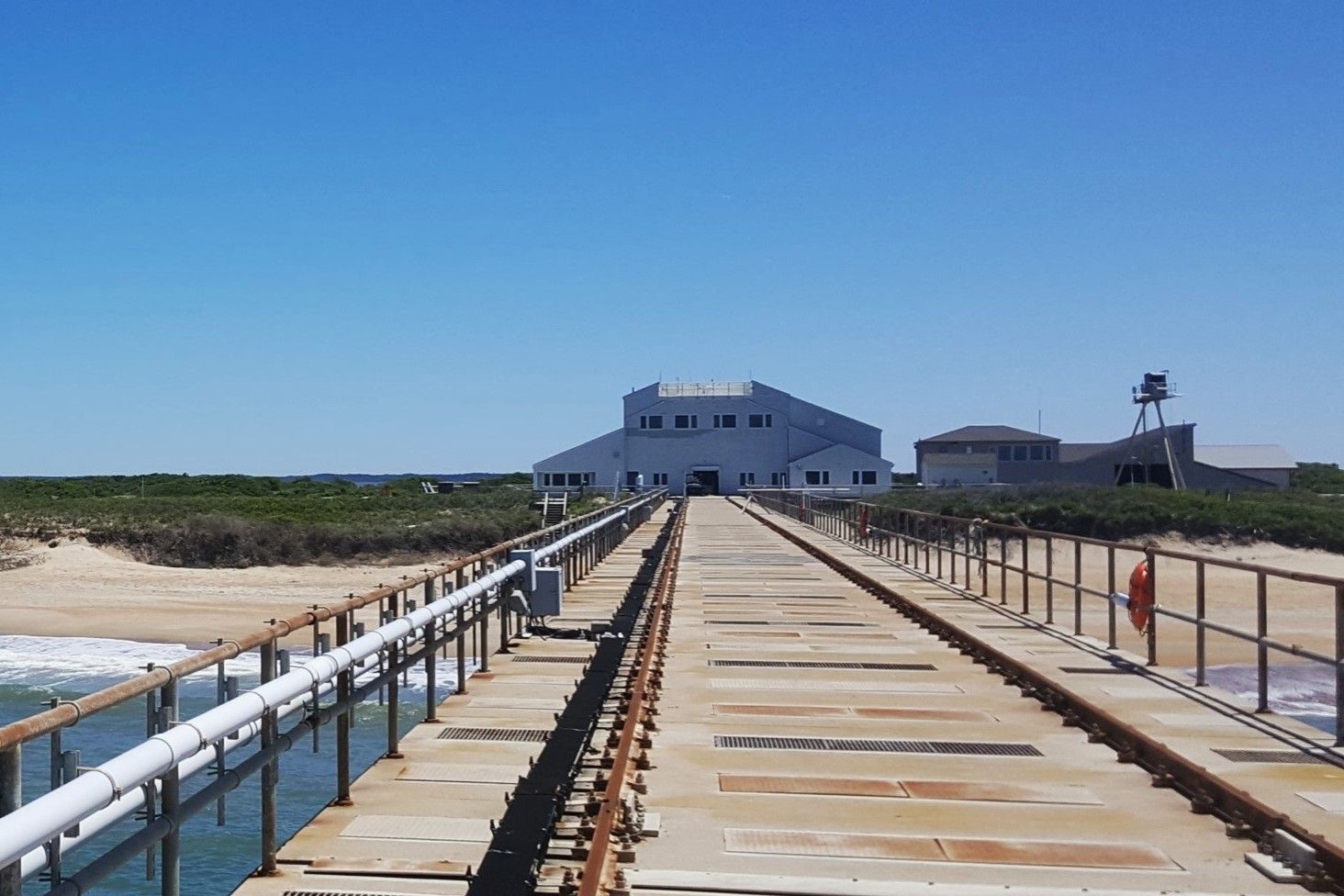
Have you ever wondered what goes on behind the scenes at North Carolina's coastal research facilities? These places are more than just labs; they are hubs of discovery and innovation. Scientists study everything from marine life to climate change, aiming to protect our oceans and coasts. Visitors can tour some of these facilities, getting a firsthand look at cutting-edge research. Imagine seeing how researchers track sea turtles or monitor water quality. Whether you're a science enthusiast or just curious, these facilities offer a unique glimpse into the natural world. Ready to learn more about North Carolina's coastal research? Let's dive in!
Discovering North Carolina's Coastal Research Facilities
North Carolina's coast is a treasure trove of scientific research and discovery. From marine biology to environmental science, these facilities offer a peek into the mysteries of the ocean and coastal ecosystems. Let's dive into some of the most fascinating research centers along the North Carolina coast.
Marine Laboratories
Marine laboratories are the backbone of coastal research. They provide scientists with the tools and environment needed to study marine life and ecosystems.
Duke University Marine Lab
- Located on Pivers Island, this lab focuses on marine conservation, oceanography, and marine biology. It offers hands-on research opportunities for students and scientists alike.
UNC Institute of Marine Sciences
- Situated in Morehead City, this institute conducts research on coastal ecosystems, fisheries, and marine pollution. It also plays a crucial role in hurricane and climate change studies.
NC State University Center for Marine Sciences and Technology (CMAST)
- Found in Morehead City, CMAST focuses on sustainable fisheries, aquaculture, and marine biotechnology. It collaborates with local communities to address coastal issues.
Coastal Reserves and Field Stations
These reserves and field stations offer unique environments for studying coastal habitats and wildlife.
Rachel Carson Reserve
- Located near Beaufort, this reserve is a haven for birdwatchers and marine biologists. It protects critical habitats like salt marshes, tidal flats, and seagrass beds.
Zeke's Island Reserve
- Found near Wilmington, this reserve is known for its diverse ecosystems, including marshes, tidal creeks, and sand dunes. It provides a natural laboratory for studying coastal processes.
UNCW Center for Marine Science
- Situated in Wilmington, this center focuses on marine biotechnology, coastal ecology, and environmental health. It offers state-of-the-art facilities for research and education.
Aquariums and Education Centers
Aquariums and education centers play a vital role in public outreach and education about marine science.
North Carolina Aquarium at Pine Knoll Shores
- Located in Pine Knoll Shores, this aquarium showcases the diverse marine life of North Carolina. It also conducts research on marine species and habitats.
North Carolina Aquarium at Fort Fisher
- Found near Kure Beach, this aquarium focuses on the Cape Fear River and the Atlantic Ocean. It offers educational programs and research opportunities.
Jennette's Pier
- Situated in Nags Head, this pier is more than just a fishing spot. It serves as a research and education center, focusing on renewable energy and marine science.
Research Vessels
Research vessels are essential for studying the open ocean and coastal waters. They allow scientists to collect data and samples from areas that are otherwise inaccessible.
R/V Cape Hatteras
- Operated by Duke University, this vessel supports a wide range of oceanographic research, from marine biology to physical oceanography.
R/V Neil Armstrong
- Managed by Woods Hole Oceanographic Institution, this vessel often collaborates with North Carolina researchers. It is equipped with advanced technology for deep-sea exploration.
Coastal Observatories
Coastal observatories provide real-time data on ocean and weather conditions, helping scientists understand and predict changes in the coastal environment.
Southeast Coastal Ocean Observing Regional Association (SECOORA)
- This network of sensors and buoys monitors oceanographic and meteorological conditions along the southeastern U.S. coast, including North Carolina.
UNC Coastal Studies Institute
- Located in Wanchese, this institute focuses on coastal processes, renewable energy, and maritime heritage. It operates a network of observatories and research platforms.
Conclusion
North Carolina's coastal research facilities are at the forefront of marine science and environmental research. They offer invaluable insights into the health and sustainability of our oceans and coasts. Whether you're a student, scientist, or curious traveler, these facilities provide a window into the wonders of the coastal world.
Discovering North Carolina's Coastal Research Facilities
North Carolina's coastal research facilities offer a unique glimpse into marine science. These centers provide valuable insights into coastal ecosystems, marine life, and environmental conservation. From the Duke University Marine Lab to the UNC Institute of Marine Sciences, each facility plays a crucial role in advancing our understanding of the ocean.
Visiting these research hubs not only educates but also inspires a deeper appreciation for marine environments. Whether you're a student, a scientist, or just curious, these facilities offer something for everyone. They highlight the importance of preserving our oceans and the ongoing efforts to protect marine biodiversity.
Plan a visit to one of these incredible research centers. You'll gain knowledge, inspiration, and a newfound respect for the ocean's wonders. North Carolina's coastal research facilities are a treasure trove of information waiting to be explored.
