Secrets Of North Carolina’s Coastal Research Centers
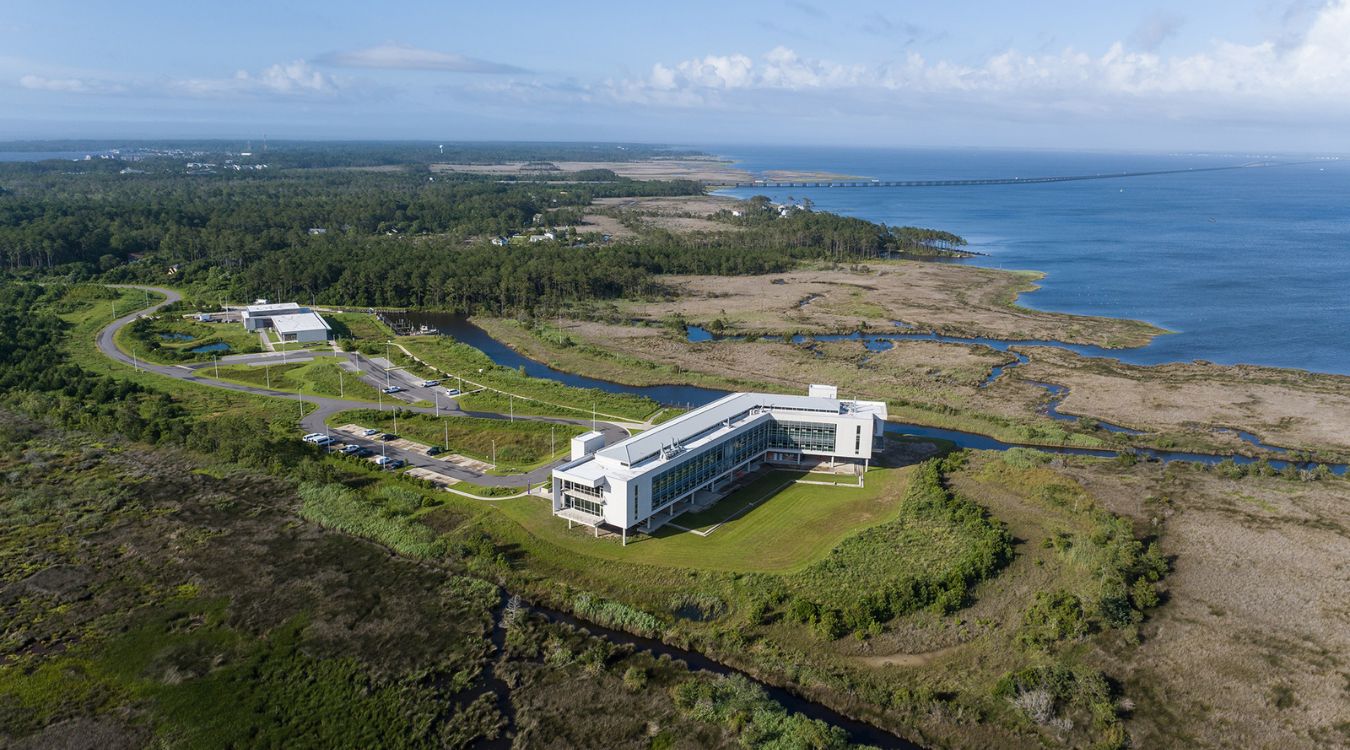
Have you ever wondered what makes North Carolina's coast so special? It's not just the beautiful beaches and charming towns. The coastal research centers here play a huge role in understanding and preserving these unique environments. These centers study everything from marine life to coastal erosion, helping to protect the natural beauty and resources of the area. Whether you're a science enthusiast or just curious about the ocean, learning about these research hubs can give you a deeper appreciation for the coast. Ready to dive into the secrets of North Carolina's coastal research centers? Let's get started!
Discovering North Carolina's Coastal Research Centers
North Carolina's coast is more than just beautiful beaches. It's home to some of the most fascinating research centers dedicated to marine science and coastal ecosystems. These centers offer a glimpse into the world of marine biology, oceanography, and environmental science. Let's dive into some of the most intriguing coastal research centers in North Carolina.
Marine Laboratories and Research Centers
These centers are at the forefront of marine research, offering insights into the mysteries of the ocean and its inhabitants.
Duke University Marine Lab Located on Pivers Island in Beaufort, this lab is part of Duke University. It focuses on marine conservation, oceanography, and marine biology. Researchers here study everything from coral reefs to marine mammals.
UNC Institute of Marine Sciences Situated in Morehead City, this institute is part of the University of North Carolina at Chapel Hill. It conducts research on coastal ecosystems, fisheries, and environmental health. The institute also plays a crucial role in hurricane and storm surge studies.
North Carolina State University Center for Marine Sciences and Technology (CMAST) Found in Morehead City, CMAST is dedicated to marine science research, education, and outreach. It focuses on sustainable fisheries, aquaculture, and marine biotechnology.
Coastal Reserves and Field Stations
These reserves and field stations provide unique opportunities for hands-on research and education in coastal environments.
Rachel Carson Reserve Located near Beaufort, this reserve is part of the North Carolina Coastal Reserve and National Estuarine Research Reserve system. It offers a natural laboratory for studying estuarine ecosystems, including salt marshes and tidal flats.
UNCW Center for Marine Science Based in Wilmington, this center is part of the University of North Carolina Wilmington. It supports research in marine biology, coastal ecology, and oceanography. The center also offers educational programs for students and the public.
Duke University Marine Lab's Marine Conservation Ecology Lab Also on Pivers Island, this lab focuses on marine conservation and the impacts of human activities on marine ecosystems. Researchers work on projects related to marine protected areas, fisheries management, and climate change.
Environmental and Coastal Studies
These centers are dedicated to understanding and protecting North Carolina's coastal environments through research and education.
East Carolina University Coastal Studies Institute Located in Wanchese, this institute is part of East Carolina University. It conducts research on coastal processes, marine ecosystems, and renewable energy. The institute also offers educational programs and outreach activities.
North Carolina Coastal Federation Based in Newport, this nonprofit organization focuses on protecting and restoring the state's coastal environment. It conducts research on water quality, habitat restoration, and sustainable development. The federation also engages in advocacy and public education.
North Carolina Sea Grant With offices in Raleigh and Morehead City, North Carolina Sea Grant is a partnership between the state and federal governments. It supports research, education, and outreach on coastal and marine issues. The program addresses topics such as coastal hazards, fisheries, and aquaculture.
Conclusion
North Carolina's coastal research centers are vital for understanding and protecting our marine and coastal environments. They offer valuable insights into the challenges facing our oceans and provide opportunities for education and outreach. Whether you're a student, researcher, or simply curious about marine science, these centers are worth exploring.
Embracing North Carolina's Coastal Research Centers
North Carolina's coastal research centers offer a unique blend of scientific discovery, natural beauty, and educational opportunities. These centers not only advance our understanding of marine ecosystems but also provide hands-on experiences for students, researchers, and visitors. From the Duke University Marine Lab to the UNC Institute of Marine Sciences, each center has its own specialties and contributions to marine science.
Visiting these centers can deepen your appreciation for the coastal environment and the efforts made to preserve it. Whether you're a student, a researcher, or just someone interested in marine life, these centers have something valuable to offer. Exploring them can be both educational and inspiring, making you more aware of the importance of marine conservation.
Plan a visit to one of these centers and see firsthand the incredible work being done to protect our oceans and coasts.