

Secrets Of North Carolina’s Coastal Engineering Research
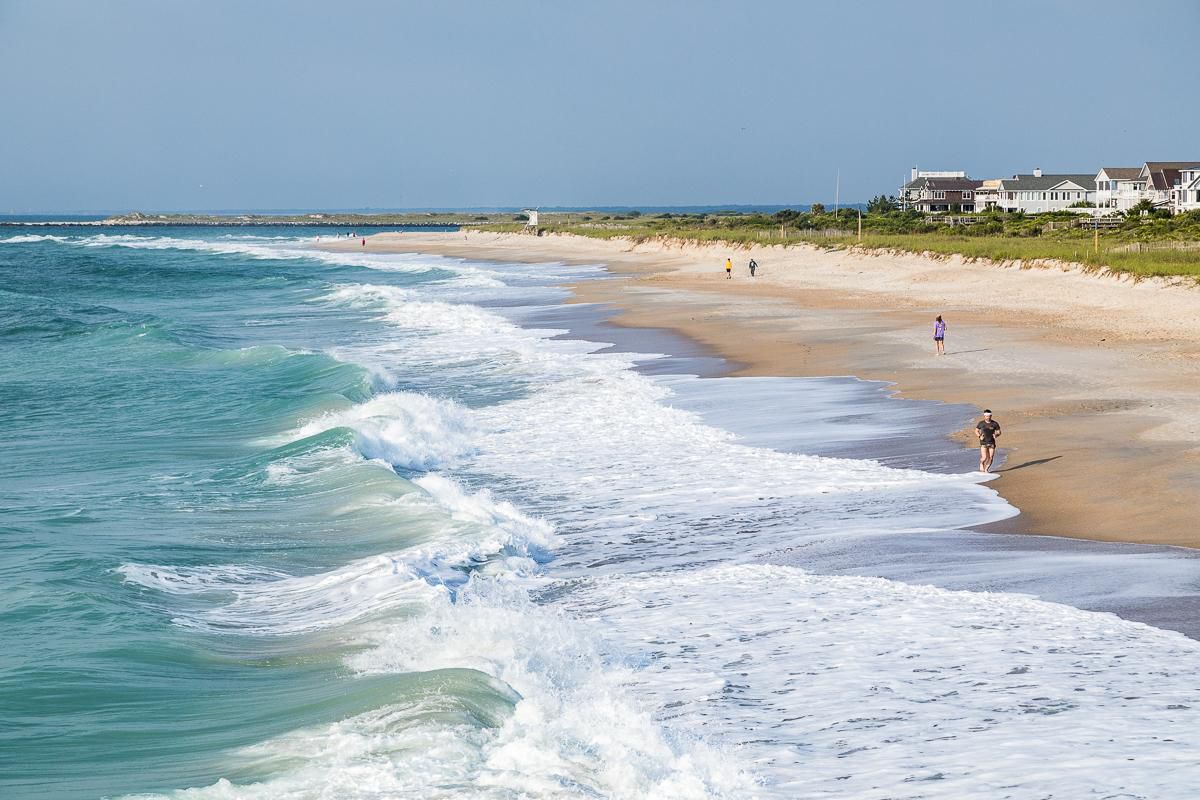
Have you ever wondered how North Carolina's coastal engineering research helps protect its beautiful beaches and coastal communities? This research plays a crucial role in understanding and managing the dynamic coastline. From studying erosion patterns to developing innovative solutions for shoreline stabilization, experts work tirelessly to ensure the safety and sustainability of these vital areas. By examining the impact of storms, sea-level rise, and human activities, they provide valuable insights that guide policy and decision-making. Whether you're a resident, a visitor, or just curious about coastal science, learning about these efforts can give you a deeper appreciation for the intricate balance between nature and human intervention.
Discovering North Carolina's Coastal Engineering Research
North Carolina's coast is a marvel of natural beauty and human ingenuity. The state's coastal engineering research has led to some fascinating places worth visiting. From innovative research centers to stunning natural sites, there's much to explore.
Research Centers Leading the Way
North Carolina is home to several research centers dedicated to coastal engineering. These places are at the forefront of studying and protecting the coastline.
UNC Coastal Studies Institute
Located in Wanchese, this institute focuses on coastal and marine science. Researchers here study everything from shoreline erosion to marine ecosystems. Visitors can tour the facility and learn about ongoing projects.Duke University Marine Lab
Situated on Pivers Island, this lab is part of Duke University. It offers programs in marine biology and coastal engineering. The lab's research helps protect coastal environments and develop sustainable practices.
Natural Sites Shaped by Engineering
The state's coastline features several natural sites that have been shaped or protected by engineering efforts. These places offer a glimpse into the practical applications of coastal research.
Jockey's Ridge State Park
Home to the tallest natural sand dune system in the eastern United States, this park showcases the power of wind and water. Coastal engineers study the dunes to understand sand movement and erosion.Cape Hatteras National Seashore
This national seashore is famous for its shifting sands and historic lighthouse. Coastal engineering projects here focus on protecting the shoreline and preserving the area's natural beauty.
Innovative Projects and Their Impact
Several innovative projects in North Carolina highlight the state's commitment to coastal engineering. These projects aim to protect the coastline and improve the quality of life for residents.
Living Shorelines Project
This project uses natural materials like plants and oyster shells to stabilize shorelines. It's a sustainable alternative to traditional seawalls and helps protect against erosion while supporting marine life.Beach Nourishment Programs
Many North Carolina beaches undergo regular nourishment to combat erosion. Sand is added to the beaches, helping to maintain their width and protect coastal properties.
Educational Opportunities and Public Outreach
Educational programs and public outreach efforts are crucial for raising awareness about coastal engineering. North Carolina offers several opportunities for learning and engagement.
North Carolina Aquarium at Pine Knoll Shores
This aquarium features exhibits on coastal habitats and the impact of human activity. Educational programs teach visitors about coastal engineering and conservation efforts.Jennette's Pier
Located in Nags Head, this pier is more than just a fishing spot. It serves as an educational center, offering programs on marine science and coastal engineering.
Future of Coastal Engineering in North Carolina
The future of coastal engineering in North Carolina looks promising. Ongoing research and innovative projects continue to protect and enhance the state's coastline.
North Carolina Sea Grant
This program supports research and education on coastal and marine issues. It funds projects that address coastal hazards, water quality, and sustainable development.Outer Banks Field Site
Operated by UNC-Chapel Hill, this field site offers hands-on learning experiences. Students and researchers study coastal processes and develop solutions to environmental challenges.
The Impact of Coastal Engineering in North Carolina
North Carolina's coastal engineering research has made a significant difference in protecting shorelines and communities. By studying erosion patterns, storm impacts, and sea-level rise, experts develop strategies to safeguard the coast. These efforts help maintain beaches, protect wildlife habitats, and support local economies reliant on tourism and fishing.
Innovative techniques like beach nourishment, seawalls, and living shorelines are just a few examples of how research translates into action. These methods not only defend against natural forces but also enhance the beauty and usability of coastal areas.
Understanding the importance of this research encourages continued support and investment. As climate change continues to affect coastal regions, the work done in North Carolina serves as a model for other areas facing similar challenges. The ongoing commitment to coastal engineering ensures a resilient and thriving coastline for future generations.
