

Secrets Of Coastal Erosion In North Carolina’s Outer Banks
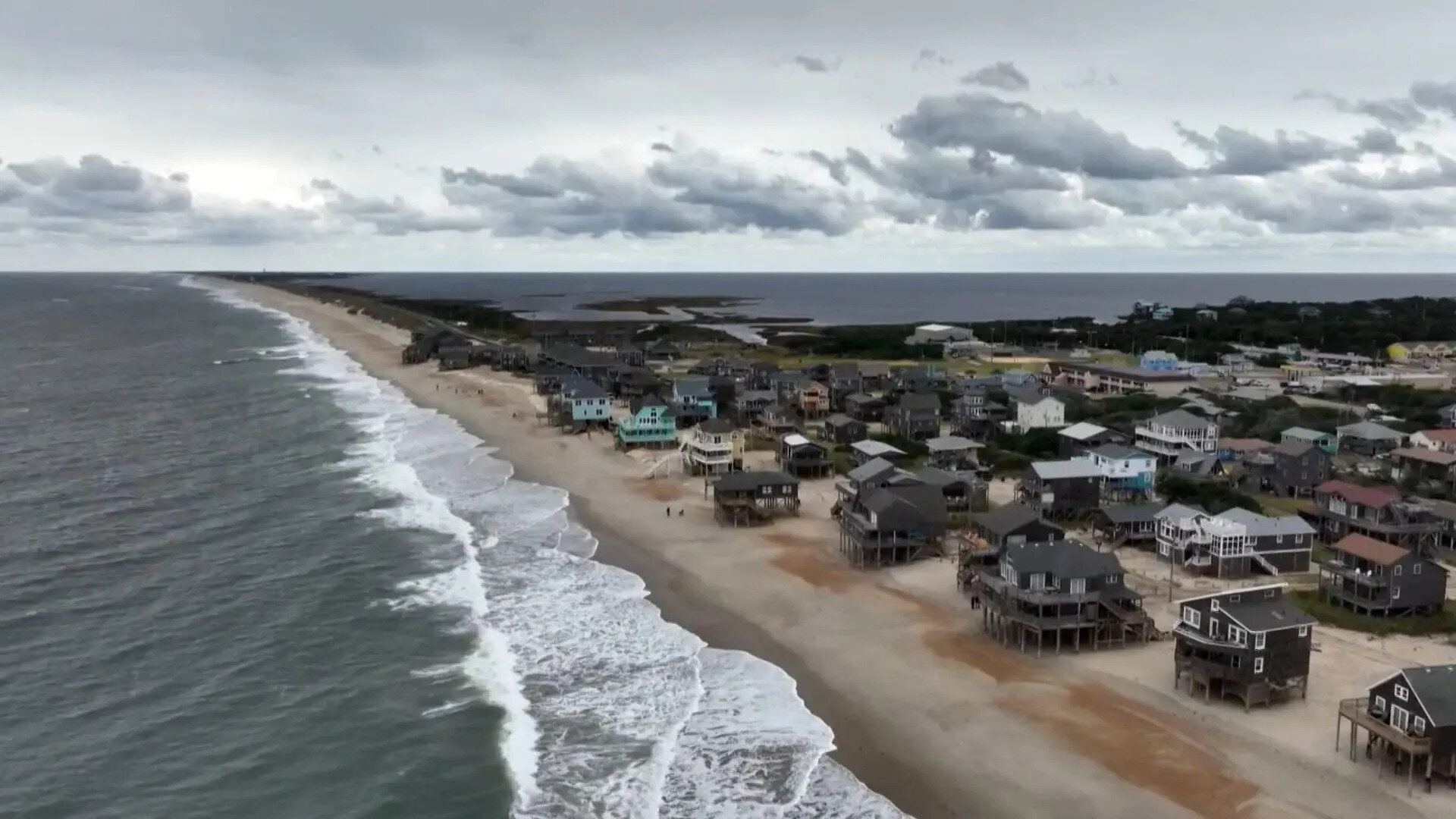
Have you ever wondered why the beaches in North Carolina's Outer Banks change shape so often? Coastal erosion plays a big role in this. Waves, wind, and storms constantly reshape the shoreline. This natural process can create dramatic changes over time. Some areas lose sand while others gain it. Human activities like construction and boat traffic can speed up erosion. Understanding coastal erosion helps us protect these beautiful beaches. In this post, we'll look at how erosion affects the Outer Banks, what causes it, and what can be done to manage it. Get ready to learn about the forces shaping these iconic shores.
Understanding Coastal Erosion
Coastal erosion is a natural process where wind, water, and other natural forces wear away the land. In North Carolina's Outer Banks, this phenomenon is particularly evident. The barrier islands are constantly shifting, creating a dynamic landscape that changes year by year. Let's explore some key spots where coastal erosion is most visible.
1. Cape Hatteras
Cape Hatteras is one of the most famous locations in the Outer Banks. Known for its iconic lighthouse, this area has experienced significant erosion over the years. The lighthouse itself had to be moved inland in 1999 to protect it from the encroaching sea. Visitors can see the dramatic effects of erosion on the beaches and dunes.
2. Pea Island National Wildlife Refuge
Pea Island is a haven for bird watchers and nature enthusiasts. However, it's also a prime example of coastal erosion. The refuge's beaches are constantly reshaped by the forces of wind and water. This ongoing erosion creates new habitats for wildlife but also poses challenges for conservation efforts.
3. Rodanthe
Rodanthe is a small village that has gained attention for its rapidly eroding shoreline. Homes and roads in this area are frequently threatened by the advancing ocean. The community has implemented various measures to combat erosion, but the battle against nature is ongoing. Visitors can witness the struggle firsthand and see how locals adapt to these changes.
4. Nags Head
Nags Head is a popular tourist destination with beautiful beaches and historic sites. However, it also faces significant erosion issues. The town has invested in beach nourishment projects to replenish sand and protect the shoreline. These efforts are visible along the coast, where new sand dunes and widened beaches stand as a testament to human intervention against natural forces.
5. Ocracoke Island
Ocracoke Island is a remote and charming spot in the Outer Banks. Its isolation makes it particularly vulnerable to erosion. The island's beaches are constantly shifting, and the narrow roads are often threatened by the encroaching sea. Visitors to Ocracoke can see the delicate balance between preserving the island's natural beauty and protecting its infrastructure.
6. Kitty Hawk
Kitty Hawk is famous for being the site of the Wright brothers' first flight. However, it's also a place where coastal erosion is evident. The beaches here have been eroding for decades, prompting efforts to stabilize the shoreline. Visitors can explore the historic sites while also observing the ongoing battle against erosion.
7. Duck
Duck is a quaint town known for its charming boardwalk and beautiful beaches. Coastal erosion has been a persistent issue here, leading to various beach nourishment projects. The town's efforts to combat erosion are visible along the shoreline, where new sand dunes and reinforced beaches help protect the area from the relentless forces of nature.
8. Hatteras Island
Hatteras Island is a long, narrow barrier island that faces constant erosion. The island's geography makes it particularly susceptible to the forces of wind and water. Visitors can see the effects of erosion on the beaches and dunes, as well as the efforts to protect the island's infrastructure. The dynamic landscape of Hatteras Island offers a unique perspective on the power of nature.
9. Avon
Avon is a small community on Hatteras Island that has experienced significant erosion. The beaches here are constantly changing, and the community has implemented various measures to combat the effects of erosion. Visitors can see the ongoing efforts to protect the shoreline and the challenges faced by the residents of Avon.
10. Buxton
Buxton is another village on Hatteras Island that has been heavily impacted by erosion. The famous Cape Hatteras Lighthouse, originally located in Buxton, had to be moved due to the encroaching sea. The beaches and dunes in Buxton are constantly shifting, providing a clear example of the power of coastal erosion.
Preserving the Outer Banks
Coastal erosion in North Carolina's Outer Banks is a pressing issue. The natural beauty and unique ecosystems face constant threats from rising sea levels and human activity. Understanding the causes and effects of erosion helps in taking steps to protect these shores.
Efforts like beach nourishment, dune restoration, and sustainable development are crucial. These measures not only safeguard the environment but also support local communities relying on tourism and fishing.
Everyone can contribute to preserving the Outer Banks. Simple actions like respecting natural habitats, reducing carbon footprints, and supporting conservation initiatives make a difference. By working together, we can ensure that future generations enjoy the stunning landscapes and rich history of this special place.
Protecting the Outer Banks requires ongoing commitment. Awareness and action today will help maintain this coastal treasure for years to come.
